If you searched 'PA grow grant requirements,' you're most likely looking for the requirements to become a licensed cannabis Grower-Processor in Pennsylvania, not a financial grant. There is a program called 'Grow PA' but it's a college scholarship administered by PHEAA, not a cannabis cultivation program. On the cannabis side, Pennsylvania runs a Grower-Processor permit program through the Pennsylvania Department of Health (DOH), Office of Medical Marijuana. That's the program this guide covers: what it takes to qualify, what documents you need, what your grow site must meet, and how to actually get through the application without getting denied. Some applicants also look into sap grow certification as part of their broader compliance and operations planning.
PA Grow Grant Requirements: Eligibility, Documents, and Steps

Wait, is 'Grow Grant' a license or a funding program?
This is worth clearing up before you spend any time on applications. 'Grow PA' is a scholarship and grant program run by the Pennsylvania Higher Education Assistance Agency (PHEAA), aimed at keeping Pennsylvania college students in the state after graduation. If you mean the Grow PA scholarship grant program instead of the cannabis permit, review the program requirements and eligibility on PHEAA’s site before applying. It has nothing to do with cannabis cultivation. If you're looking for that program, it has its own separate eligibility and application process.
In the cannabis context, what most people mean by 'grow grant' in Pennsylvania is the Grower-Processor permit issued by the DOH under the Medical Marijuana Act. There's no cultivation 'grant' in the sense of free money to grow cannabis. There is a permit you apply for, pay significant fees toward, and must continuously maintain. The rest of this guide is entirely about that permit.
What the Pennsylvania Grower-Processor permit actually is
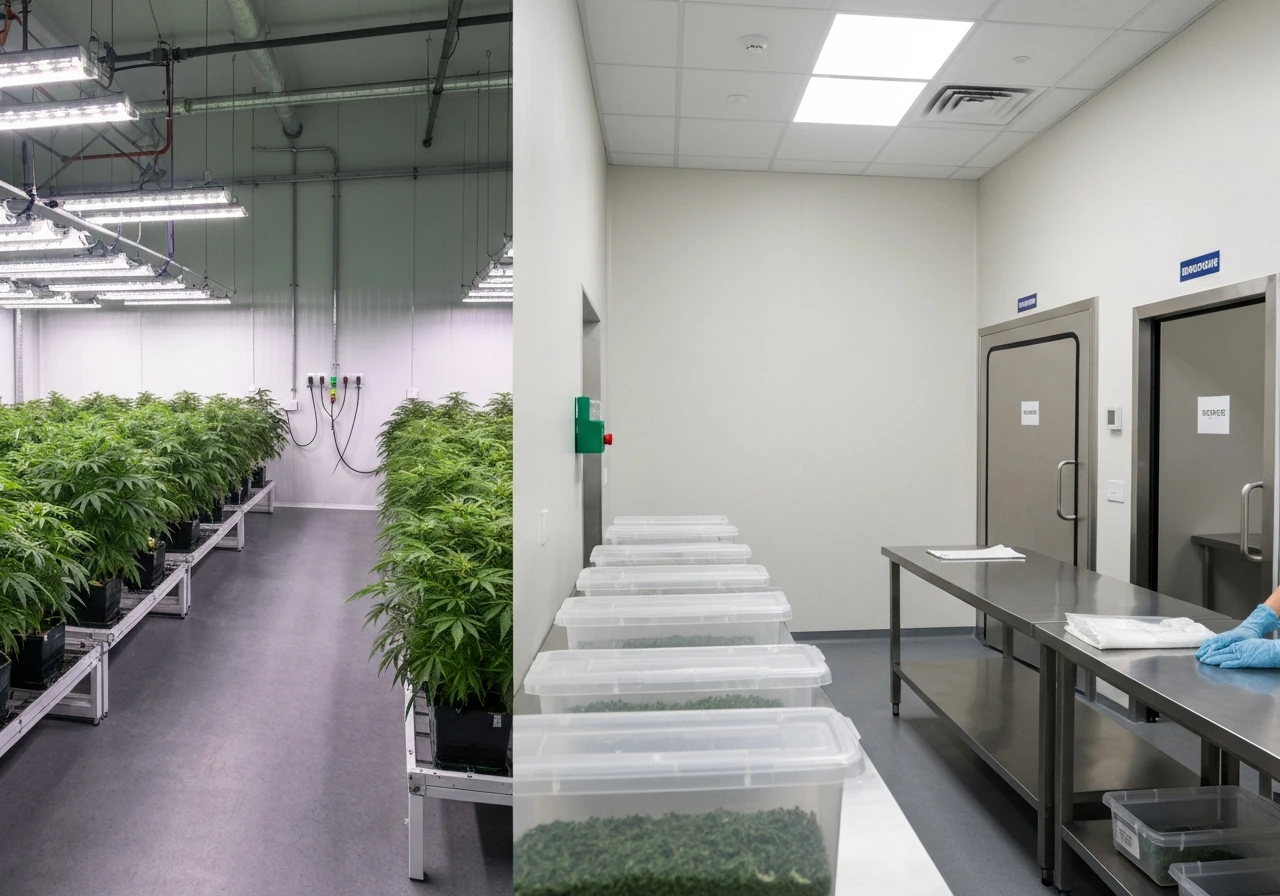
Pennsylvania's medical marijuana cultivation program is structured around a 'Grower-Processor' permit. This single permit covers both growing cannabis plants and processing them into finished medical marijuana products. You cannot legally cultivate medical marijuana in Pennsylvania without this permit, and you must register with the DOH before you start growing or processing anything.
The program has been rolled out in phases. Phase I and Phase II are the two main application periods DOH has run. As of now, DOH is not currently accepting applications for Phase II, which means new applicants are in a waiting position until DOH opens another application window. This is a real constraint you need to plan around. Timing matters here, and you can't jump the queue by submitting early.
Basic eligibility: who can apply
Before you even think about assembling documents, make sure you can clear the basic eligibility threshold. DOH's requirements aren't just about your business plan; they're about your personal and organizational background too.
- Age: Principals and key individuals connected to the permit application must be adults (18 or older).
- Residency and business formation: You must operate as a properly formed Pennsylvania business entity. A sole proprietorship operating informally won't cut it. You'll need a registered LLC, corporation, or similar structure with Pennsylvania documentation.
- Criminal background: DOH conducts background screening on principals. Certain criminal convictions, particularly drug-related felonies, can disqualify applicants or principals attached to the permit.
- Financial capacity: The fee structure alone (discussed below) signals that DOH expects applicants to demonstrate serious financial standing. You'll need to show you have the ability to fund operations, not just file paperwork.
- Municipality zoning compliance evidence: This is a non-negotiable eligibility prerequisite. DOH requires you to provide documented proof that your proposed grow site meets local zoning requirements before your application can move forward.
What goes into the application: the full document list
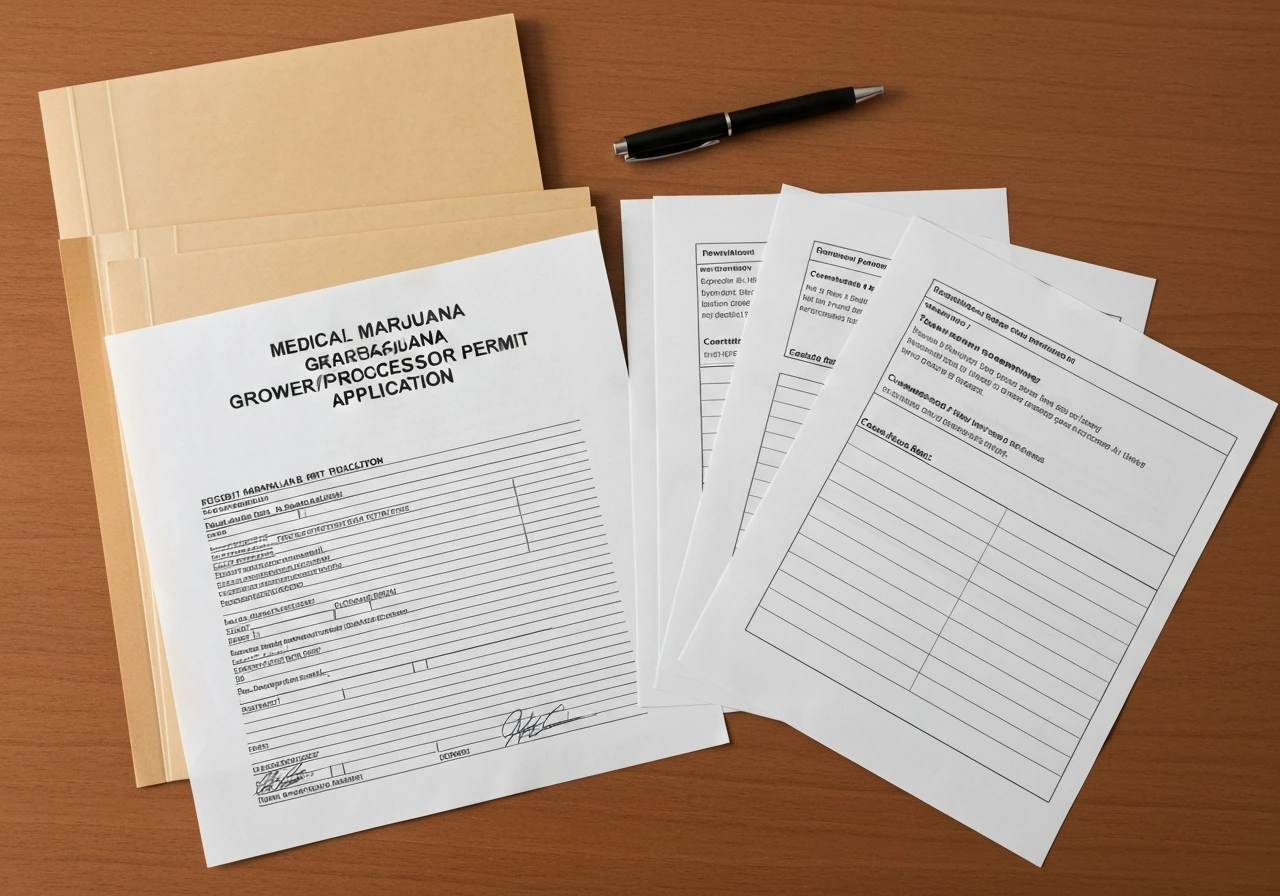
The primary application form is the Medical Marijuana Grower/Processor Permit Application (form GP-6012-17). DOH is clear that you need to follow the instructions on the form exactly for completion and submission. Incomplete or improperly formatted submissions are one of the most common reasons applications fail.
Beyond the form itself, 28 Pa. Code Section 1141a.29 sets out exactly what the initial permit application must contain. Here's what you're expected to submit:
- Completed DOH permit application form (GP-6012-17) with all sections filled out
- Government-issued photo ID for all principals and key personnel
- Proof of Pennsylvania business entity formation (articles of incorporation, operating agreement, etc.)
- Evidence of the right to use the proposed site and facility, meaning ownership documents or a signed lease/tenancy agreement covering the term of the permit
- Intended plan of operation describing how your proposed activities will comply with the Medical Marijuana Act and 28 Pa. Code Part IXa
- Site maps, floor plans, and photos of the proposed cultivation and processing facility
- Security and surveillance plan meeting DOH specifications (covered in detail below)
- Standard Operating Procedures (SOPs) for cultivation, processing, security, inventory, and waste disposal
- Municipality zoning compliance documentation issued by the local municipality confirming the site is properly zoned
- Evidence of financial capacity to fund startup and ongoing operations
- Application fee payment by certified check, cashier's check, or money order
The 'intended plan of operation' is not a one-paragraph summary. DOH expects this to be a substantive document that walks through how your operation will actually comply with state regulations. Treat it like a compliance roadmap, not a mission statement.
Grow site requirements: zoning, distance, and facility specs
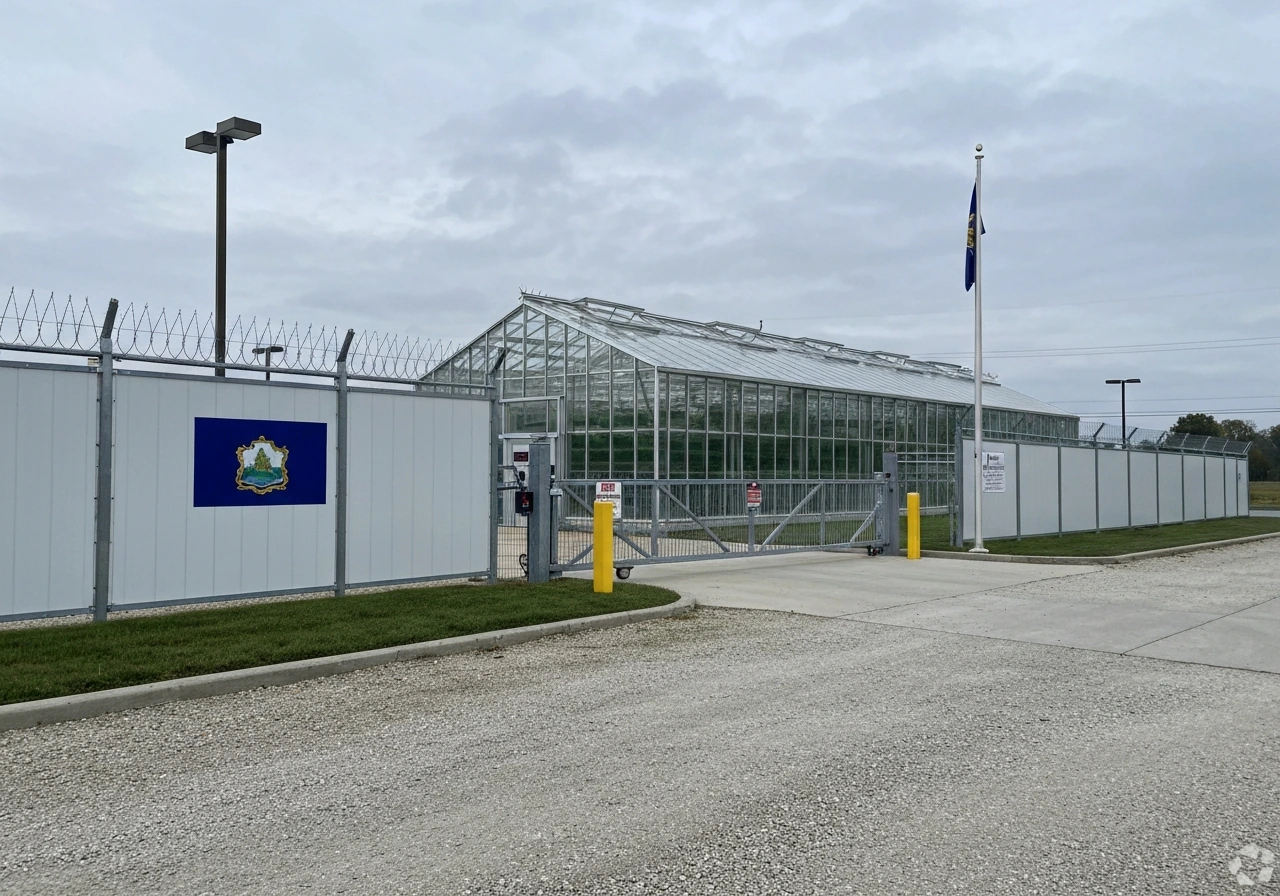
Your physical grow site is one of the biggest application variables, and it's the one most likely to trip up first-time applicants. Pennsylvania's regulations under 28 Pa. Code Section 1141a.49 are specific: your facility must meet the identical municipal zoning and land use requirements as other manufacturing, processing, and production facilities in the same zoning district. In other words, if industrial manufacturing requires a certain zoning classification, your cannabis grow facility needs to meet the same standard.
Distance rules and local setbacks vary by municipality. There's no single statewide distance rule that overrides local ordinances. You need to go directly to your local zoning office and get written confirmation that your specific address is compliant. DOH will ask for this documentation, and a verbal assurance from a zoning officer doesn't count.
- Obtain written zoning confirmation from your local municipality for the specific parcel you intend to use
- Confirm the zoning classification supports manufacturing or production-level operations
- Check for any local cannabis-specific overlay ordinances or moratoriums that could block approval even in properly zoned areas
- Have floor plans and site diagrams prepared showing cultivation areas, processing areas, security monitoring rooms, waste disposal areas, and entry/exit points
- Ensure the facility can support the infrastructure requirements for security (cameras, alarm systems, auxiliary power)
DOH reserves the right to conduct a physical inspection of your proposed site as part of the application review. If your facility doesn't match what you described in your application, or if inspectors find compliance gaps, that's grounds for denial. Don't submit a site you haven't fully evaluated.
Ongoing compliance: what you're committing to after approval

Getting the permit is only the beginning. Pennsylvania's regulations under 28 Pa. Code Chapter 1151a set out a continuous compliance framework that you're legally obligated to maintain. DOH also publishes a Grower/Processor Operational Checklist that maps these requirements to specific code sections. Download that checklist and use it as your internal audit tool from day one.
Security and surveillance
Under 28 Pa. Code Section 1151a.26, security requirements are detailed and non-negotiable. Your surveillance system must remain operational at all times, including after a power outage, which means auxiliary power backup is required. Access to security monitoring rooms must be restricted to authorized personnel only. Cameras must cover all areas where cannabis is grown, processed, stored, or disposed of.
Inventory and electronic tracking
Pennsylvania uses a seed-to-sale electronic tracking system. Under Sections 1151a.30 and 1151a.39, you must maintain accurate inventory data and use DOH's approved electronic tracking system to record all cannabis from the point it's planted through processing, sale, and disposal. Any discrepancy in inventory records is a compliance red flag during inspections.
Waste disposal
Section 1151a.40 covers cannabis waste management in detail. Medical marijuana waste must be managed in compliance with both Pennsylvania and federal hazardous waste requirements where applicable. You can't simply throw cannabis plant material in a dumpster. Your SOP needs to document exactly how waste is rendered unusable, how it's stored prior to disposal, and how disposal is tracked and documented.
Inspections
DOH can inspect your facility at any time to verify compliance with the Medical Marijuana Act, confirm site appropriateness, and check that your operations match what you described in your application. There's no guaranteed advance notice for every inspection. Build your compliance practices as if an inspector could walk in tomorrow, because they might.
Costs, timelines, and renewal obligations
| Item | Amount / Detail |
|---|---|
| Initial permit application fee | Set by 28 Pa. Code § 1141a.28 (paid by certified/cashier's check or money order) |
| Permit fee (Grower-Processor) | $200,000 (refundable if permit is not granted) |
| Renewal fee | Set by 28 Pa. Code § 1141a.28; renewals required on DOH's schedule |
| Application window | Not continuously open; DOH announces phases (Phase II currently closed) |
| Processing timeline | Varies by application phase; no guaranteed turnaround published |
| Renewal frequency | Permits must be renewed per DOH requirements; ongoing reporting required |
The $200,000 permit fee is refundable only if your permit is not granted, but the application fee is not. That's a significant financial commitment just to enter the process. Make sure your business entity and financing are fully in order before you submit. DOH is not going to chase you for missing documentation after the fact.
Timelines are phase-dependent. During active application windows, DOH processes applications through a review and inspection sequence before issuing a permit. There's no published turnaround guarantee. Plan for months, not weeks, from submission to decision. For renewal, permit holders must stay current with DOH's renewal schedule and maintain continuous compliance records to avoid issues at renewal time.
Where to apply and how to avoid getting denied
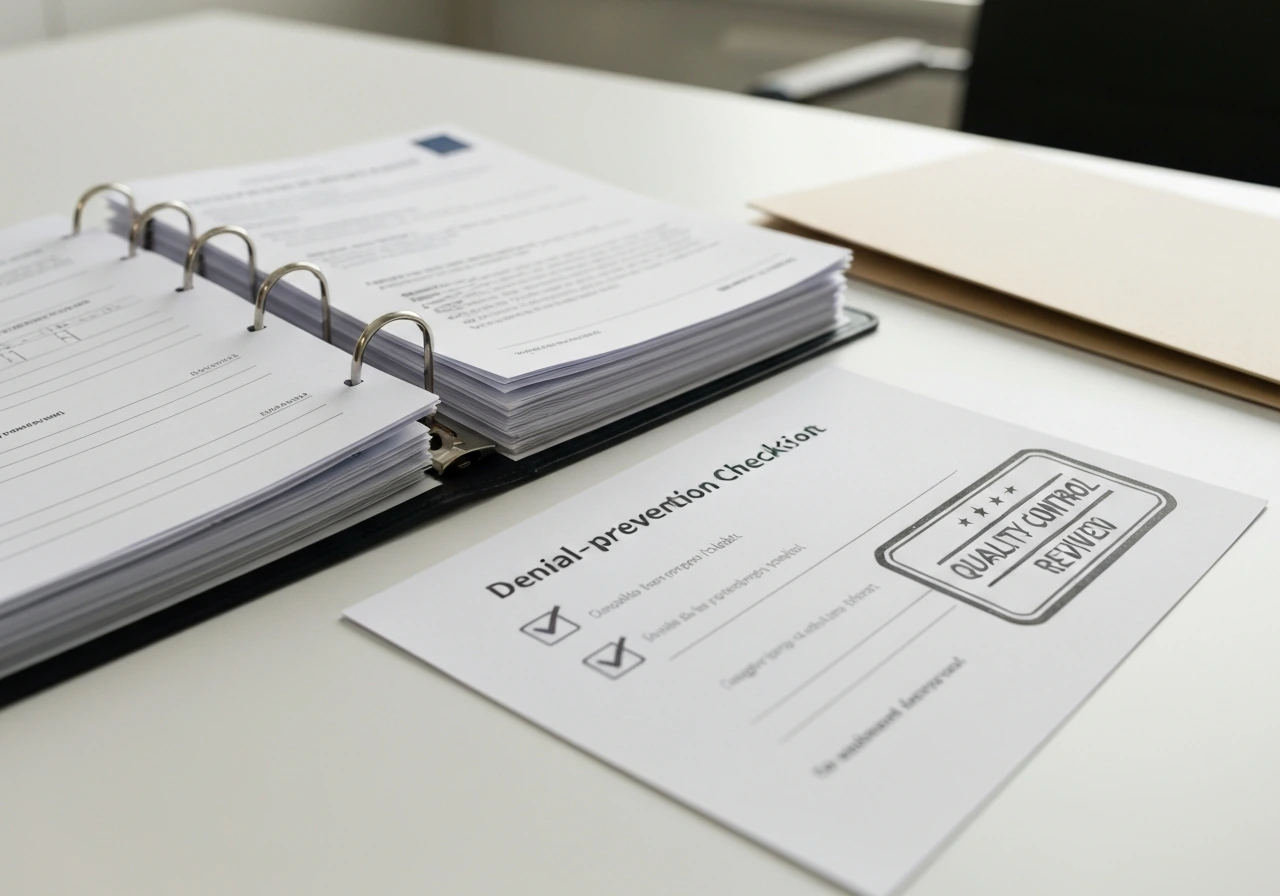
All applications go through the Pennsylvania Department of Health, Office of Medical Marijuana. The MMRTK system is DOH's internal tracking platform for grower and processor applications and permits. In the Grower-Processor registration workflow, knowing the current grow project permit requirements helps you plan your documents, timing, and compliance commitments grow project registration requirements. You submit through the process DOH specifies when an application window opens, not through a general online portal.
Since Phase II applications are currently closed, the most important thing you can do right now is monitor the DOH Medical Marijuana program page for announcements about new application windows. Don't try to submit outside of an open window.
Your preparation checklist (do this now)
- Confirm your Pennsylvania business entity is properly formed and registered with the state
- Run a background check on all principals before DOH does, so there are no surprises
- Identify your proposed grow site and get written zoning confirmation from the local municipality
- Verify the site's zoning classification meets the manufacturing/production standard under 28 Pa. Code § 1141a.49
- Secure documented site control: owned property deed or a signed lease for the permit period
- Develop your intended plan of operation as a full compliance document, not a summary
- Draft SOPs covering cultivation, processing, security, inventory, and waste disposal
- Design and document your security and surveillance system, including auxiliary power
- Prepare facility floor plans and site maps showing all key areas
- Confirm you have the $200,000 permit fee and application fee ready in the correct payment format
- Monitor the DOH Medical Marijuana program page for the next open application window
Common reasons applications get denied
- Missing or informal zoning documentation (verbal approvals don't count)
- Incomplete plan of operation that doesn't specifically address regulatory compliance
- SOPs that are vague or don't map to actual operations
- Site control documents that don't cover the full permit period or aren't signed
- Security plans that don't meet 28 Pa. Code § 1151a.26 specifications
- Background issues with principals that weren't disclosed upfront
- Incorrect fee payment format (DOH requires certified/cashier's check or money order, not personal checks)
- Submitting outside an open application window
- Floor plans that don't match the actual facility on inspection
One last thing: the DOH Grower/Processor Operational Checklist is publicly available and ties every major compliance requirement to a specific regulation. Pull that document and treat it as a companion to your application. If you can check off every item on that list before you submit, you're in a much stronger position than most first-time applicants.
This guide covers the regulatory framework as it exists today, but regulations and program availability can change. Always verify current requirements directly with the Pennsylvania Department of Health before submitting anything. This is regulatory information, not legal advice, and for complex ownership structures or compliance questions, consulting a Pennsylvania cannabis attorney is worth the investment.
FAQ
Is the Pennsylvania “Grow PA” scholarship the same thing as the cannabis grow permit requirements?
If you mean the PHEAA “Grow PA” scholarship, you cannot substitute it for the DOH Grower-Processor permit, and a scholarship does not provide authorization to cultivate or process cannabis. For cannabis operations you must be issued the permit and complete DOH registration before starting any grow or processing activity.
What happens if I try to apply for a phase when DOH says it is closed?
No, you generally cannot submit a new application while a phase is closed. A common mistake is trying to use an off-cycle submission method or sending materials outside the official window, which can delay you until the next opening or result in rejection for being out of process.
Can I get approved with only a verbal zoning confirmation instead of written proof?
If you cannot document zoning compliance in writing for your exact address, treat that as a blocker, not a detail to “fix later.” DOH asks for written confirmation, and a lack of written local approval can lead to denial even if your site otherwise looks compliant.
How strict is DOH about the proposed site matching my application materials?
A key planning point is that your application description must match the physical reality at the time of any inspection. If your final build-out, room layouts, security components, or operational areas differ from what you described, inspectors can flag inconsistencies and use them as denial grounds.
Do I just need cameras installed, or do I need to prove they keep working during outages?
Security must be resilient, not just “installed.” Because requirements include surveillance continuity during power loss, you should budget for auxiliary power backup and test how systems behave during outages, since failure of coverage or recording can create compliance findings.
What are the most common tracking mistakes that can cause compliance issues?
Yes. Since you must use DOH’s approved electronic tracking system for seed-to-sale, the risk is not only missing entries, it is inaccurate or inconsistent inventory reconciliation. Set internal procedures for receiving, planting, transfers, processing, sales, and waste adjustments before you apply.
What exactly should my cannabis waste SOP include to avoid problems during inspection?
Waste documentation is usually where new operators get tripped up. You should have written SOPs covering how waste is rendered unusable, where it sits before disposal, who handles it, and how disposal is logged, because inspectors can review records tied to waste streams.
Should I use the DOH operational checklist only before I submit, or also after I get the permit?
The operational checklist is meant to be used continuously, not only as a one-time preparation step. Many applicants fail because they prepare for initial review but do not maintain ongoing records, refresher training, or scheduled compliance activities tied to the checklist items.
What can I do to reduce the chance of denial due to an incomplete or improperly formatted application?
The permit application process is not a “submit once and wait” approach. If your materials are incomplete or improperly formatted, you can lose time and potentially fail review without a chance to cure. Before submission, do a line-by-line compliance check against the form instructions.
How should I plan timelines and vendor commitments if DOH does not guarantee a turnaround period?
DOH does not guarantee a turnaround time, so you should plan for a multi-month timeline and avoid making irreversible site or vendor commitments that assume a quick decision. If you are working with contractors, structure milestones so compliance changes tied to inspections or clarifications do not create sunk costs.
If my application is denied, is any of the money back, and what fees are not refundable?
The fees are not symmetric. Even if the $200,000 permit fee may be refundable when a permit is not granted, the application fee is not, so you should confirm your budget, document strategy, and financing before filing.
What should I pay attention to for renewals to avoid delays or renewal issues?
Yes, you should verify renewal timing and maintain continuous compliance records because renewal is where gaps can surface. A common mistake is relaxing documentation once initial approval is obtained, then discovering that missing or inconsistent records create renewal problems.
If I have other compliance certifications, do they help with meeting DOH grower-processor requirements?
If you are considering certifications like “sap grow certification,” treat them as potentially helpful for internal operations, but not as a substitute for DOH permit conditions and DOH compliance requirements. Use any external certification only to support how you will meet DOH rules in practice.
Grow Project PSFU Registration Requirements: Step-by-Step
Step-by-step grow project PSFU registration requirements, eligibility, document checklist, application steps, fees and r