There is no official US cannabis cultivation credential called 'SAP grow certification' or 'grow with SAP certification.' If you searched that phrase hoping to find a required training module or license for cannabis growing, you are likely conflating two unrelated things: SAP's business software program (called GROW with SAP) and the state-administered cannabis cultivation licensing process. What you actually need to grow cannabis legally, whether at home or commercially, is a cultivation license issued by your state or local cannabis regulator, not any SAP-branded certificate.
SAP Grow Certification in the US: Step-by-Step Guide

Marcus Whitley
26 Apr 2026
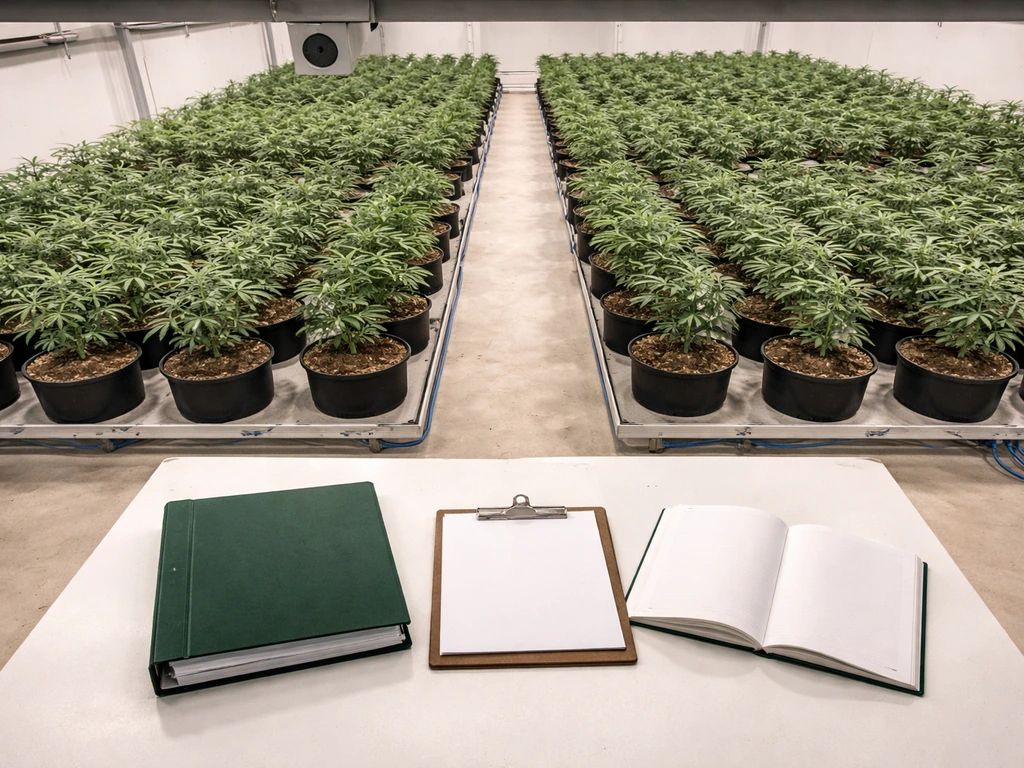
What 'SAP grow certification' actually means in cannabis licensing
GROW with SAP is an ERP (enterprise resource planning) software offering from SAP SE, a German tech company. It is aimed at scaling businesses that want cloud-based business management tools. SAP itself describes the program as providing technology, services, and support for scaleups, with implementation timeframes of four to six weeks. SAP describes SAP GROW Fast as a fixed-scope, best-practice, partner-delivered implementation model designed to help organizations go live in weeks for core ERP processes. It has nothing to do with plant canopy limits, cannabis compliance, or state regulators.
The confusion probably comes from cannabis businesses using SAP software to manage their operations, inventory, or compliance tracking. Some cannabis companies do run GROW with SAP as their back-office ERP, and people working at those companies sometimes ask about getting certified on the platform. But that internal software training is entirely separate from your cultivation license. No US state cannabis regulator requires 'SAP certification' as part of a grow license application.
What IS required in every legal cannabis cultivation jurisdiction is a state or local cultivation license. These are issued by agencies like California's Department of Cannabis Control (DCC), Colorado's Marijuana Enforcement Division, or Michigan's Cannabis Regulatory Agency, depending on where you are. Those are the credentials you actually need.
Where cannabis grow certification (licensing) is actually required
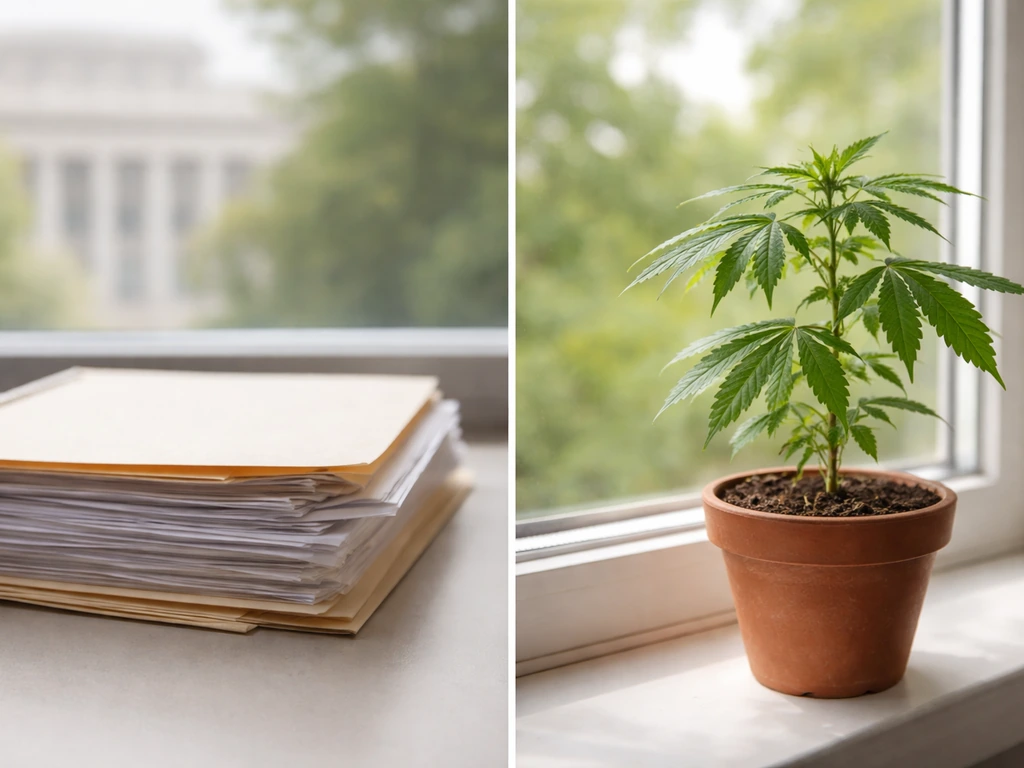
Whether you need a cultivation license depends on whether you are growing commercially or at home, and which state you live in. Here is a general breakdown of how the landscape looks as of April 2026:
| Situation | License Required? | Who Issues It |
|---|---|---|
| Commercial cultivation (any state with adult-use or medical cannabis) | Yes, always | State cannabis regulatory agency |
| Home grow in adult-use legal state (e.g., California, Colorado, Michigan) | No license required, but plant limits apply | State law sets limits; no application needed |
| Home grow in medical-only state (e.g., some Southern states) | Varies; some require a patient caregiver permit | State health or cannabis department |
| Home grow in fully illegal state | Not permitted under state law | N/A |
| Craft/microbusiness cultivation | Yes, a specific license tier | State cannabis regulatory agency |
California is a good example of how commercial cultivation licensing works. The DCC issues multiple cultivation license types tiered by production type (indoor, outdoor, mixed-light), lighting method, and canopy size. California's Department of Cannabis Control publishes cultivation license fees that vary by production type and lighting method, with tiered examples including specific dollar amounts cultivation license types tiered by production type. You must hold a valid DCC license before performing any commercial cannabis cultivation activity. There is no SAP component to that process whatsoever.
The practical first step is to identify your state's cannabis regulatory authority and look up whether your situation (home grow vs. commercial, plant count, canopy size) triggers a licensing requirement at all. Many states publish searchable license lookup tools on their official sites.
Eligibility and prerequisites: who can apply and when
Eligibility requirements vary by state, but most commercial cultivation licenses share a common baseline. You generally need to meet all of the following before submitting an application: Eligibility requirements vary by state, but most commercial cultivation licenses share a common baseline before you submit an application.
- Be at least 21 years old (18 in some medical states)
- Be a legal US resident or have an eligible business entity registered in the state
- Have no disqualifying criminal convictions (rules vary widely by state; some states have cannabis conviction expungement protections)
- Have a proposed cultivation site that complies with local zoning laws (commercial applicants)
- Have proof of legal property access for the grow site, either ownership or a signed lease
- Meet any local jurisdiction approval requirements, since many states require local sign-off before a state license is issued
Some states also have social equity provisions that either create priority application windows or reduce fees for applicants from communities disproportionately impacted by cannabis enforcement. If that applies to you, it is worth checking before you apply, since social equity tiers sometimes open earlier than general applications.
For home growers in legal states, eligibility is typically automatic if you are 21 or older and comply with plant limits (often 3 to 6 plants per adult, up to a household cap of 6 to 12 plants depending on the state). No application is filed.
Application process: steps, forms, fees, and timelines
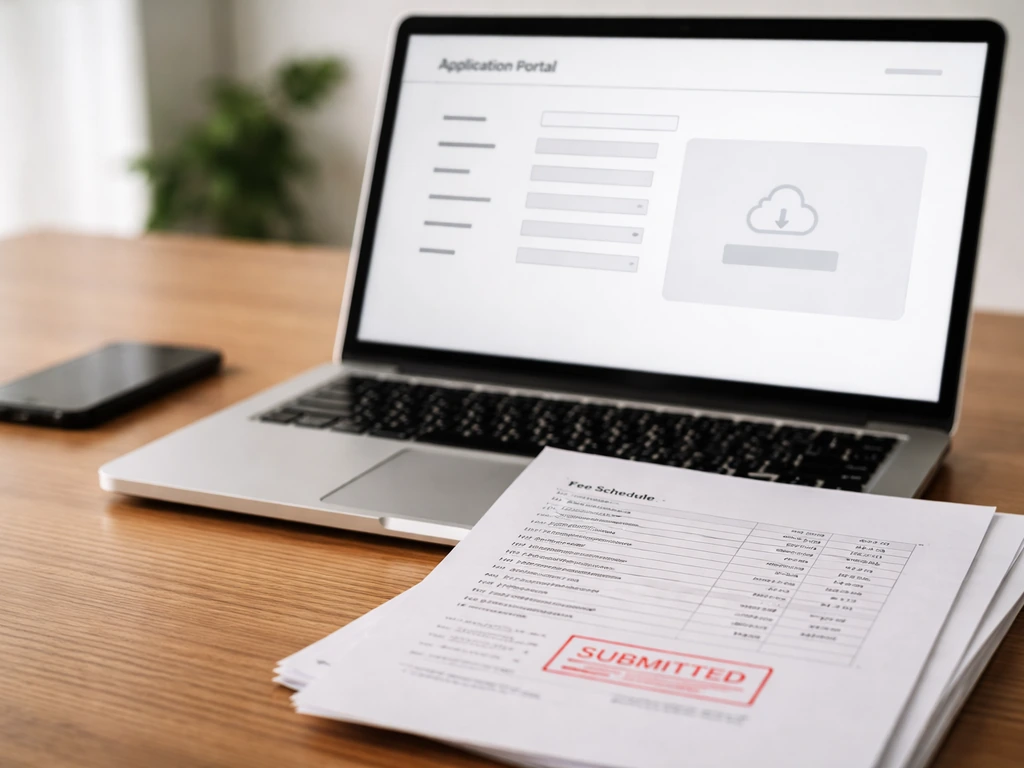
The commercial cultivation license application process follows a similar structure in most states, even though the forms and fees differ. Here is the general flow:
- Secure local approval first. Most states require a letter of approval or non-objection from your city or county before the state will process your application. This step alone can take weeks to months depending on your municipality.
- Register your business entity with the state (LLC, corporation, or sole proprietor depending on what your state allows) and obtain an EIN from the IRS if required.
- Create an account on your state's online licensing portal (California uses the DCC's online system; other states have their own platforms).
- Complete all required application sections, including owner/officer background disclosures, premises diagrams or site plans, security plans, and operating procedures.
- Submit supporting documents such as proof of premises (lease or deed), government-issued ID for all owners/officers, financial disclosures, and any required labor or environmental compliance documents.
- Pay the application fee. Fees range from a few hundred dollars for small cultivation licenses to several thousand for larger operations. Some states charge a separate annual license fee on top of the application fee.
- Undergo a background check. This is typically run by the state regulator or a designated agency after your application is submitted.
- Wait for review. Processing times vary from 30 days to over 6 months depending on your state and its current application backlog.
- Respond to any deficiency notices. Regulators often request additional documentation or corrections before approving. Respond promptly to avoid delays.
- Receive your license and post it at your cultivation site before beginning any activity.
Some states run merit-based or lottery-based licensing windows instead of continuous applications. If your state uses a lottery or limited license cap, you may need to watch for application windows to open. Check your state regulator's website regularly or sign up for email alerts.
What you can do once you have your cultivation license
Your cultivation license authorizes specific activities and nothing more. Operating within those boundaries is essential for maintaining compliance. Generally, a cultivation license allows you to:
- Cultivate cannabis plants up to the canopy or plant limit specified in your license tier
- Harvest, trim, and package cannabis at your licensed premises
- Transfer cannabis to licensed distributors, processors, or retailers (depending on your state's supply chain rules)
- Employ workers at the cultivation site, subject to any labor requirement rules in your state
A cultivation license does NOT automatically allow you to sell cannabis directly to consumers, process cannabis into concentrates, or operate a dispensary. Those activities each require their own license types. If you want to do more than cultivate, you need additional or different license categories.
You will also need to report your cannabis inventory through your state's seed-to-sale tracking system. Most states use platforms like Metrc or BioTrackTHC. Every plant, harvest batch, and transfer gets logged. This is non-negotiable compliance, and failing to maintain it is one of the fastest ways to get your license suspended.
Maintaining and renewing your cultivation license
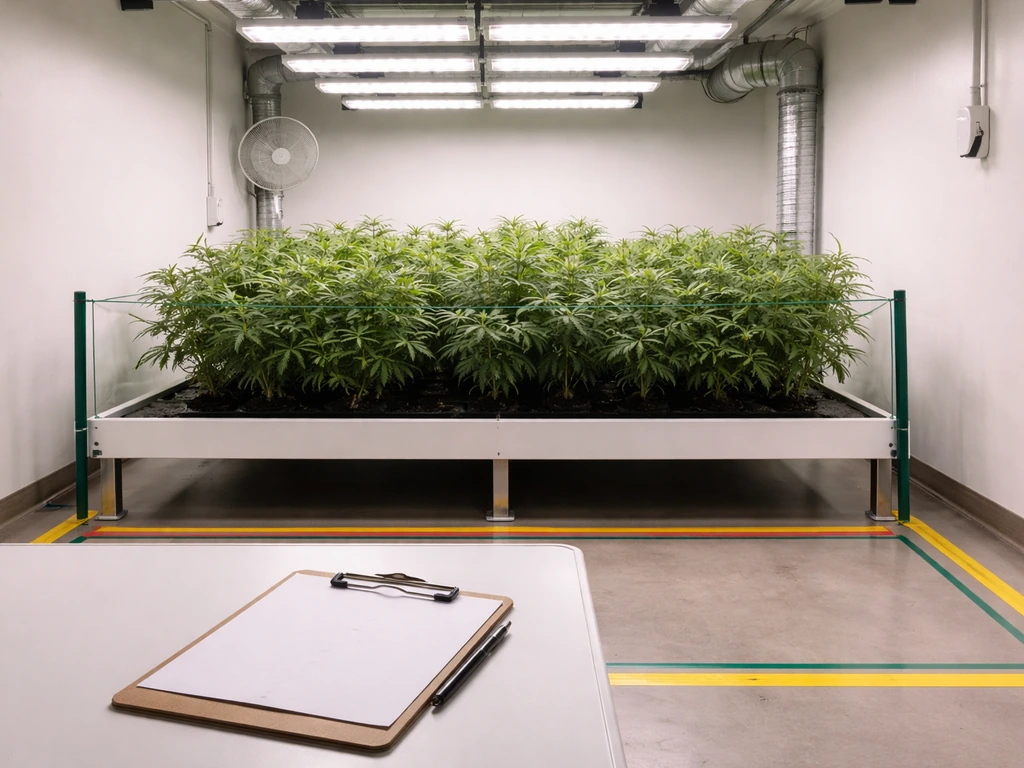
Cannabis cultivation licenses are not permanent. They require annual renewal in most states, and staying compliant throughout the year is what makes renewal straightforward.
Ongoing compliance basics
- Keep your seed-to-sale tracking current and accurate at all times
- Maintain required security measures (cameras, access controls, visitor logs) as specified in your original license application
- Pass any announced or unannounced inspections by your state regulator
- Report any changes to your ownership structure, premises, or operations to the regulator before making changes, not after
- Renew any required local permits or approvals on the same timeline as your state license
Records you must keep
Most states require cultivators to retain records for a minimum of 2 to 7 years. The specific records typically include:
- All inventory and tracking system logs
- Employee records and access logs
- Pesticide application records (including product name, application date, and target pest)
- Water usage records in some jurisdictions (California, for instance, has specific cannabis water rights requirements)
- Sales and transfer records for all cannabis leaving the premises
- Security footage, often with a rolling minimum retention window of 30 to 90 days
Renewal process
Renewal typically opens 60 to 90 days before your license expiration date. You will log into your state licensing portal, confirm that your business information is still accurate, pay the renewal fee (which is usually similar to or higher than the initial fee), and submit any updated documentation requested. Missing the renewal window can result in a lapse in licensure, meaning you have to stop all cultivation activity until the license is reinstated.
Common mistakes, denial reasons, and what to do if licensing isn't required in your situation
Why applications get denied or delayed
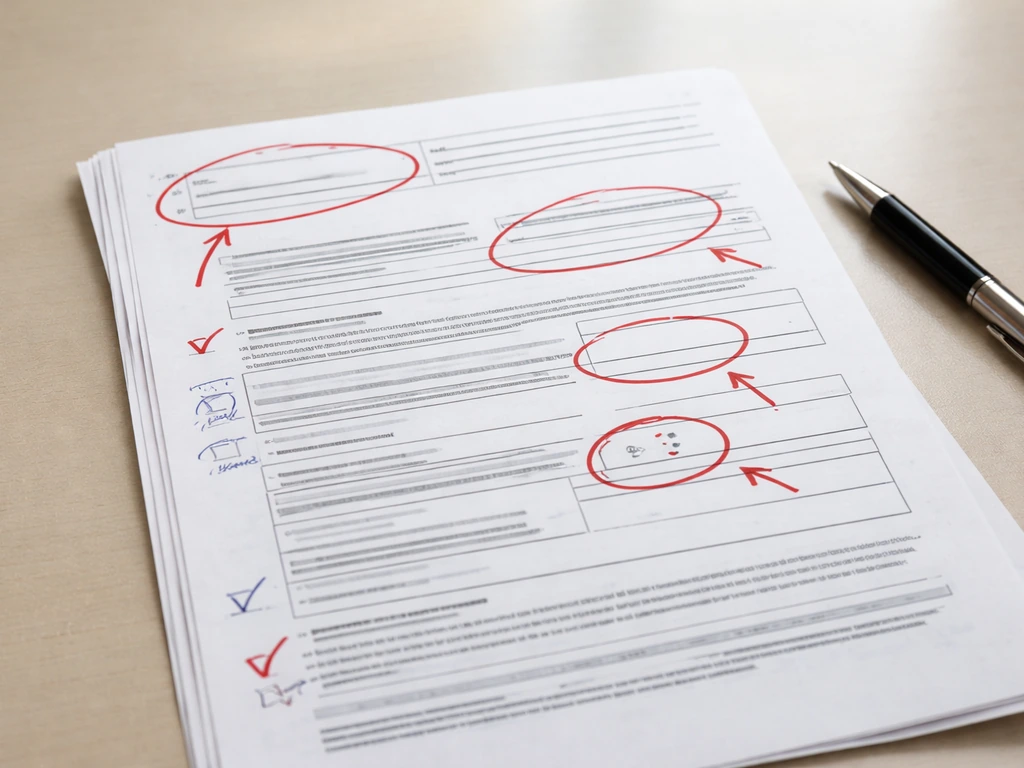
- Incomplete applications: missing forms, unsigned sections, or skipped disclosures are the most common cause of delays
- Local zoning issues: applying for a state license before confirming your site is zoned for cannabis cultivation
- Background check disqualifiers: undisclosed criminal history often triggers denial rather than the conviction itself
- Premises problems: lease agreements that do not explicitly permit cannabis use, or sites too close to schools, parks, or other restricted zones
- Inconsistent documentation: discrepancies between your business registration, ownership disclosures, and financial documents
- Failing to update the regulator about ownership changes during the application review period
If you get denied
Most state regulators provide a written denial reason and an opportunity to appeal or correct and reapply. Read the denial letter carefully. If the issue is fixable (a missing document, a zoning problem that can be resolved), you can often reapply once you have corrected it. If the denial involves a background check issue, some states offer a hearing or appeal process before the denial becomes final.
If licensing isn't required in your jurisdiction
If you are a home grower in a state that allows personal cultivation without a license (such as California, Colorado, or Michigan for adults), you simply need to stay within the plant limits set by state law and comply with any local ordinances. Some cities in legal states have banned home cultivation even when state law permits it, so check your city or county rules specifically.
If you are a commercial operator in a state that does not yet have an active licensing program (some states have legalized but have not opened commercial licenses yet), your only option is to wait for the program to launch and monitor your state regulator's announcements.
A note on related programs you may have seen
If you came across this topic while researching Pennsylvania-specific cannabis or agriculture programs, it is worth knowing that Pennsylvania has separate grant and scholarship programs tied to cultivation and agriculture support, including programs with 'grow' in their names. To understand the grow pa scholarship grant program requirements, review the eligibility rules and deadlines for the specific program name you are considering <a data-article-id="42E31777-4730-4A51-AC32-C42E95CCC803">Pennsylvania has separate grant and scholarship programs tied to cultivation and agriculture support, including programs with 'grow' in their names. </a> Those are distinct from any SAP software certification and have their own eligibility rules and application requirements that are worth looking into separately if you are based in Pennsylvania.
FAQ
Is “sap grow certification” required to legally grow cannabis in the US?
No. In the US, a “SAP grow certification” would not replace, substitute for, or satisfy a state cultivation license requirement. What matters for legality is the cultivation license issued by your state or local regulator (and any local permits), even if your business uses SAP software internally for inventory or compliance tracking.
If my employer uses SAP (GROW with SAP), does that certification help me get a grow license?
Even if you work at a cannabis company that uses GROW with SAP, that training is typically vendor or employer-specific (onboarding, system configuration, reporting). It does not get you authorized to cultivate, transfer, or possess cannabis under your state license category.
How can I tell whether a “sap grow certification” result is real licensing or just training?
Search results can be misleading because they mix “SAP GROW” (software branding) with cannabis “grow” programs. A quick check is whether the certification is offered by your state regulator or tied to license applications. If it is not, treat it as unrelated training.
Do I still need a cultivation license if I plan to start small or grow only a limited number of plants commercially?
Usually, yes. If you want to cultivate commercially, most states require a cultivation license even if you only do small-scale production. The deciding factor is whether your activity is classified as commercial (including producing for sale) and what thresholds your state uses for plant counts, canopy, or business intent.
What are common mistakes home growers make regarding local rules and plant limits?
In many states, home cultivation authorization is separate from commercial licensing, and local rules can be stricter than state rules. Common pitfalls include violating city or county bans, exceeding household limits, or growing in an area that is not compliant with local safety and access requirements.
Can my cultivation license let me sell to customers or process cannabis too?
Your cultivation license typically authorizes specific actions, and other roles or activities often require different license types. For example, selling directly to consumers, processing into concentrates, and operating a dispensary are usually separate permissions that come from different license categories.
Do I automatically get to move product to dispensaries or customers under my cultivation license?
No direct-sale approval is included by default. States generally require separate licensing (or separate authorization) for retail sales and for manufacturing or processing activities. Even if you grow, you generally cannot bypass the required distribution and tracking steps.
What happens if I miss some inventory reporting in my state tracking system?
Most states require seed-to-sale tracking and mandate that events like planting, harvest, transfers, and destruction are recorded in the required system (often Metrc or BioTrackTHC). If you do not log accurately and on time, regulators can treat it as noncompliance even when your physical cultivation is permitted.
What are the most common reasons licenses get delayed at renewal?
Renewal is often tied to ongoing compliance and continued eligibility, not just paying a fee. Common causes of trouble include missing renewal documentation, failing background checks tied to ownership, unresolved local zoning issues, or not maintaining required records.
If my cultivation application is denied, can I correct the problem and reapply?
Denial letters usually include a specific reason and an opportunity to correct or appeal, but deadlines vary by state. If the denial involves fixable items (like a missing document or a zoning discrepancy you can remedy), corrected reapplication is sometimes possible depending on the regulator’s rules.
If home growing is allowed, do I still need to apply anywhere?
Home growers generally do not file a cultivation application in states that allow adult-use home grow, but you still must follow plant caps and any city or county ordinances. In other places, home cultivation may be restricted or require authorization that is not a “license application” in the same way commercial permits are.
What should I do if my state legalized cannabis but has not opened commercial cultivation licenses yet?
If your state has legalized cannabis but commercial licensing is not yet active, you cannot legally operate as a commercial cultivator. The practical step is to monitor your state regulator’s announcements for when application windows open and then align your business setup to whatever requirements they publish at that time.
How long do I need to keep cultivation and compliance records?
Many states require record retention for multiple years (often 2 to 7) and expect you to be able to produce those records during audits. A practical tip is to keep both the operational records (like batch or harvest details) and the system audit trail from your seed-to-sale platform.
Could “grow” programs in Pennsylvania be confused with licensing or SAP certification?
Yes, the keyword “grow” can overlap unrelated programs, especially in Pennsylvania where there are agriculture or scholarship or grant programs that may include “grow” in their titles. Those are separate from SAP software certification and separate from any cultivation licensing pathway, so you should verify whether a program is a funding opportunity versus a legal authorization.
Next Article
Grow PA Scholarship Grant Program Requirements Checklist
Checklist for Grow PA scholarship grant requirements: eligibility, documents, application steps, deadlines, and common d