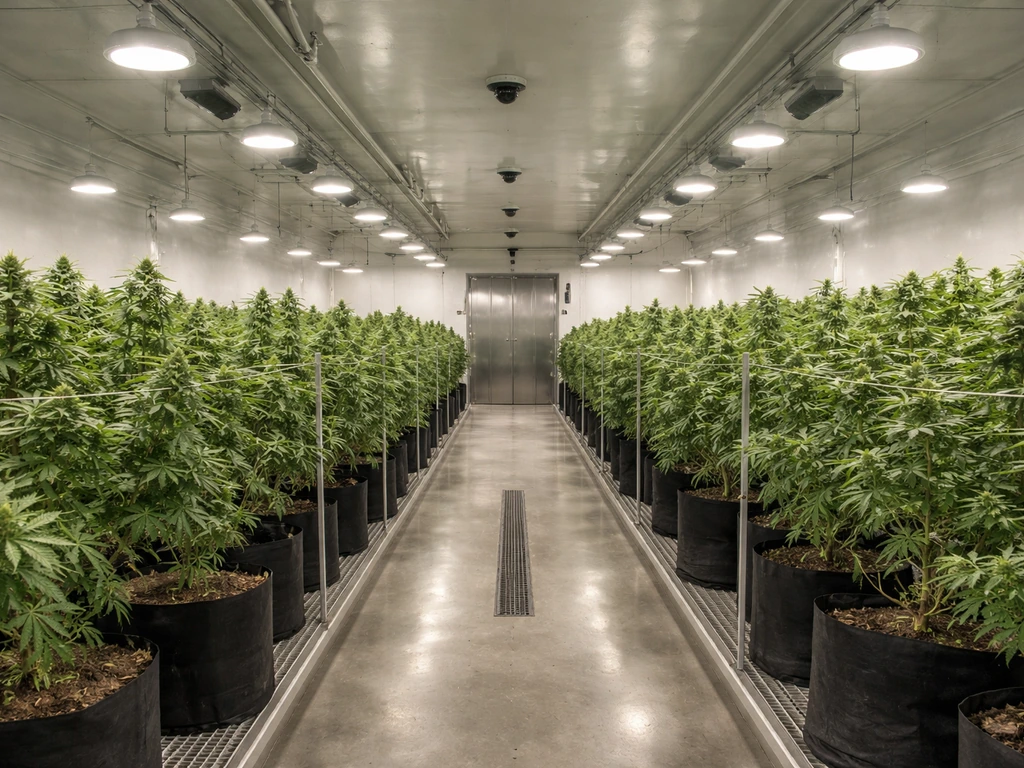
As of May 6, 2026, home cannabis cultivation is not legal in New Jersey. Full stop. The NJ Cannabis Regulatory Commission (NJ-CRC) has confirmed in its official guidance that current state law does not give it authority to authorize private, residential, or any growing of cannabis outside of a licensed cultivation business. This applies to both recreational adult-use consumers and registered medicinal cannabis patients. If you plant a cannabis seed in your home or backyard right now, you are doing so outside the law.
NJ Home Grow Law Guide: Legality, Limits, and Licensing Steps

Marcus Whitley
6 May 2026
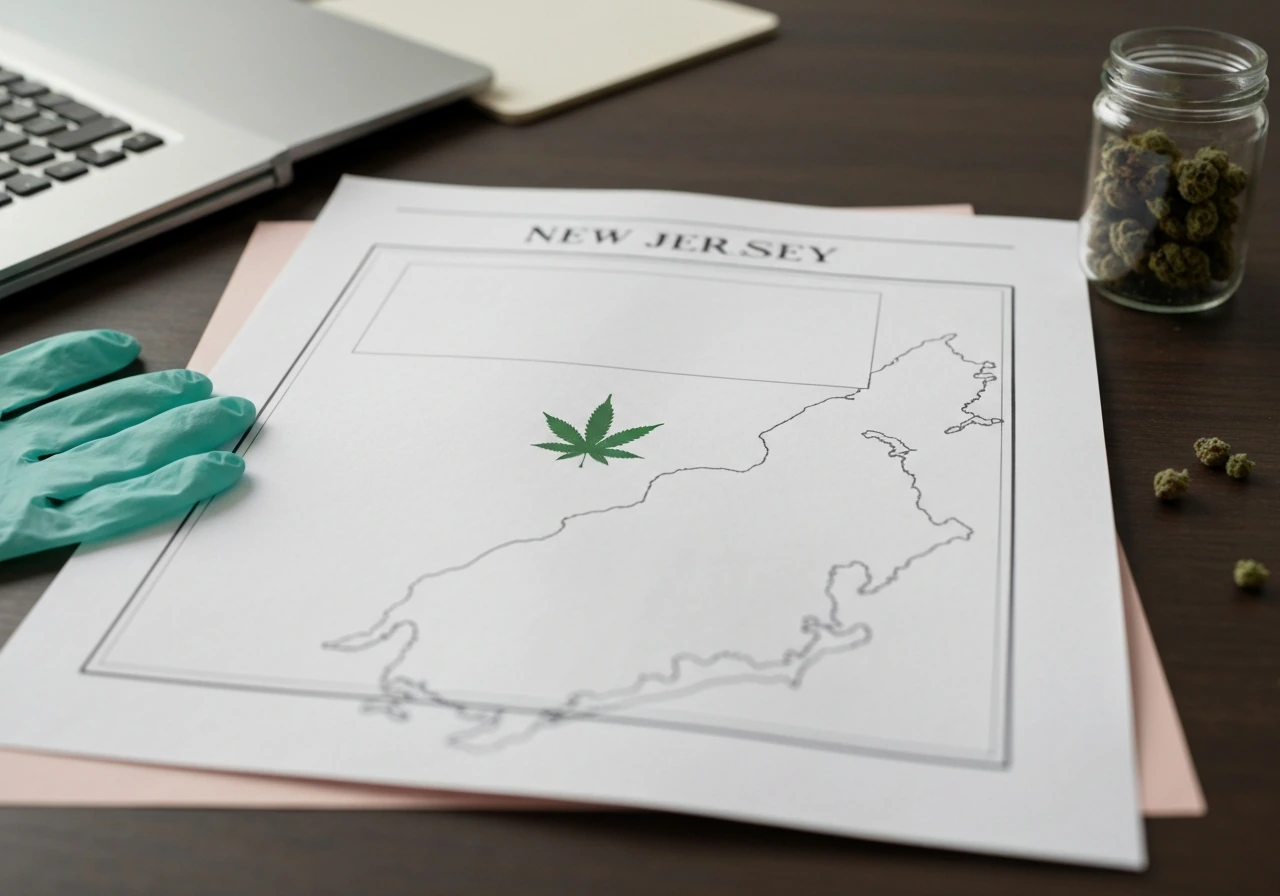
So, is home growing actually legal in NJ right now?
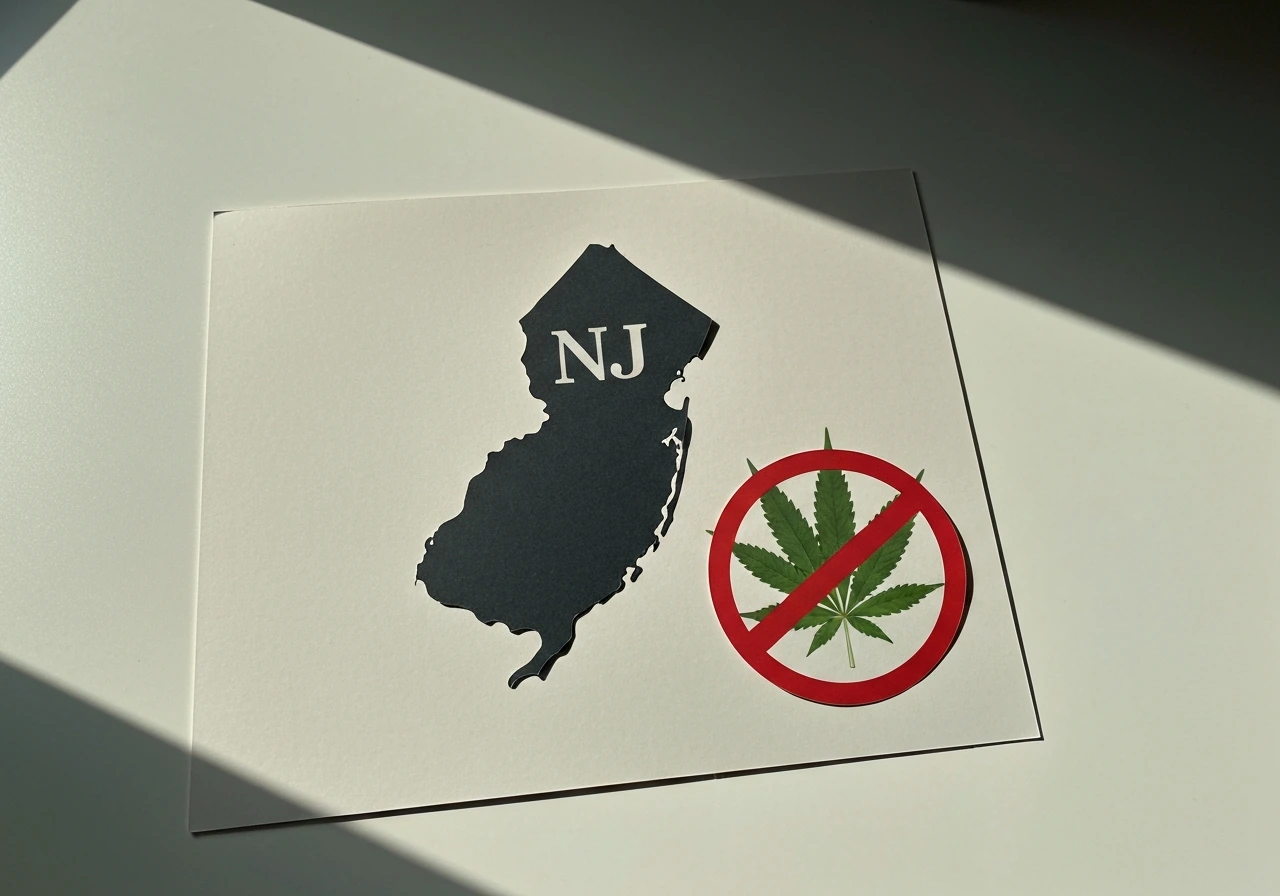
No, and it is worth being direct about this because there is a lot of confusion online. New Jersey legalized adult-use cannabis in 2021 through the New Jersey Cannabis Regulatory, Enforcement Assistance, and Marketplace Modernization Act (CREAMMA), but that law did not include a home cultivation provision for personal use. Advocates pushed hard for home grow to be included, and it was not.
The NJ-CRC has been equally clear for medicinal patients. Their Patient FAQs explicitly state that current law does not authorize the CRC to permit or regulate home cultivation of medicinal cannabis. Being a registered patient does not carve out any legal exception for growing your own plants at home.
This is not a gray area or a technicality. If you have been reading posts online suggesting home grow is quietly allowed, or that patients have some workaround, that information is wrong. The safest thing to do is treat home cultivation as prohibited until NJ law changes and the NJ-CRC formally issues rules authorizing it.
Who can legally possess cannabis at home (and what that actually means)
Even though you cannot grow at home, you can lawfully possess cannabis at home as an adult 21 or older. The NJ-CRC confirms that adults 21+ may possess up to 6 ounces of cannabis or cannabis products in their personal possession. That limit applies whether the cannabis is on your person, in your car, or at your residence.
Registered medicinal cannabis patients operate under their own possession rules set by the medicinal program, which may differ from the adult-use limits. The point is that possession of lawfully purchased cannabis is legal, but producing your own cannabis plants is a separate and currently prohibited act, regardless of your age or patient status.
There is also no caregiver exemption that opens up home cultivation. Caregivers in the NJ medicinal program are authorized to assist patients with obtaining and administering cannabis, not with growing it.
Plant counts, possession limits, and location rules
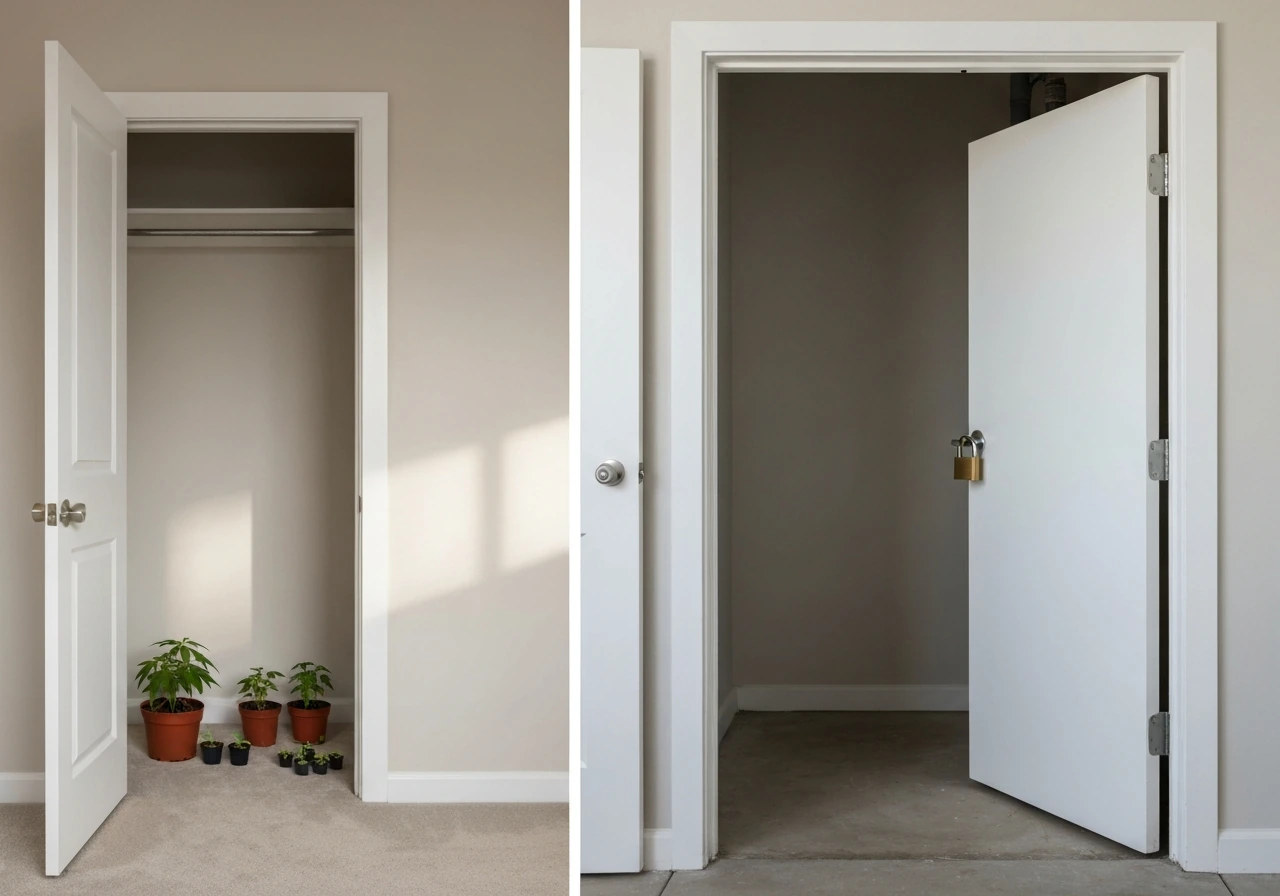
Because home cultivation is not authorized, there is no official plant count limit to cite for residential grows. The NJ-CRC has not published a "you may grow X plants at home" rule because the activity itself is not permitted. Any number of plants grown at a private residence without a cultivation license is outside the law.
Here is what the law does specify on the possession side, to help you understand where the lines are drawn:
- Adults 21+ may possess up to 6 ounces of cannabis or cannabis products in personal possession
- Possession of cannabis paraphernalia is legal for adults 21+
- Purchase must come from a licensed adult-use retailer or, for patients, a licensed dispensary (Alternative Treatment Center)
- Growing plants at home, even for personal use, is not authorized for any consumer or patient category
Location rules for home grows simply do not exist in NJ regulatory code yet, because there is no home grow framework to attach them to. If and when NJ legalizes residential cultivation, expect the NJ-CRC to publish rules covering things like plant limits, indoor vs. outdoor restrictions, visibility requirements, and distance from schools. For now, those rules do not exist.
When you actually need a NJ cultivation license
If you want to grow cannabis legally in New Jersey today, the only legal pathway is through a state-issued cultivation license granted by the NJ-CRC. This is a commercial business license, not a personal-use permit. It requires operating as a licensed cannabis entity, not as a private individual growing plants in a basement.
The NJ-CRC issues cultivation licenses under the adult-use marketplace framework (governed by N.J.A.C. 17:30). There is no "micro cultivator" or personal-use residential tier available. If you want to grow and sell, or even grow and transfer to other licensed entities, you need a full cultivation license.
Here is a quick breakdown of the license categories relevant to cultivation in NJ:
| License Type | Who It's For | Allows Home/Residential Growing? |
|---|---|---|
| Class 1 Cultivator | Commercial cannabis growers supplying the adult-use market | No — must operate at a licensed, non-residential premises |
| Class 4 Retailer | Cannabis retail sellers; not a grow license | No |
| Class 5 Wholesaler | Transfer of cannabis between licensees | No |
| Medicinal Cultivator/ATC | Licensed medicinal cannabis operations | No — commercial premises required |
| Personal/Home Grow | Not currently authorized in NJ | No — does not exist as of May 2026 |
The takeaway is simple: if you are a private individual who wants to grow for personal or household use, there is currently no license you can apply for to make that legal. A cultivation license is a business pathway, not a personal-use pathway.
How to apply for a NJ cultivation license (if you're going the commercial route)
If you are serious about growing cannabis legally in NJ as a business, here is a realistic picture of the application process. This is not a quick or cheap process, and it is designed for commercial operations, not backyard grows.
Step-by-step overview
- Register your business entity in New Jersey (LLC, corporation, or other qualified structure) through the NJ Division of Revenue and Enterprise Services
- Create an account on the NJ-CRC's online licensing portal (licensing.nj.gov or the CRC's designated platform)
- Complete the Conditional License application, which requires ownership and control disclosures, background check authorizations for all principals, business formation documents, and a general business plan
- Receive a Conditional License (if approved), which allows you to secure a premises and build out your facility — you cannot operate yet
- Submit your Annual License application once you have a compliant, inspectable location — this requires a detailed operating plan, security plan, floor plan/site plan, proof of premises control (lease or deed), and compliance documentation
- Pass NJ-CRC inspection of your facility before you receive approval to operate
- Begin cultivation operations only after receiving your Annual License and any required municipal approvals
Documents you will typically need
- Certificate of formation and operating agreement for your business entity
- Personal disclosure forms and background check consent for each principal (anyone with 5%+ ownership or managerial control)
- Proof of legal premises control (signed lease, option to lease, or deed)
- Detailed site plan and floor plan of the cultivation facility
- Security plan covering cameras, alarms, access control, and visitor procedures
- Cannabis waste management plan
- Standard operating procedures for cultivation, inventory tracking, and employee training
- Diversity plan (NJ places significant weight on social equity applications)
Costs and timing
NJ-CRC application fees for cultivation licenses vary by license tier and business size. The Conditional License application fee has historically been in the range of a few hundred to a few thousand dollars depending on the license type, with Annual License fees substantially higher. Build-out costs, compliance infrastructure, and legal/consulting fees are separate and often significant. The timeline from Conditional License application to being operational has ranged from several months to well over a year for many applicants, so plan accordingly.
Always verify current fee schedules directly on the NJ-CRC website (nj.gov/cannabis) before budgeting, as fee structures can be updated.
Staying compliant: what you actually need to have in order
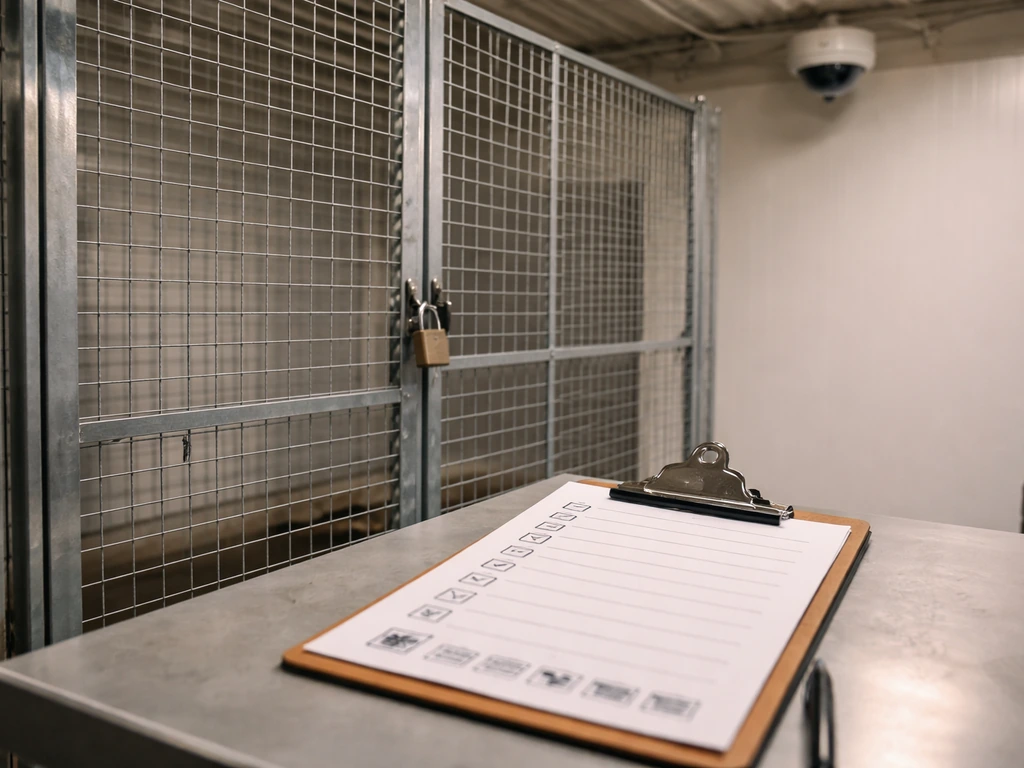
If you do get a cultivation license, compliance is ongoing and serious. The NJ-CRC has enforcement authority and conducts inspections. Here is what they focus on:
Security requirements
- 24/7 video surveillance covering all areas where cannabis is grown, stored, or transferred
- Recorded footage retained for a minimum period (check current NJ-CRC rules, often 30 to 90 days)
- Alarm systems with monitoring
- Controlled access to all cultivation and storage areas with visitor logs
- Perimeter security appropriate to the facility
Tracking and recordkeeping
NJ requires seed-to-sale tracking for licensed cultivators. This means every plant must be tagged and tracked from propagation through harvest, processing, and transfer. The NJ-CRC has designated a state-approved tracking system that licensees must use. You cannot opt out of it, and gaps in your tracking records are a major red flag during inspections.
Inspections
The NJ-CRC can conduct both scheduled and unannounced inspections of your facility. Inspectors will check that your physical operation matches your approved plans, that your tracking records are accurate and current, that your security systems are functioning, and that you have no cannabis leaving the licensed premises in unauthorized ways. Diversion, meaning cannabis going anywhere other than to a licensed entity, is treated very seriously.
Common mistakes that cause problems
- Operating before your Annual License is issued (a Conditional License does not authorize cultivation)
- Failing to tag and track plants from day one of propagation
- Security camera gaps or footage not being retained for the required period
- Making changes to your facility layout or operations without notifying the NJ-CRC
- Transferring cannabis to any unlicensed party, including friends or family
- Letting your license lapse by missing renewal deadlines
- Inaccurate or missing waste disposal records
What to do right now, today
This article is regulatory guidance, not legal advice. For your specific situation, especially if you are weighing a commercial license application, consulting a cannabis attorney familiar with NJ law is a smart move. That said, here are the practical next steps depending on your goal:
If you are a consumer or patient hoping to grow at home: Check nj.gov/cannabis for any updates to home cultivation rules. As of today, it is not legal, and no application process exists for personal home grows. If you are wondering whether home grow is legal in New Jersey, the answer is still no under current state law and NJ-CRC guidance is home grow legal in new jersey. Follow NJ-CRC announcements for any legislative changes, since home grow has been a recurring advocacy issue in the legislature. A 2026 draft bill, S1758, would require registered qualifying patients to give prior notice to the commission before commencing home cultivate medical cannabis and would describe civil penalty exposure for unauthorized transfers or distribution of home-cultivated medical cannabis S1758 would require prior notice and would set civil penalties for unauthorized transfers or distribution of home-cultivated medical cannabis.
If you are exploring a commercial cultivation license: Start by reading the NJ-CRC's cultivation license requirements in full on nj.gov/cannabis. Download the current application forms and fee schedule. Before you sign a lease or spend money on a facility, confirm that your intended municipality allows cannabis cultivation businesses (local zoning approval is a separate requirement that the state cannot override).
If you are trying to sanity-check a planned setup against current law: Map every aspect of your planned grow against these questions. Is it at a licensed commercial premises? Is it tracked from seed to sale? Does your facility match your approved application? If any answer is no, you have a compliance gap to fix before you start.
The NJ home grow landscape is one of the more restrictive in states that have legalized recreational cannabis. Until the legislature passes a home cultivation bill and the NJ-CRC issues implementing rules, the only legal way to be involved in cannabis cultivation in this state is through a commercial license. Keep an eye on the related questions around NJ cultivation regulations and what it truly means for something to be legal to grow in New Jersey, because those details matter as much as the headline answer. If you are researching off-grid grow company dispensaries and how their products compare, you can look for off grid grow co dispensary angel fire reviews before making any decisions. You can also review how NJ-CRC regulations are evolving, including changes that could affect whether residential growing becomes legal NJ cultivation regulations.
FAQ
If home grow is illegal in NJ, can I still germinate seeds or keep seedlings in my home “to see if they take”?
No. Germination and maintaining live plants at a residence is still part of cultivation. If you have no NJ cultivation license and no legal home-cultivation framework, any seedlings or mature plants you grow at home are unauthorized activity, even if you plan to stop before harvest.
Does the “possession limit” for adults 21+ mean I can keep a few plants at home as long as I stay under the ounces limit?
No. Possession limits apply to lawfully purchased cannabis and products, not to producing cannabis plants. Even if you could later claim you have not exceeded an ounce amount, growing plants at home is a separate prohibited act without a cultivation license.
As a registered medical patient, can I grow at home if my doctor recommends it?
A recommendation does not create permission to cultivate. Under current NJ-CRC guidance, registered medicinal patients are still not authorized to grow cannabis at home, and the CRC does not regulate or permit residential cultivation for medical patients.
Is there any legal exception for a caregiver to grow plants for a patient?
Not for cultivation. The caregiver concept in the medicinal program focuses on assisting with obtaining and administering cannabis, not operating a residential grow. A caregiver still cannot lawfully grow cannabis at home without the appropriate licensed cultivation structure.
What happens if I already bought seeds or grow equipment before I learned the law?
Ownership of seeds or gear is not the same as cultivation, but having equipment plus live plants and an active grow setup can create serious enforcement risk. If your situation involves active plants, the safer step is to stop the cultivation activity and remove plants rather than trying to rely on “I only had supplies.”
If I want to “transfer” cannabis I grew to a dispensary or another business, does that make it legal?
No. Transferring does not legalize unlicensed production. Without a NJ cultivation license and the required seed-to-sale tracking, cannabis leaving your possession for any third party is likely to be treated as diversion from the standpoint of enforcement and traceability.
Can I apply for a license as an individual, or is a licensed business entity required?
Cultivation licenses are issued under the adult-use marketplace framework to licensees operating as cannabis businesses. In practice, you should expect you need a qualifying business structure and compliance readiness, not a personal permit for a backyard grow.
What are the most common compliance mistakes that lead to inspections or enforcement for cultivators?
Common problem areas include incomplete or inconsistent seed-to-sale records, inability to match the physical facility to approved plans, security system failures, and record gaps that suggest plants or product are not being properly tracked. These are specifically the types of issues inspectors look for.
Do municipalities have any role in whether a licensed cultivation business can operate, even though state licensing is required?
Yes. You still need local approval or zoning permission, and the state license does not override municipal land use requirements. Before signing a lease or buying a property, confirm local zoning allows cannabis cultivation where you plan to operate.
How can I check whether the NJ-CRC has changed home grow rules if I keep seeing conflicting posts online?
Rely on NJ-CRC official updates on nj.gov/cannabis, and watch for formal rulemaking or guidance that specifically creates a home cultivation program. If there is no published regulatory framework and no license type for residential growing, claims that home grow is “quietly allowed” should be treated as unreliable.
Next Article
Grow NJ Regulations: Cannabis Cultivation Compliance Guide
Step-by-step NJ cannabis cultivation compliance guide: licenses, eligibility, plant limits, zoning, security, fees, time