Cannabis cultivation in New Jersey is legal, but only through a licensed business operating under the New Jersey Cannabis Regulatory Commission (NJ-CRC). There is no home grow program for either medical or adult-use cannabis in NJ right now. You cannot legally grow cannabis at home in New Jersey right now, because the law limits cultivation to licensed commercial operations home grow cannabis is not permitted in New Jersey. If you want to legally grow cannabis in the state, you need a commercial cultivation license, and that means going through the NJ-CRC licensing process from the ground up.
Grow NJ Regulations: Cannabis Cultivation Compliance Guide

Marcus Whitley
30 Apr 2026
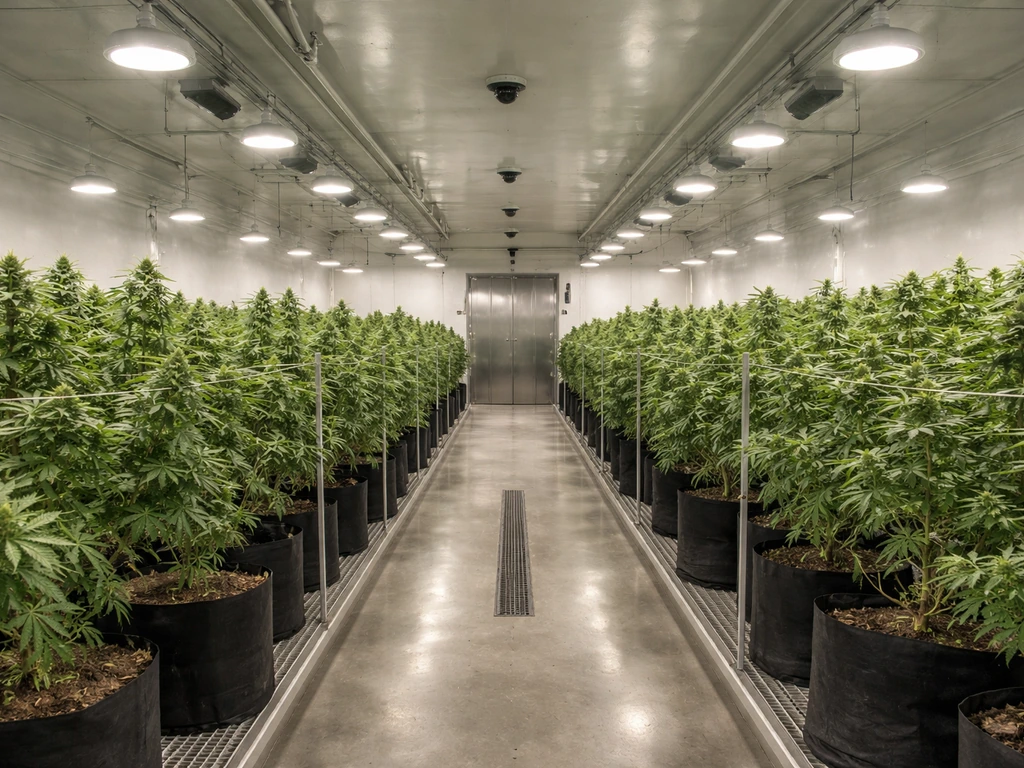
Is cannabis cultivation legal in New Jersey?
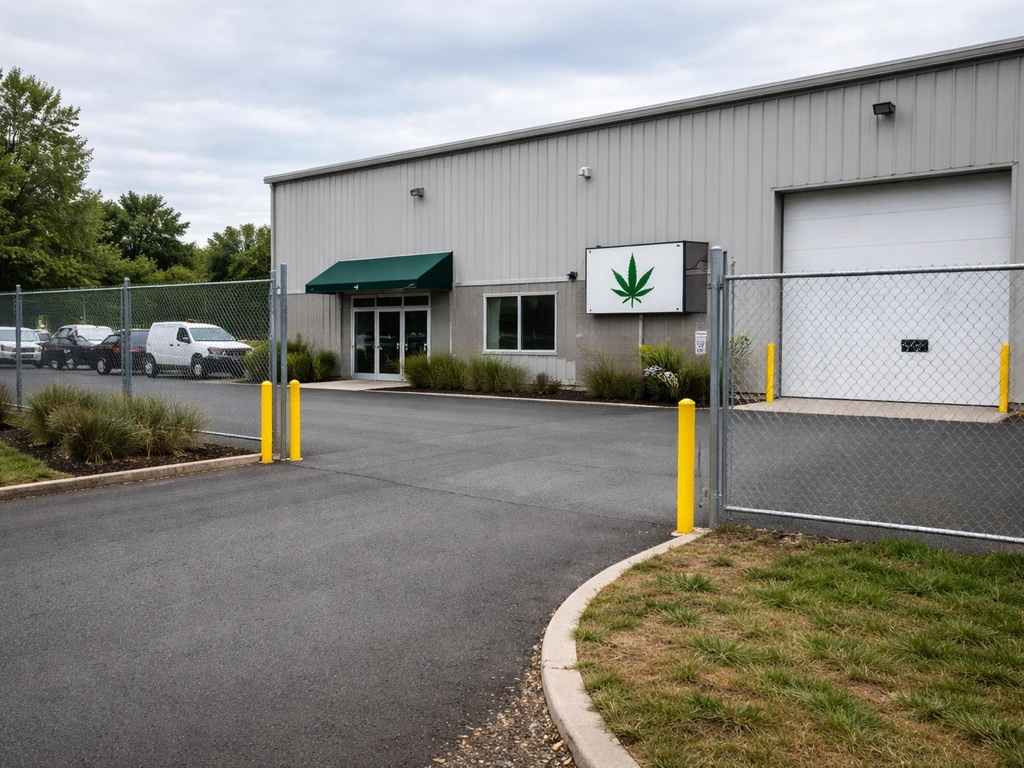
Yes, but only within a licensed commercial operation. The NJ-CRC has been explicit on this: current New Jersey law does not give the CRC authority to authorize private, residential, or any growing of cannabis outside of a business holding a cultivation license. The same restriction applies to medical cannabis. The CRC's medicinal cannabis FAQ confirms that home cultivation of medicinal cannabis is not permitted or regulated under current law either.
So if you've been researching NJ home grow law or wondering whether growing a few plants at home for personal use is allowed, the answer today is no. The legal pathway runs entirely through licensed commercial businesses. That's the starting point for everything else in this guide.
Which license types allow cultivation in NJ?
The NJ-CRC issues cultivation licenses under two separate programs: the adult-use (recreational) cannabis market and the medicinal cannabis program. Both operate under the broader N.J.A.C. 17:30 regulatory framework, but they have different application pathways and some different operational requirements.
Adult-use cannabis cultivator license
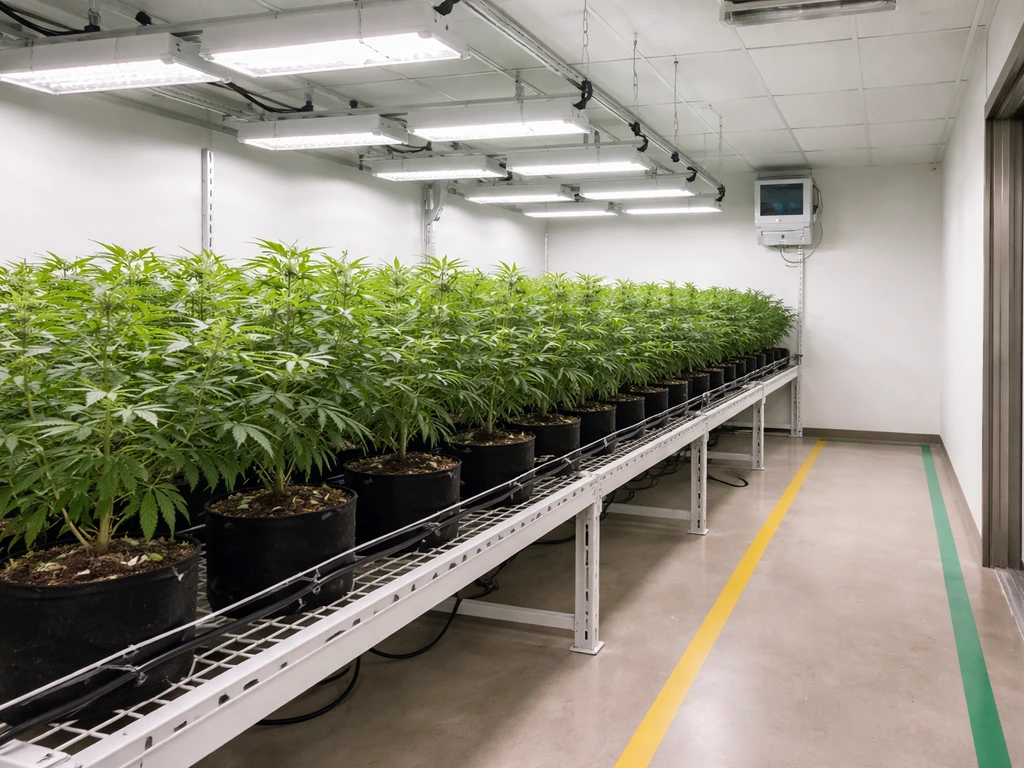
This is the main commercial cultivation license for the recreational market. It comes in two business categories: standard cannabis businesses and microbusinesses. Both can hold a cultivator license, but they differ significantly in size, ownership rules, and fees. The CRC also offers a conditional license pathway, which lets applicants begin building out their operations while working toward meeting all requirements for the full annual license.
Microbusiness cultivator license
The microbusiness category is specifically designed for smaller operations with tighter ownership and residency requirements. Microbusinesses have lower canopy limits and different fee structures compared to standard cultivators. If you're planning a smaller grow operation and meet the residency criteria, the microbusiness license may be the right fit.
Medicinal cannabis cultivator (Alternative Treatment Center)
The medicinal cannabis program has its own licensing track through the CRC. Medicinal cultivators generally operate as vertically integrated Alternative Treatment Centers (ATCs) or can hold a standalone cultivation permit depending on the application type. Applications go through the same NJ-CRC portal, but the medicinal program has some separate requirements and fee structures.
Who is eligible and how is eligibility verified?
Eligibility rules vary depending on whether you're applying as a standard business or a microbusiness. Here's how they compare:
| Requirement | Standard Cannabis Business | Microbusiness |
|---|---|---|
| NJ residency for owners | No blanket residency requirement | 100% of ownership interest must be held by NJ residents who have lived in NJ for at least the past 2 consecutive years |
| Municipal residency for staff | Not required | At least 51% of owners, principals, and employees must reside in the same municipality (or a directly bordering one) where the business is located |
| Background checks | Required for all owners/principals | Required for all owners/principals |
| Business and financial plan | Required (N.J.A.C. 17:30-7.10) | Required (N.J.A.C. 17:30-7.10) |
| Entity formation documents | Required | Required |
The CRC verifies eligibility during the application review process. NJ-CRC staff check that all required documents are included before moving the application forward in the review workflow. Background checks are a standard part of this process, and any gaps in documentation will stall your application.
Plant limits, canopy rules, and operational requirements
Canopy tiers
NJ law establishes a tiered system for licensed cultivators based on mature cannabis plant grow canopy area. Under N.J.A.C. 17:30-10.4, a Tier I Cannabis Cultivator license permits a mature canopy of no more than 10,000 square feet. Additional tiers allow larger canopy areas, with each tier carrying its own fee and operational requirements. There are also capacity-change fees if you want to move between tiers after you're licensed.
One important constraint under N.J.S.A. 24:6I-38: if the CRC disciplines a cultivator for a rule violation or noncompliance in a given year, that cultivator's canopy may not increase during the following year. Staying clean on compliance directly affects your ability to scale up.
What you're authorized to do
Under N.J.A.C. 17:30-10.2, a licensed cultivator is authorized to possess, propagate, germinate, plant, cultivate, grow, harvest, dry, cure, process, and package cannabis. The same rule also lays out specific prohibitions and constraints. Basically, you can do everything from seed to packaged product, but only within the licensed premises and only in compliance with the operational rules.
Security, SOPs, and recordkeeping
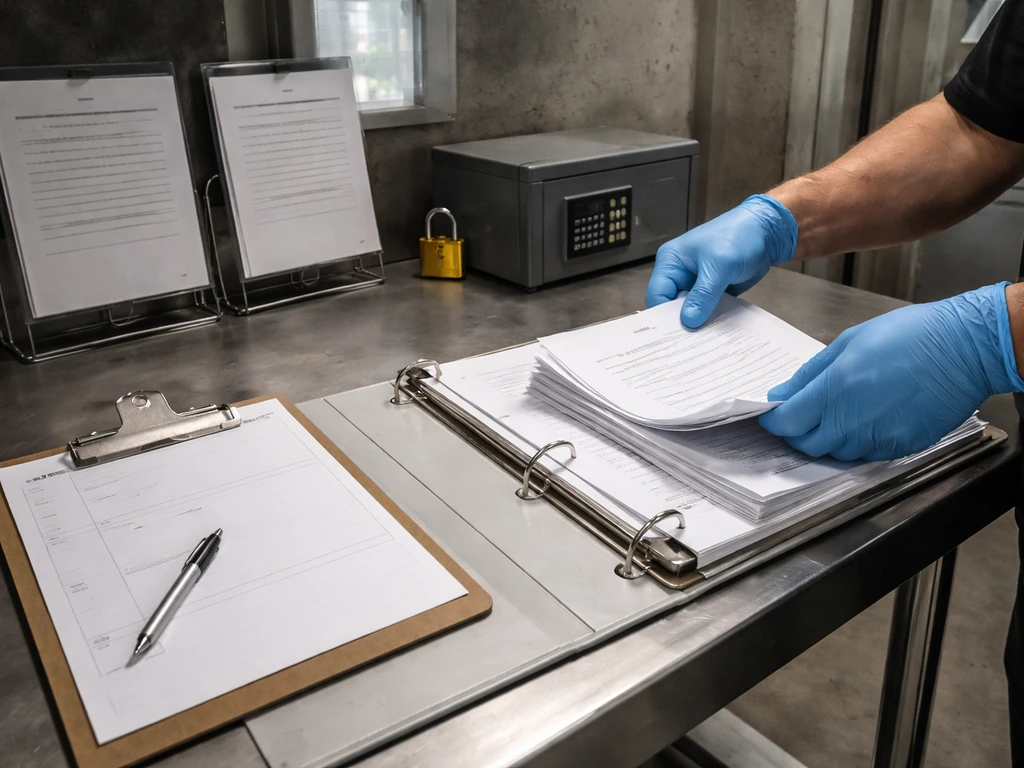
You'll need documented standard operating procedures (SOPs) for cultivation, security, and inventory management as part of your application and ongoing operations. Security requirements are substantial for cannabis businesses in NJ and typically include surveillance cameras, access controls, and alarm systems covering all areas where cannabis is cultivated, processed, or stored.
For inventory and recordkeeping, the CRC requires all cultivators to use Metrc, New Jersey's seed-to-sale tracking system. Under N.J.A.C. 17:30-9.13, you must conduct an initial comprehensive inventory of all cannabis categories when your business first engages in cultivation at the premises. After that, every plant, batch, and transfer must be logged in Metrc in real time. This isn't optional and it's one of the most common areas where newer operators run into compliance problems.
Zoning, local approvals, and location constraints
Municipal approval is a hard requirement, not a courtesy step. The NJ-CRC application process requires applicants to submit municipal and zoning approvals as part of the initial application packet. CRC staff verify these documents are present before moving the application forward. If you don't have local approval in hand, your application will not advance.
New Jersey municipalities have the right to opt out of allowing cannabis businesses within their borders. Before you commit to a location, confirm that the municipality actually permits cannabis cultivation operations and that the specific parcel is zoned appropriately. Many municipalities that allow cannabis businesses have specific zone designations or overlay districts where cultivation is permitted. Checking with the local planning or zoning board before signing a lease or purchase agreement can save you significant time and money.
Beyond zoning, there are typically setback requirements from schools, daycares, and other protected uses. These vary by municipality, so get written confirmation from the local zoning official about what's permitted at any specific address before committing to it.
How to apply: fees, forms, timelines, and common pitfalls
Where to apply
All applications go through the NJ-CRC Licensing Portal. This is the single platform for submitting your application, uploading documents, tracking your application status, and managing your license after approval. The CRC also provides a licensee user guide with technical instructions for navigating the portal.
Fees
The CRC publishes a fee schedule (currently effective as of November 20, 2024) that covers application submission fees, approval fees, and annual license fees. The New Jersey Cannabis Regulatory Commission’s fee schedule PDF is the primary source for current application, approval, and annual fee amounts fee schedule (currently effective as of November 20, 2024). Fees are different for microbusinesses versus standard cannabis businesses. There are also separate capacity-change fees if you want to modify your cultivation tier after approval. Check the current fee schedule PDF on the NJ-CRC website before budgeting, since fees can be updated.
What you'll need to submit
- Completed application through the NJ-CRC Licensing Portal
- Business and financial plan (required under N.J.A.C. 17: 30-7.10)
- Entity formation documents (operating agreement, articles of incorporation, etc.)
- Ownership and principal disclosure forms with background check authorization
- Municipal zoning approval and any required local permits
- Site plan for the proposed cultivation facility
- Security plan and SOPs for cultivation operations
- Application fee payment
Timelines
The CRC does not publish a fixed processing timeline, and review periods can vary significantly depending on application volume and completeness. The conditional license pathway exists partly because full annual license review can take time. If you go the conditional route, you can start building out your facility while the full license review is ongoing, but you cannot begin cultivating cannabis until you have the appropriate authorization.
Common pitfalls
- Submitting without municipal/zoning approval already secured — this stops the application at the initial review stage
- Incomplete ownership disclosures — any missing principal information triggers a deficiency notice and delays review
- Vague or incomplete SOPs — the CRC expects detailed, operational-level procedures, not general descriptions
- Underestimating the business and financial plan requirement — this needs to show actual financial projections and operational plans, not a summary
- Missing or incorrect fee payments — fee amounts differ by business type and tier, so confirm the current fee schedule before submitting
- For microbusinesses: failing to document residency for all owners and the required percentage of employees at the time of application
After you're approved: renewals, inspections, and staying compliant
Annual renewals
Cannabis business licenses in NJ are annual. Under N.J.A.C. 17:30-7.16, your renewal application must be received by the CRC with all required documentation and fees no later than 90 days before your current license expires. Renewals are submitted through the NJ-CRC Licensing Portal by uploading the required renewal certification and supporting documents. Missing the 90-day window is a serious compliance failure, so calendar that deadline well in advance.
Inspections and ongoing compliance
The CRC conducts compliance inspections of licensed cannabis businesses. Inspectors can review your Metrc records, physical security setup, cultivation practices, and SOP adherence. Keeping your Metrc data current and accurate is one of the most important ongoing compliance tasks for cultivators.
The CRC publishes a violations and enforcement page with records of enforcement actions and resolutions, and they've also published a compliance primer describing the penalty framework under N.J.A.C. 17:30-20. Penalties can range from fines to license suspension or revocation. The CRC takes the tiered canopy expansion rule seriously: a discipline finding in any year freezes your ability to expand canopy the following year.
Metrc and recordkeeping after approval
Every cultivator needs to be fully operational in Metrc from the moment they begin cultivation. That means tagging plants, recording harvests, logging transfers, and maintaining batch records in the system. Metrc is New Jersey's official seed-to-sale tracking portal, and the CRC uses it as the primary record of what you're growing and moving. Gaps in Metrc data are one of the fastest routes to an enforcement action.
Your practical checklist and next steps to take today

If you're ready to move forward, here's what to actually do right now rather than just read more:
- Confirm your license type: Decide whether you're pursuing a standard cultivator license or a microbusiness cultivator license. If microbusiness, verify that you and your team meet the NJ residency and municipal residency requirements before going further.
- Check your target municipality: Confirm the municipality you're considering has opted in to allow cannabis businesses, and contact the local zoning office to verify that cultivation is permitted in your target zone. Get anything they tell you in writing.
- Review the current fee schedule: Download the NJ-CRC fee schedule (effective November 20, 2024) from the CRC website and budget for application, approval, and annual license fees based on your intended cultivation tier.
- Start gathering documents: Begin collecting entity formation documents, owner/principal information for background checks, and financial records you'll need for the business and financial plan.
- Draft your SOPs and security plan: These take time to do properly. Start your cultivation SOPs, security plan, and site layout early — they're required for submission and weak SOPs are a common delay.
- Secure municipal approval: Get your zoning and municipal approval documents before you submit. This is a gating item — you cannot advance in the CRC process without them.
- Create your NJ-CRC Licensing Portal account: Register on the portal and familiarize yourself with the document upload requirements using the NJ-CRC licensee user guide.
- Plan for Metrc: Get familiar with Metrc's requirements for cultivators now. You'll need to be operational in the system from day one of cultivation.
- Calendar your renewal deadline: Once approved, note your license expiration date and set a reminder to submit renewal no later than 90 days before that date.
- Monitor NJ-CRC rule updates: The CRC updates its rules and fee schedules periodically. Bookmark the NJ-CRC website and check it regularly, especially before submitting any application or renewal.
One final note: this guide covers the regulatory framework and practical compliance steps as they stand today, but it is not legal advice. If you're investing significant resources into a cultivation license application, having an attorney familiar with NJ cannabis law review your specific situation is worth it. If you're also comparing dispensary options and looking at Off Grid Grow Co, you can find angel fire reviews and feedback online to help you evaluate their reputation off grid grow co dispensary angel fire reviews. The CRC rules are detailed, and the consequences of getting them wrong can be costly.
FAQ
If I live in NJ, can I grow a few cannabis plants at home as long as I keep it private?
No. Under current NJ law, the CRC cannot authorize anyone to cultivate cannabis outside a licensed commercial operation, even if you own the property where cultivation would occur. If you are already operating informally, the compliant path is to stop home cultivation and start the licensing process for a licensed cultivator site.
Does medical cannabis eligibility let me grow at home in New Jersey?
Not under the current framework described in the guide. The adult-use and medicinal tracks both require cultivation to happen within a licensed commercial operation, and residential growing is not a permitted or regulated activity. If you are eligible for medical cannabis, that does not create a separate home-growing authorization.
If I get a conditional cultivation license, can I start growing right away?
You generally can only cultivate once you have the correct authorization for that cultivation activity, and in practice you should treat “conditional” approval as build-out only. Before starting any propagation or cultivation activities, confirm your current authorization level in the NJ-CRC portal and ensure it matches the planned activities at the premises.
Can my cultivation tier expand immediately after approval, or are there limits and timing issues?
Tier tier changes are not just a paper update. The guide notes capacity-change fees and a rule that discipline can freeze your ability to increase canopy in the following year, so plan expansions only after you clear compliance issues and confirm the tier approval process for your specific situation.
What if the town allows cannabis generally, but my specific property is in a different zone?
Yes, municipal approval can fail even after you think zoning is correct. The guide emphasizes written municipal and zoning approvals must be in the initial packet, and that many municipalities opt out entirely. Always verify both (1) whether the municipality allows cannabis cultivation and (2) whether your exact parcel is in an approved zone or overlay district.
What are the most common Metrc mistakes that get new operators in trouble?
Metrc recordkeeping failures can create enforcement exposure even if your physical crop looks fine. Common mistakes include entering harvest or transfer timestamps late, failing to log germination and plant tags, or missing initial comprehensive inventory when cultivation begins. Build a process that assigns responsibility for Metrc updates on a daily schedule, not just weekly.
Do I really need SOPs for security and inventory, or is cultivation SOP enough for compliance?
You need SOPs that cover more than cultivation methods. The guide calls out SOPs for cultivation, security, and inventory management as part of the application and as ongoing requirements. Expect that inspectors will compare actual practice to your written procedures, so make sure the SOPs match how staff will behave on the ground.
How does an enforcement or discipline finding affect my ability to scale up next year?
If you want to expand canopy, the guide highlights a serious constraint, under N.J.S.A. 24:6I-38, where a discipline finding in a year prevents canopy increases the following year. Practically, that means you should time your expansion plans around compliance outcomes and confirm whether any prior year findings affect expansion.
What security issues do inspectors commonly flag, beyond missing equipment?
Yes, start by checking your security coverage and documentation readiness, not just the equipment list. The guide notes security requirements are substantial and typically include surveillance cameras, access controls, and alarms covering cultivation, processing, and storage areas. A common edge case is having cameras installed but not ensuring coverage of all required areas or failing to align SOPs and access control logs with what you claim in your application.
How close can I wait to submit my license renewal in NJ?
Renewals are strict and calendar-driven. The guide states your renewal application must be received no later than 90 days before your current license expires, and it must include required documentation and fees. A common mistake is assuming “submitted” is the same as “received,” so plan for internal review time and portal upload time to avoid missing the deadline.
How should I plan construction and budgeting if the CRC processing timeline is unpredictable?
Because the CRC does not publish a fixed processing timeline, you should plan for review variability and use conditional licensing only if your authorization supports build-out activities you can legally perform. If you have investors or construction timelines, add buffer time for licensing review and for municipal document corrections if something is missing.
Next Article
Off Grid Grow Co Dispensary Angel Fire Reviews: Licensing, Tips
Angel Fire Off Grid Grow Co dispensary reviews plus NM licensing checks, what to expect, and questions to ask before you