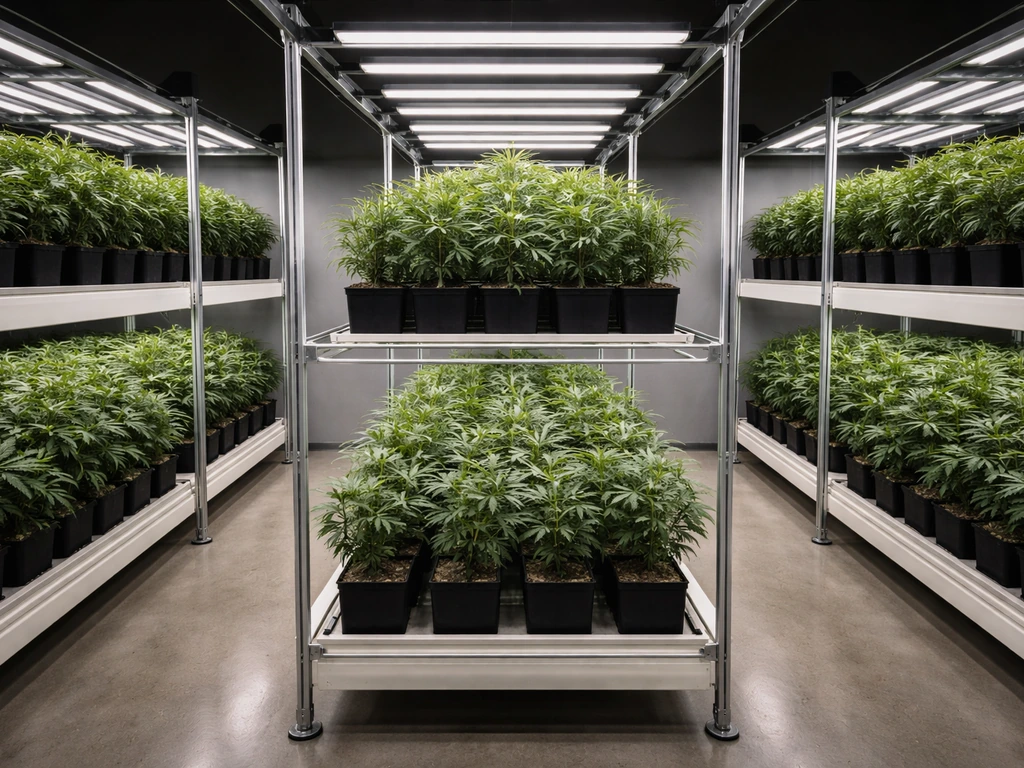
There is no single federal or universal "99 plant grow license." What that phrase usually points to is one of two things: a specific local ordinance (most famously in certain California counties) that caps personal or medical cultivation at exactly 99 plants, or a shorthand people use when searching for the cultivation license tier that gets them close to 100 plants. Either way, the number "99" does not map to one license you can just apply for. It maps to your state's (and sometimes your county's) specific plant-count rules for a particular license type. This guide walks you through how to figure out which license that is, how to apply, and how to stay compliant once you have it.
99 plant grow license: how to qualify, calculate, apply

Marcus Whitley
22 Apr 2026
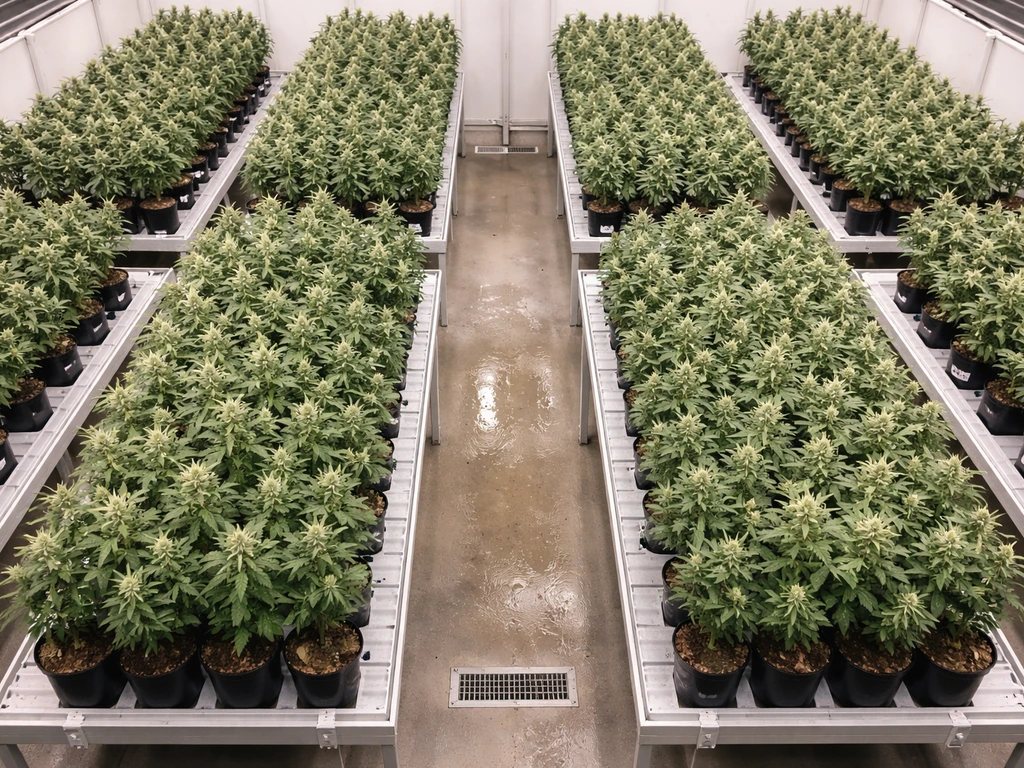
What "99 plant grow license" actually means
The number 99 became significant in cannabis culture largely because of a federal threshold: possessing 100 or more plants triggers a mandatory minimum sentence under federal law, whereas fewer than 100 plants carries a lower sentencing range. So growers, and eventually local regulators, latched onto 99 as the ceiling for a "safer" plant count. That history explains why Tulare County in California, for example, explicitly capped medical marijuana cultivation at a maximum of 99 plants in its local ordinance. It is a deliberate one-plant-under-100 buffer.
Outside of specific local ordinances like that, no state cannabis agency issues something literally called a "99 plant grow license." What states issue are cultivation licenses in tiers, and those tiers are defined by canopy square footage, plant counts, or both. Your job is to identify which tier in your state covers roughly 99 plants (or the closest equivalent), then apply for that specific tier. The rest of this article helps you do exactly that.
Where 99 plants (or close to it) is actually allowed
Cannabis is regulated at the state and local level, and the rules vary enormously. Here is a practical breakdown of how major legal states handle plant counts at the higher end of the personal or small-commercial range.
| State | Home/Personal Limit | Small Commercial Limit | How Limits Are Expressed |
|---|---|---|---|
| California | Up to 6 plants (adult-use, statewide) | Specialty Cottage Outdoor: up to 25 mature plants or 2,500 sq ft canopy; local permits may allow up to 99 plants for medical | Mature plant count + canopy sq footage |
| Michigan | 12 plants (adult-use home) | Class A: 100 plants; Class B: 500 plants; Class C: 2,000 plants (medical) | Plant count; mature-only for adult-use, mature + immature for medical |
| New York | Up to 6 plants per person (3 mature, 3 immature); 12 per household max | Tiered commercial licenses; no "99" tier specifically | Mature vs. immature distinction in home rules |
| Oregon | 4 plants per household (adult-use) | Tiered canopy limits for commercial; immature batch cap of 100 plants per batch | Canopy sq footage + batch-level immature caps |
| Washington | Home grow not permitted for adult-use | Tier 1: up to 2,000 sq ft canopy; Tier 2: up to 10,000 sq ft; Tier 3: over 10,000 sq ft | Canopy square footage tiers |
| Colorado | Up to 6 plants per adult (3 mature); 12 per household | Tiered commercial licenses by plant count and canopy | Mature plant count + canopy |
| Nevada | 6 plants per adult; 12 per household if more than one adult | Tiered commercial licenses | Plant count |
| Arizona | Up to 6 plants per adult | Tiered commercial cultivation licenses | Plant count |
The short takeaway: California is the state where a "99 plant" limit most directly appears, but only at the local county or city level (not as a statewide license tier). Michigan's Class A license covers 100 plants, which is the closest formal state-level tier to "99." Most other states either cap home grows far below 99 or use square footage rather than plant counts for commercial tiers.
If you are specifically trying to grow 99 plants legally in California, the path involves both a state cultivation license and a local (county or city) permit. Some California counties have retained the 99-plant cap in their local medical cultivation ordinances, so the combination of a CalCannabis cultivation license and a county permit governs what you can actually grow. That topic gets its own deep-dive treatment elsewhere on this site.
License types that get you to higher plant counts
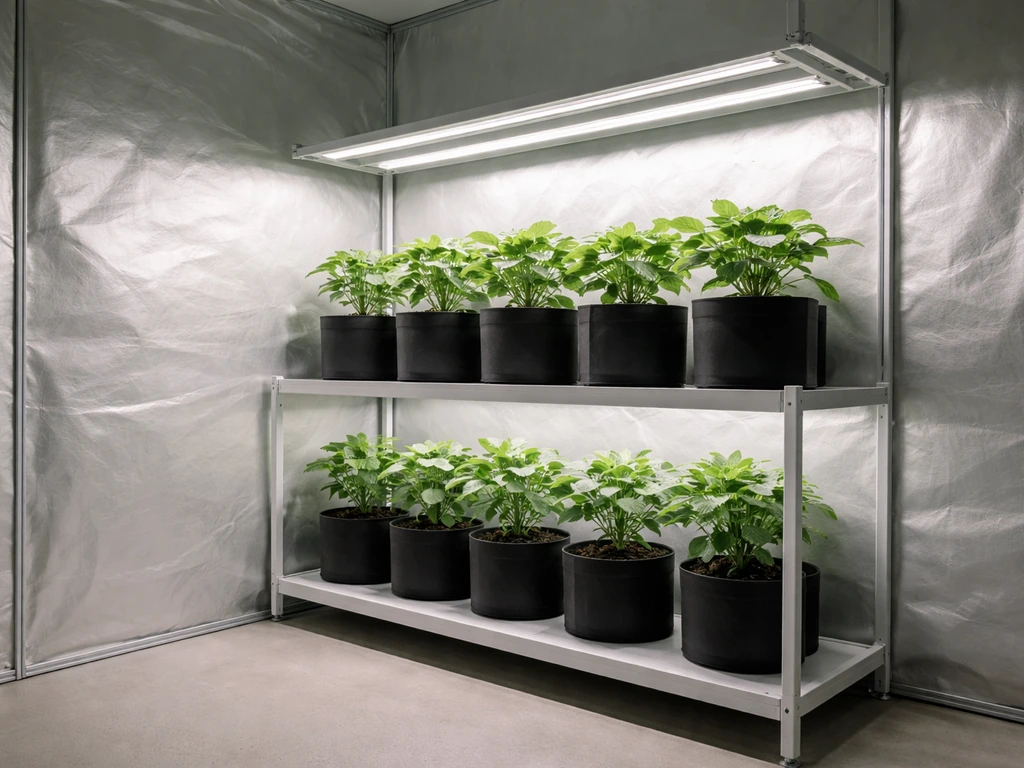
Home grow limits almost never reach 99 plants. If you want to grow at that scale, you are almost certainly looking at a commercial cultivation license, even if it is a small or micro-tier one. Here is how the major license categories break down.
Home/personal cultivation licenses
These exist in most adult-use states and typically allow 3 to 6 mature plants per adult, with household caps usually doubling that (for example, New York caps households at 6 mature and 6 immature plants). No home cultivation license allows anywhere near 99 plants. If someone told you that you can grow 99 plants at home, they were either referring to a very old pre-legalization medical framework or they had the wrong information.
Small commercial and micro-tier licenses
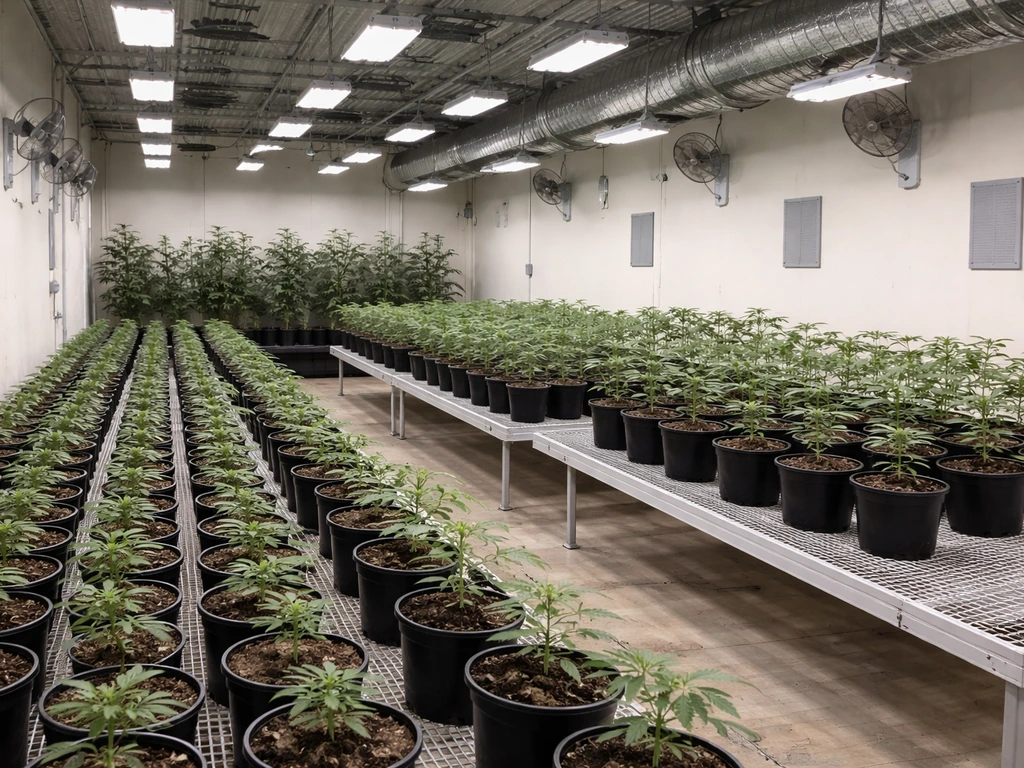
This is the tier where 99 plants becomes plausible. Michigan's Class A Grower License, for instance, covers up to 100 plants. California's Specialty Cottage licenses are designed for small operations. Oregon and Washington structure their smallest commercial tier by canopy square footage rather than plant count, but those tiers are similarly designed for small-scale cultivators. If you want to grow roughly 99 plants legally, a small or micro-tier commercial cultivation license in your state is the target.
Medical vs. adult-use licenses
In states with both medical and adult-use programs, the plant-count rules can differ significantly between the two. Michigan is a clear example: for medical growers, both mature and immature plants count toward your total, while for adult-use growers, only mature plants count. That distinction changes your operational math considerably. Always confirm whether you are applying under the medical or adult-use program, because the compliance requirements and counting rules are different.
How to apply: eligibility, documents, fees, and timelines
The application process varies by state, but the core requirements are consistent enough that you can build a checklist that works almost everywhere. Here is how to approach it.
Eligibility basics
- You must be a legal adult (21+ for adult-use programs, 18+ in some medical programs with caregiver status)
- Most states require you to be a state resident, though some (like California) do not have a residency requirement for commercial applicants
- You cannot have disqualifying felony convictions, particularly drug-related trafficking offenses; many states have expanded eligibility to include lower-level cannabis offenses under social equity provisions
- Your proposed cultivation premises must be in a jurisdiction that permits cannabis cultivation (zoning and local authorization are separate from the state license)
- You must have control over the premises (ownership, lease, or another documented right to use the property)
Documents you will typically need
- Government-issued photo ID for all owners and financiers above an ownership threshold (usually 5–20% depending on the state)
- Proof of premises control: deed, lease, or land contract
- Site plan or premises diagram showing cultivation area boundaries and canopy measurements
- Business entity formation documents (LLC, corporation) if applying as a business
- Financial documentation showing the source of operating funds; some states require proof of a minimum capital amount
- Background check authorization forms for all principals
- Local authorization, permit, or zoning approval (required in many states before the state will process your application)
- Security plan describing surveillance, access controls, and alarm systems
- Waste disposal plan for plant material
- Operating procedures or standard operating procedures (SOPs) in states that require them upfront
Fees and timelines
Application fees for small commercial cultivation licenses range widely. In California, a Specialty Cottage license application fee runs a few hundred dollars, while larger tiers can reach thousands. Michigan's Class A Grower License has both an application fee and an annual license fee, and the Michigan CRA has moved to a combined fee structure. Oregon and Washington have tiered fees tied to canopy size. Budget for both application fees (non-refundable in most states) and annual license fees once approved.
Processing timelines are the most frustrating variable. California has historically taken 6 to 12 months for full annual licenses, though provisional licenses have been issued faster. Michigan's CRA targets 90 days for complete applications but backlogs can extend that. Oregon and Washington have generally been faster for renewals than new applicants. If your state has a social equity program, there may be an expedited track available. Submit a complete application the first time; incomplete applications restart the clock.
Calculating "99" correctly: how your state actually counts plants
This is the section most applicants skip, and then they get surprised during an inspection. How a state counts plants matters as much as the numerical limit itself. Getting this wrong can put you over your limit even when you think you are under it.
Mature vs. immature plants
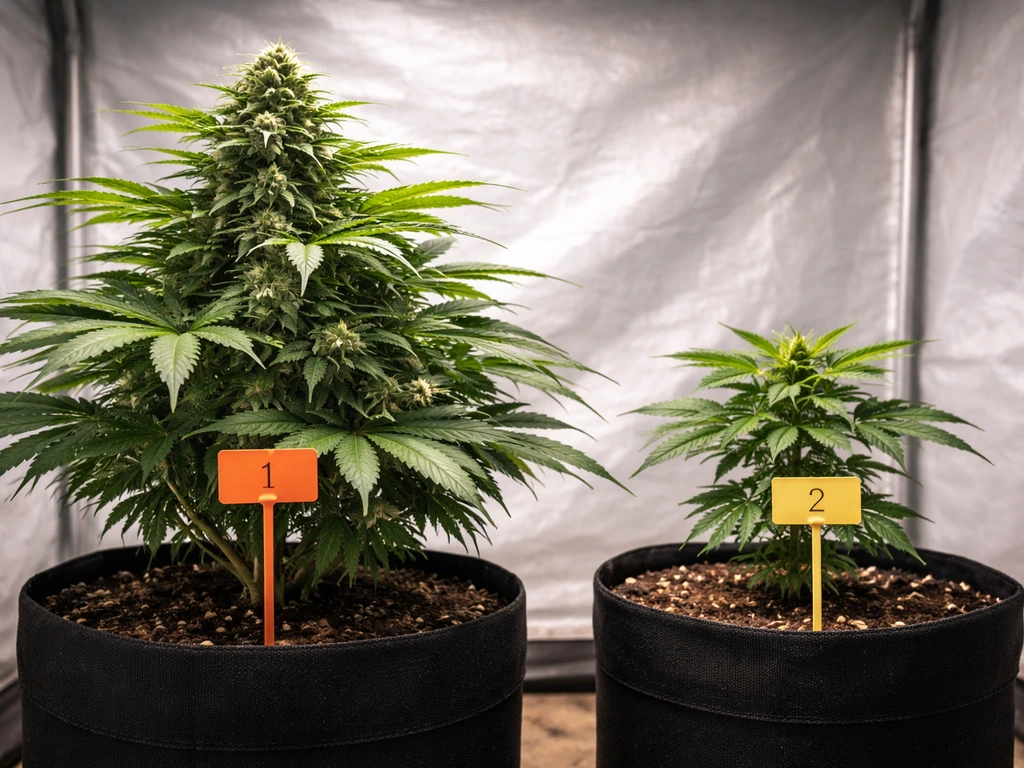
Many states distinguish between mature and immature plants and count them differently. Michigan's adult-use program counts only mature plants toward your grower license limit. Michigan's medical program counts both mature and immature plants. New York's home cultivation rules explicitly track 3 mature and 3 immature per person. Washington defines an immature plant or clone as one with no flowers and measuring less than 12 inches in height and less than 12 inches in diameter. Oregon caps cultivation batches at 100 immature plants, separate from canopy-based mature plant limits. If your state draws this line, you need to know which side of it each plant is on at any given time.
Canopy vs. plant count
California, Washington, and Oregon largely measure cultivation limits by canopy square footage rather than individual plant counts for commercial licenses. California defines canopy as the designated area containing mature plants at any point in time, measured in square feet, with clearly identifiable physical boundaries. A plant-count ceiling like "99" does not apply under California's state commercial licensing framework. The relevant number is your canopy size, which determines your license tier. If you are operating under a California commercial license, thinking in terms of plant counts will get you in trouble. Think in square feet of canopy instead.
The Michigan example: every plant counts
Michigan is instructive here. The Michigan CRA makes clear that any plant meeting the statutory definition of "Marihuana plant" (any plant of the species Cannabis sativa L.
Michigan CRA states that a licensee’s plant limit is based on the type of license issued, and that any plant that meets the statutory definition is counted toward the plant count Michigan CRA states that a plant that meets the statutory definition is counted toward the plant count, and the plant limit is based on the license type. , per MCL 333.
27102) counts toward your plant limit. That means seeds that have germinated, clones in propagation, and seedlings all count in the medical program. If you have a Class A Grower License (100-plant limit) and you are also operating as a caregiver growing for patients, those plant counts may stack depending on how your license structure is set up.
The CRA has published guidance on plant count collapse rules when licenses are co-located, and that guidance is required reading if you operate multiple licenses at one site.
Co-location and multiple licenses
Some states allow a single licensee to hold multiple cultivation licenses at one location, which can increase your total plant count. Michigan's plant count collapse rules address exactly this scenario, and the CRA has issued specific bulletins on how co-located grower licenses interact. In California, stacking multiple cultivation licenses at one site is permitted up to a total canopy cap. If you are trying to reach 99 plants by combining licenses, verify your state's rules on co-location explicitly before you do it. The general rule is that limits are additive only if the state explicitly permits it.
Staying compliant: security, tracking, inspections, and recordkeeping
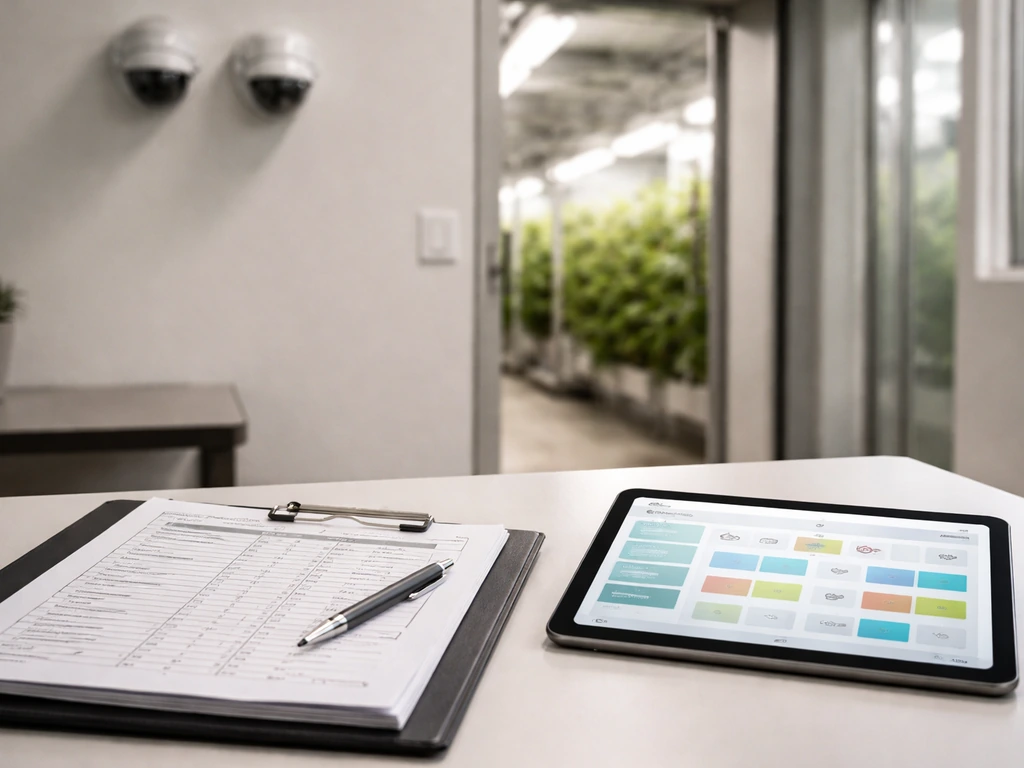
Getting the license is the beginning, not the end. Commercial cultivation licenses at any plant count come with ongoing compliance obligations that are non-negotiable. Here is what to expect.
Security systems
Every commercial cultivation license requires a physical security plan. At minimum, this means video surveillance covering all areas where plants are present, stored, or transported, with footage retention requirements (typically 30 to 90 days depending on the state). You will also need controlled access to your cultivation space, meaning locked doors, keycard or code access, and a log of who enters. Alarm systems that alert a monitoring service or law enforcement are standard. California, Michigan, Oregon, and Washington all specify minimum camera resolution and coverage angles in their regulations. Pull your state's security requirements before you design your grow space, because retrofitting security into an existing space is expensive.
Seed-to-sale tracking
Every state with a commercial cultivation license requires seed-to-sale traceability. In most states, this means using a state-mandated or state-approved software platform. California, Michigan, Oregon, Washington, and Colorado have all used Metrc (Marijuana Enforcement Tracking Reporting Compliance) as their state system at various points. Every plant gets a tag, every transfer gets a manifest, and every harvest is logged. You cannot sell, transfer, or destroy plant material without recording it in the system. If your plant counts in the tracking system do not match your physical plant counts, you have a compliance problem even if you are within your limit.
Inspections
Expect unannounced inspections, especially in your first license year. State regulators will check that your physical plant count matches your tracking system records, that your security systems are operational, that your canopy or grow area matches what was approved on your site plan, and that your waste disposal is documented. Local authorities (fire marshal, building department) may conduct separate inspections. Keep your site plan current and make sure any physical changes to your grow space are pre-approved by your licensing agency.
Recordkeeping
You are required to maintain records of all plant activity, typically for a minimum of three to seven years depending on the state. This includes planting dates, transfer records, harvest logs, destruction logs for plant waste, pesticide application records, and employee access logs. Many states also require financial records be available for audit. Paper backups of electronic records are a good idea; system outages or software issues are not accepted as excuses for missing records during an inspection.
Renewals, transfers, and mistakes that get licenses denied or revoked
Renewals
Most commercial cultivation licenses are annual and must be renewed before expiration. Renewal applications typically open 60 to 90 days before the expiration date. You will need to update any information that has changed (ownership, premises, financials) and pay the annual renewal fee. States can and do deny renewals for compliance violations from the prior license year. Keep your compliance record clean throughout the year, not just at renewal time. A pattern of minor violations adds up and can become grounds for denial.
License transfers and changes of ownership
Cannabis licenses are generally not transferable like a normal business asset. If you sell your cultivation operation, the new owner must apply for a new license or go through a formal ownership transfer process with the state agency. This process involves new background checks, updated financial disclosures, and potentially a new site inspection. Planning an exit or acquisition without accounting for the licensing transfer timeline is one of the most common mistakes in the industry. Some states require agency pre-approval before a transfer can legally occur.
Common mistakes that cause denial or enforcement action
- Applying without confirmed local authorization: many states will not process your state application until you have a local permit or letter of approval, and applicants lose non-refundable fees by skipping this step
- Misrepresenting plant counts or canopy size on the application, even accidentally, triggers disqualifying findings in background checks during renewals
- Growing before the license is issued: operating before you have your approved license in hand is an unlicensed cultivation violation, even if you have a pending application
- Exceeding your plant count limit: going over your approved limit, even by one plant, is a compliance violation; in states like Michigan where every Cannabis sativa L. plant counts, this includes seedlings you may not have tagged yet
- Failing to maintain seed-to-sale records in real time: logging harvests or transfers after the fact (rather than when they occur) is a recordkeeping violation that inspectors find easily
- Not updating your premises plan after physical changes to your grow space: regulators compare your approved site plan to your actual setup and any discrepancy is flagged
- Missing the renewal window: some states have no grace period and an expired license means you must cease operations immediately and reapply as a new applicant
- Co-locating licenses without state approval: stacking plant counts by operating multiple licenses at one site without explicit agency authorization can result in revocation of all associated licenses
Your next steps right now
Here is what to do today if you are serious about getting a cultivation license that covers roughly 99 plants.
- Identify your state and confirm that cannabis cultivation is legal there at the scale you want. Not every state allows commercial cultivation, and home grow limits in every legal state are far below 99 plants.
- Find the specific license tier in your state that covers your target plant count. In Michigan, that is a Class A Grower License (100 plants). In California, it is a local medical cultivation permit in a county that uses a 99-plant cap, combined with the appropriate CalCannabis license tier. In canopy-based states like Washington, translate your target plant count into approximate square footage and find the matching tier.
- Confirm your state's plant-counting method before you do anything else. Does your state count only mature plants (like Michigan's adult-use program), or mature plus immature (like Michigan's medical program)? Does it use canopy square footage instead of plant counts (like California's commercial tiers)?
- Contact your local city or county planning or zoning office to confirm that your proposed location is zoned for cannabis cultivation and find out what local permit or approval is required before the state will process your application.
- Build your document checklist based on your state agency's application portal. Download the actual application form and read every requirement before you gather anything. This prevents wasted effort.
- Review your state's security and seed-to-sale tracking requirements before you finalize your grow space design. It is much cheaper to build compliance into the layout from the start.
- Set a calendar reminder for your license renewal deadline the day you receive your license. Annual renewal is not optional and missing the window can mean restarting the entire process.
The phrase "99 plant grow license" is a starting point, not an answer. The actual answer lives in your state's (and your county's) specific cultivation license tier, the exact counting methodology that applies to that tier, and the application process for that specific license. Use the framework in this guide to identify all three, and you will be working from accurate information rather than a number that may not map to any real license category in your jurisdiction. If you are targeting roughly 99 plants in California, start by confirming which local county or city rules apply on top of your state tier California cultivation license tier.
FAQ
If I’m trying to grow “about 99 plants,” do I need to know whether I’m applying for medical or adult-use rules first?
Start with the state program you plan to operate under (adult-use versus medical), because the definition of a “countable plant” can change. If your state counts immature and seedlings toward the limit, you may need to plan propagation so totals never exceed the cap even temporarily.
How can I avoid accidentally being over the limit if my state counts plants differently during growth stages?
Do not rely on headcount spreadsheets. Under many programs, regulators reconcile physical plants to what the tracking system says, so your safest approach is to tag and record every plant lifecycle event (clones, seedlings, harvest, destruction) on the same schedule you move plants in your facility.
Can I treat “99 plants” as the same thing as my license canopy size tier?
You generally cannot assume canopy-based tiers are interchangeable with plant-count caps. Even if your facility “feels” like it holds 99 plants, a canopy definition (square footage boundaries) can push you into a different tier if your approved canopy area is larger than you plan to use.
What ongoing costs should I plan for besides application and annual license fees when targeting a small commercial tier?
Budget for compliance costs that arrive after approval, not just licensing fees, including security equipment, monitoring subscriptions, tracking software integration, alarm servicing, and possible security retrofits. Also confirm camera retention timeframes so you do not under-spec storage capacity.
If I want to reach around 99 plants by using more than one license, how do I know whether limits stack legally at one site?
For any co-located licenses, the key question is whether your state has “collapse” rules or explicit add-on permissions. If it does not clearly allow stacking, you can end up with combined totals that exceed the intended limit even when each license is individually within range.
If I buy an existing grow site, can I keep the same license, or will I need a new license through an ownership transfer?
Yes, but you must confirm the pathway. Many jurisdictions require pre-approval before ownership changes become effective, and the process can include new background checks and a re-review of the premises. Start the transfer conversation well before you sign any purchase or sale agreement.
What are the most common reasons regulators find a plant-count or tracking mismatch during inspections?
In states that use tracking systems, the most common “surprise” is a mismatch between what exists physically and what’s recorded in the system, especially when plants are moved between rooms, destroyed, or fail to establish. Keep a daily reconciliation habit and document any corrections immediately.
Do I need approval before making grow layout changes after my license is granted?
Yes. If you add lighting, restructure rooms, or expand the designated canopy boundary, you may exceed what was approved for your tier. Ask your licensing agency whether the change is handled as an amendment, a site plan update, or requires re-inspection.
If my license is close to renewal, how should I manage compliance work so it does not risk renewal denial?
Set renewal timelines so you have time to fix issues before the renewal window opens. Many states deny or penalize renewals for repeated compliance problems from the prior year, so track corrective actions, not just violations, and keep evidence of closure.
What recordkeeping mistakes most often cause problems when audits happen years later?
Keep records showing every plant activity from intake to end-of-life, including destruction. If you rely on paper printouts while the system is down, the safest practice is to keep a clear audit trail that ties your paper notes back to the tracking IDs once the system is restored.
Next Article
How Many Plants Can You Grow With a Grower’s License?
Get your cannabis grower plant limit: state rules, license type details, how to calculate plants, and avoid common compl