Washington State does not allow home cultivation of cannabis for personal use (recreational or medical), so if you want to legally grow cannabis in Washington, you need a commercial cannabis producer license issued by the Washington State Liquor and Cannabis Board (LCB). There is no small-grower or hobbyist pathway here. If you want to cultivate, you are entering the commercial licensing system, and that means meeting business entity requirements, passing a background check, finding a compliant location, and working through the LCB's application process. Here is exactly how to do it.
How to Get a Grow License in Washington State: Step-by-Step

Marcus Whitley
6 May 2026
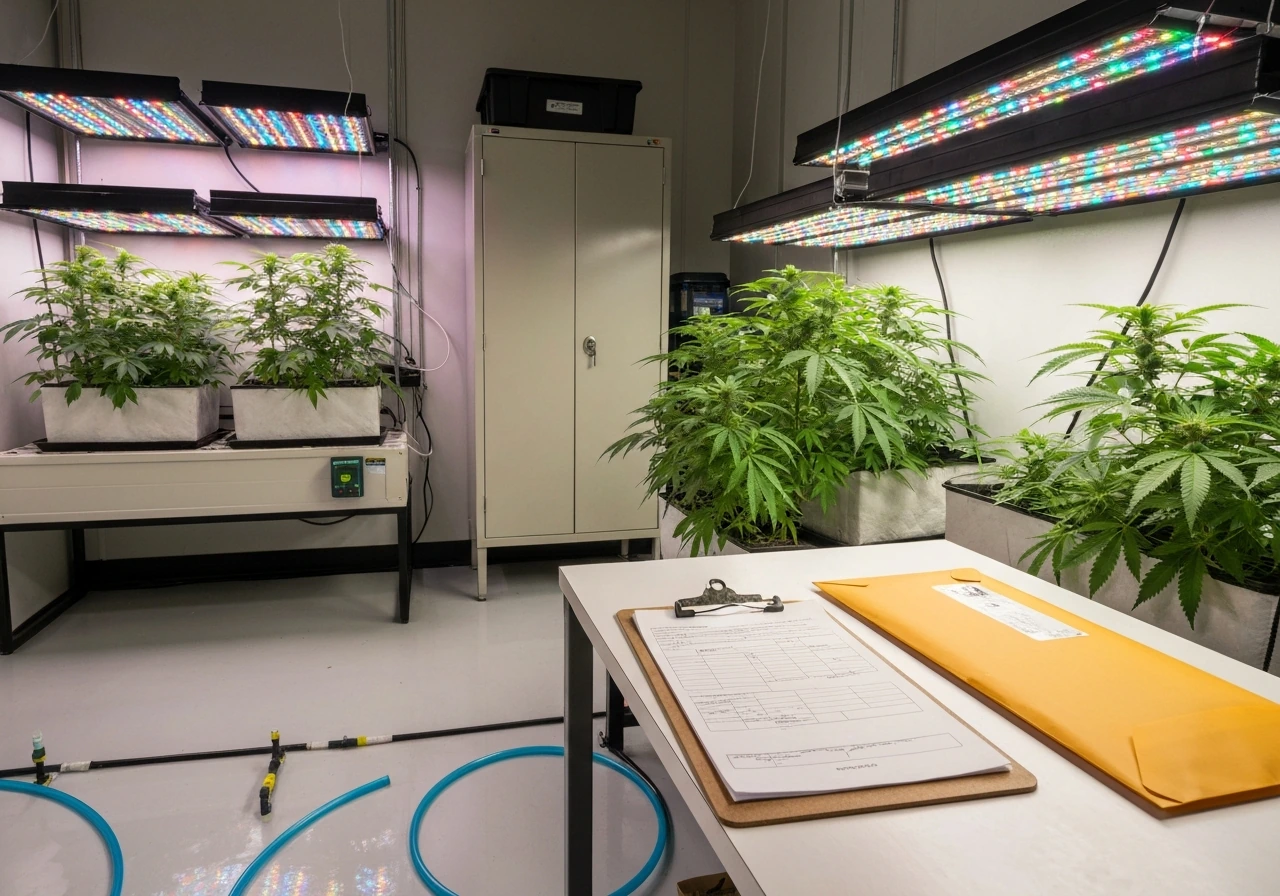
Check Washington eligibility and pick the right license type
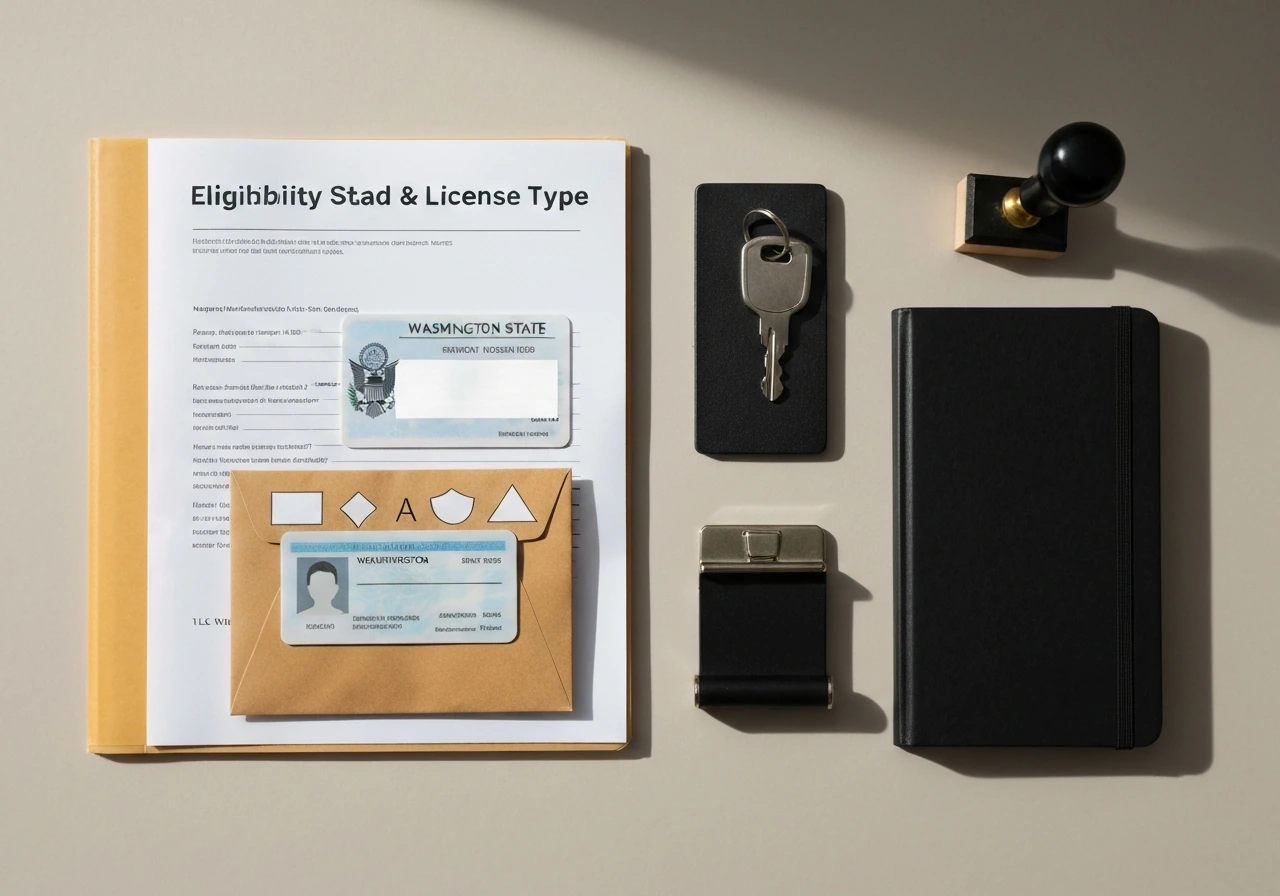
Before you spend time on paperwork, make sure you actually qualify. Washington has a few hard eligibility rules that disqualify a lot of people before the application even starts.
Residency and business formation requirements
You must have lived in Washington State for at least six months before applying. This is not flexible. If you moved to Washington recently and want to open a cultivation operation, you will need to wait until you hit that six-month mark. On top of that, any business entity applying for a cannabis license must be formed in Washington and registered with the Washington Secretary of State's Office. An LLC formed in Nevada or a corporation registered in Delaware will not work. You need a Washington-formed entity.
True parties of interest

Under WAC 314-55-035, the LCB looks at everyone who has a financial interest in the business, not just the person filling out the application. These are called "true parties of interest" (TPIs), and every single one of them must independently meet the eligibility requirements. That means all owners, partners, members with financial stakes, and certain managers need to be Washington residents for six months, meet the financial qualification standards, and pass a background check.
The Washington State Liquor and Cannabis Board’s Cannabis Licensing FAQ notes that true parties of interest must meet and maintain the Washington State residency requirement referenced in WAC 314-55-035 true parties of interest must meet and maintain Washington residency requirements. If one TPI does not qualify, the whole application can be denied.
Background checks and disqualifying factors
Under WAC 314-55-040, the LCB runs background checks on all applicants and renewals. Under WAC 314-55-040, the LCB requires background checks for cannabis applicants and licensees background checks on all applicants and renewals. A criminal conviction does not automatically disqualify you, but the LCB weighs the nature of the crime, how long ago it happened, and whether it relates to the cannabis business. Felony drug trafficking convictions and crimes involving dishonesty tend to be the most problematic. Be honest on your application. Attempting to hide a conviction will hurt you far more than disclosing it upfront.
Which license type do you actually need?

Washington's commercial cannabis license structure breaks cultivation into tiers based on canopy size. The Cannabis Producer license comes in three tiers:
| License Tier | Maximum Canopy (Indoor) | Maximum Canopy (Outdoor) | Notes |
|---|---|---|---|
| Tier 1 | 2,000 sq ft | 10,000 sq ft | Smallest operations, lowest fees, most restrictions on vertical integration |
| Tier 2 | 10,000 sq ft | 30,000 sq ft | Mid-scale operations, moderate fees |
| Tier 3 | 30,000 sq ft | Up to 3 acres (mixed use) | Largest commercial grows, highest fees and compliance burden |
Choose your tier based on your realistic planned canopy size, not your aspirational one. Starting at Tier 1 and upgrading later is a legitimate strategy that keeps your initial compliance burden and fees manageable. You can also hold both a producer and a processor license if you plan to process your harvest into extracts or products, but those require separate applications.
Pre-application steps: legal setup, locality rules, and site readiness
Do not open the LCB's online application portal until you have completed these steps. Submitting too early without a compliant site and proper business formation just wastes time and creates problems you will have to fix later.
Form and register your business entity
Form your LLC, corporation, or partnership in Washington State and register it with the Washington Secretary of State. You will need a UBI (Unified Business Identifier) number, which you get when you register. Keep your formation documents, operating agreement, and any partnership agreements organized because you will upload them during the application.
Check local zoning and get jurisdiction sign-off
This is the step most first-time applicants underestimate. Washington cities and counties have the authority to ban or restrict cannabis businesses within their limits, and many have done exactly that. Before you sign a lease or buy a property, contact your local planning or zoning office and confirm that cannabis production is allowed at that specific address. The LCB requires a completed city or county form confirming local approval as part of your application. If your local jurisdiction bans cannabis businesses, you cannot get a state license for that address, full stop.
Confirm buffer zone compliance
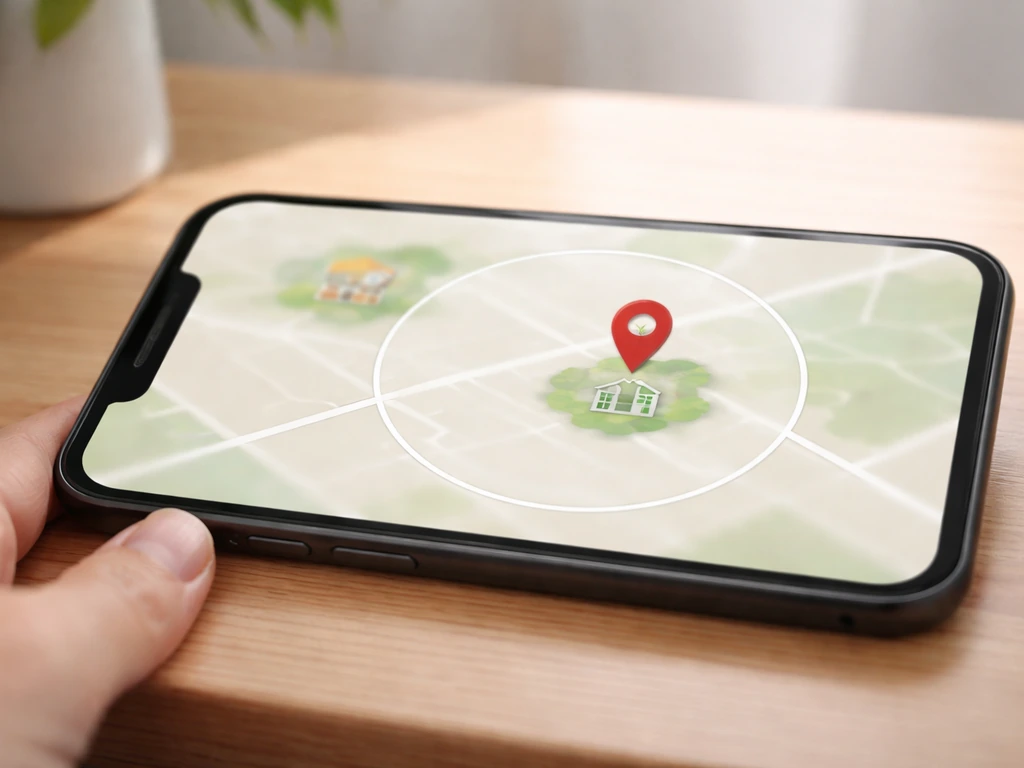
Your premises must be at least 1,000 feet from certain sensitive locations, including elementary and secondary schools, playgrounds, recreation centers, child care centers, public parks, public transit centers, libraries, and game arcades that admit minors. The LCB measures this distance from the property line of your proposed location to the property line of the restricted facility. Check this carefully before committing to a location.
Get your premises ready
You need a physical premises identified and under your control (lease or ownership) before you apply. The premises needs to be a defined, enclosed, and locked space. You will need to draw up a detailed premises diagram showing the property lines, all entrances and exits, where canopy will be located, where security cameras will be placed, and where the retail or processing areas are (if any). This diagram does not need to be done by an architect, but it needs to be accurate and to scale.
Create your Washington licensing account and submit the application
Washington uses the LCB's online licensing portal called the Cannabis Licensing System. Everything is submitted electronically.
- Go to the Washington LCB's official website and navigate to the Cannabis Licensing section. Create a user account in the Cannabis Licensing System if you do not already have one.
- Start a new application and select 'Cannabis Producer' as your license type, then choose your tier (Tier 1, 2, or 3).
- Enter your business entity information exactly as it appears in your Secretary of State registration. Your UBI number will be verified against state records.
- Add all true parties of interest. Each TPI will need to complete their own disclosure section, including personal identifying information for the background check. Everyone needs their own login credentials in the system.
- Enter your premises address and upload your premises diagram. The system will flag if the address appears to be within a restricted buffer zone, but do your own check beforehand.
- Upload your supporting documentation (see the next section for the full list).
- Upload the completed city or county approval form signed by the local jurisdiction.
- Pay the application fee through the portal. The fee is non-refundable.
- Submit. You will receive a confirmation and a case number. Write that down.
The application itself is fairly detailed, but the portal walks you through each section. The biggest mistake people make is submitting before they have all their documents ready, which causes delays when the LCB comes back asking for missing materials.
Fees, plant limits, and what you need to provide
Application and license fees
Washington LCB fees are structured by tier and are split into an application fee (paid when you submit) and an annual license fee (paid when you are approved and at each renewal). Fees are set by the LCB and subject to change, so confirm the current amounts on the LCB website before you apply. As of 2026, producer license fees run in the range of several hundred to a few thousand dollars depending on tier. None of the fees are refundable if your application is denied.
Canopy and plant limits
Washington regulates cannabis cultivation by canopy size, not plant count. Your license tier defines the maximum square footage of plant canopy you are allowed to maintain at any time. Canopy means the area where mature plants are growing, measured from the outermost edge of the plant. You are responsible for accurately tracking and reporting your canopy, and staying within your licensed limit is a core ongoing compliance obligation.
What to include in your application
- Washington Secretary of State registration and business formation documents (articles of incorporation, LLC operating agreement, partnership agreement, etc.)
- UBI number for the business entity
- Personal information for all true parties of interest (full legal names, dates of birth, Social Security numbers for background checks, contact information)
- Completed premises diagram drawn to scale, showing canopy areas, security camera placement, entrances/exits, and storage areas
- Proof of premises control: signed lease agreement or property deed showing you have the right to occupy the space
- Completed city or county form showing local jurisdiction approval
- Security plan: description of how the premises will be secured, including camera coverage, alarm systems, and access controls
- Financial source of funds disclosure: where is the startup capital coming from? The LCB wants to confirm funds are not from illegal sources
- Compliance and operational plan: a written description of how you will operate, track inventory, prevent diversion, and comply with LCB rules
Timeline: what happens after you submit
Washington's cannabis licensing review is not fast. Realistically, plan for several months from submission to approval. The exact timeline depends on application volume, how complete your application is, and whether your background checks surface anything that requires additional review.
Initial completeness review
The LCB first checks whether your application is complete. If anything is missing, they will send you a deficiency notice and you will have a set amount of time to respond. Missing the response deadline can result in your application being closed. Check your email and the licensing portal regularly after submission.
Background check processing
Background checks run on all TPIs simultaneously. If anyone has a complex history that requires more investigation, this can add weeks to the timeline. The LCB may reach out directly to applicants during this phase with questions.
Premises inspection
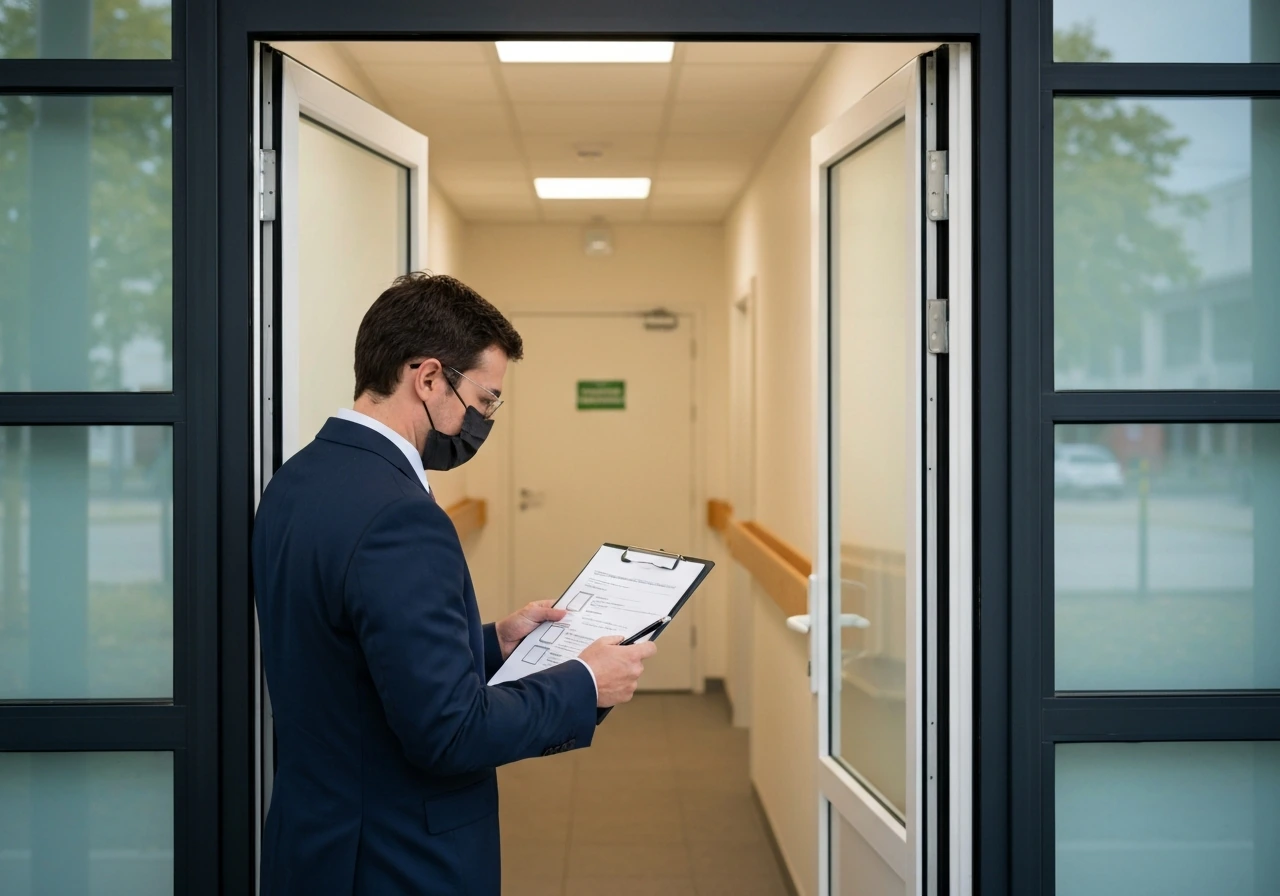
Before your license is issued, an LCB compliance officer will inspect your premises to verify that what you described in your application actually matches the physical space. They check that your security systems are installed and functional, that the canopy area matches your diagram, and that the facility is actually capable of operating as described. Do not build out your grow space and then let it sit idle. Have it set up and ready to show when the inspector arrives.
Approval or denial
After background checks and inspection are cleared, the LCB issues a decision. If approved, you will pay your annual license fee and receive your license. If denied, you will receive a written explanation and information about your appeal rights. Denials can be appealed through the LCB's administrative process.
After you're approved: operating rules, renewals, and staying compliant
Getting the license is step one. Keeping it requires ongoing, active compliance with LCB rules. This is where a lot of producers run into problems, so take this section seriously.
Traceability and inventory reporting
Washington requires all licensed cannabis producers to use a state-approved traceability system (BioTrackTHC) to track every plant from propagation through harvest and sale. A r/weedbiz thread discusses real-world Washington blank" rel="noopener noreferrer">seed entry and traceability compliance concerns people run into when working through BioTrackTHC and related procedures. Every transaction, every plant tag, every transfer must be logged in the system. Gaps in your traceability records are a major compliance red flag and a common source of violations.
Canopy compliance and staying within your tier
You cannot exceed the canopy limit for your license tier. If you want to expand, you need to apply for a tier upgrade before you increase your canopy. Growing beyond your licensed limit while waiting for an upgrade to be approved is a violation.
Security requirements
Your security system needs to remain fully operational at all times. Cameras must cover all canopy areas, entrances, and exits. Footage must be retained for a minimum period (check current LCB rules for the exact retention requirement). Access to the premises must be limited to authorized personnel, and you need to maintain visitor logs.
Annual renewal
Washington cannabis producer licenses must be renewed annually. The LCB will send renewal notices, but it is your responsibility to renew on time. The renewal process includes paying the annual fee, confirming that your information is still accurate, and passing any required background check updates. Operating with an expired license is a serious violation that can result in license revocation.
Changes that require LCB notification or approval
You cannot make certain changes to your business without notifying or getting prior approval from the LCB. These include adding or removing true parties of interest, changing your premises location, structural changes to the licensed area, and changes to your business entity structure. Notify the LCB before making these changes, not after.
Compliance inspections
Even after you are licensed and operating, the LCB can conduct unannounced compliance inspections at any time. Inspectors will check your traceability records, security systems, canopy size, and facility conditions. The best way to handle inspections is to run your operation every day as if an inspector is walking in. That mindset eliminates most of the common violations.
A note on official resources and legal advice
Everything in this guide is based on Washington LCB rules and Washington Administrative Code (WAC) as of May 2026, but cannabis licensing rules change. Fee amounts, canopy limits, application procedures, and traceability requirements can all be updated by the LCB. Always verify the current requirements directly on the Washington LCB's official website before you submit anything. This guide is regulatory information to help you understand the process.
It is not legal advice. If your situation involves complex ownership structures, criminal history questions, or prior license issues, talking to a Washington-licensed attorney who specializes in cannabis law is worth the investment. If you are instead asking about Maryland, the process and rules are handled by Maryland’s licensing authorities, so you should look up the current state requirements for a grower license there how to get a grow license in maryland.
If you are looking at how other states approach this, the processes in states like Maryland and Louisiana share some similarities with Washington's commercial licensing framework, but the specific requirements, fees, and canopy rules differ significantly.
FAQ
Can I get a grow license in Washington if I only want to grow for myself or barter with friends?
No. Washington does not provide a legal home-cultivation pathway (for recreational or medical use). To grow legally you generally need a Cannabis Producer license, meaning you are operating as a commercial business under LCB rules and licensing, including traceability and security requirements.
I own a share in a cannabis business, do I still have to meet the Washington resident and background-check rules even if I am not the person filing the application?
Yes. The LCB treats people with a financial stake as “true parties of interest,” and each TPI must meet eligibility requirements independently, including the Washington residency duration and background-check standards. If any TPI does not qualify, the application can be denied.
What happens if I recently moved to Washington and I have not hit the full six-month residency requirement yet?
The LCB will generally not approve licensing based on partial residency. The practical approach is to delay submitting until every required TPI (and the business entity, formed in Washington) can meet the residency rule, since submitting early can lead to delays or denial.
Does my company have to be formed in Washington before I apply, or can I form it after?
Forming first is the safer route. The license application requires a Washington-formed business entity registered with the Washington Secretary of State and you need the UBI number from that registration. Trying to apply before the entity is properly created can create immediate application deficiencies.
Can I use a family member’s property for the grow location, as long as we plan to lease it or share access?
Potentially, but the premises must be under your control (typically via a lease or ownership) and the space must be defined, enclosed, and locked. You also need a premises diagram that matches the real location, and local zoning approval may depend on the address and the arrangement, not just your intent.
How strict is the 1,000-foot distance rule, can I measure it loosely?
It needs to be measured carefully using property lines, not landmarks or street distance. If your proposed site is within the restricted buffer of any qualifying sensitive facility, local eligibility can fail for the address, and the LCB generally requires you to confirm local approval as part of the process.
Do I need to be fully built out before applying, or can I apply while construction is planned?
You generally need a premises that is identified and under your control before applying, and you must submit an accurate, scaled premises diagram. During inspection, the LCB verifies what you described, including security systems and canopy layout, so arriving at inspection with no functional setup can create problems.
What are the most common reasons the LCB sends a deficiency notice after submission?
The most frequent causes are submitting with missing or inconsistent documents, or having information that does not match the premises diagram or business entity details. Build a “document checklist” before you open the portal and double-check that uploads are complete and consistent across sections.
How does the LCB decide my grow tier, can I start small and then increase later without changing anything?
Your tier is tied to the canopy size you plan to maintain, and you are not allowed to exceed that licensed canopy limit. If you want more canopy, you must apply for a tier upgrade before increasing canopy, and operating beyond the limit while waiting is treated as a compliance violation.
What if BioTrackTHC reporting is delayed or I make a tagging mistake, does it automatically mean I am in violation?
Traceability gaps are a major red flag and are a common source of enforcement, so you should have operational controls that prevent missing logs. Consider creating a process to reconcile canopy, harvest batches, and transfers regularly so issues are caught quickly rather than discovered during inspection.
If the LCB approves my license, when can I start operating and selling?
Approval and issuance allow you to operate as licensed, but you still must ensure your facility matches your approved plans and that required operational systems are in place, especially security and traceability workflows. If you start operating inconsistently with what was described in the application, that can create inspection and compliance risk.
What are the consequences of letting my license renewal lapse even for a short time?
Operating with an expired license is treated seriously and can lead to revocation. A practical safeguard is to calendar renewal deadlines early, assign responsibility for fee payment and updates, and verify any background-check updates in time to avoid last-minute delays.
Can I change owners or managers after I get licensed, or add/remove a true party of interest later?
You cannot assume changes are “automatic.” Certain changes, including adding or removing true parties of interest, changing the premises location, and structural changes to the licensed area, require notice and in some cases prior approval from the LCB before you implement them.
How long should I plan for approval, and how do I reduce timeline delays?
Expect several months from submission to approval. The biggest time reducer is submitting a complete, consistent application the first time, with all required uploads and a premises plan that matches the real location, since missing items trigger deficiency notices and extend review.
What should I do if the LCB denies my application?
Denials come with written reasons and appeal rights. Before appealing, review the specific basis for denial, correct the underlying qualification or documentation issue, and ensure your response addresses the LCB’s concerns directly, since appeals are not just a “resubmit later” process.
Next Article
How to Get a Grow License in Maryland Step by Step
Step-by-step Maryland cannabis cultivation licensing guide for growing medical weed, fees, timelines, eligibility, and a