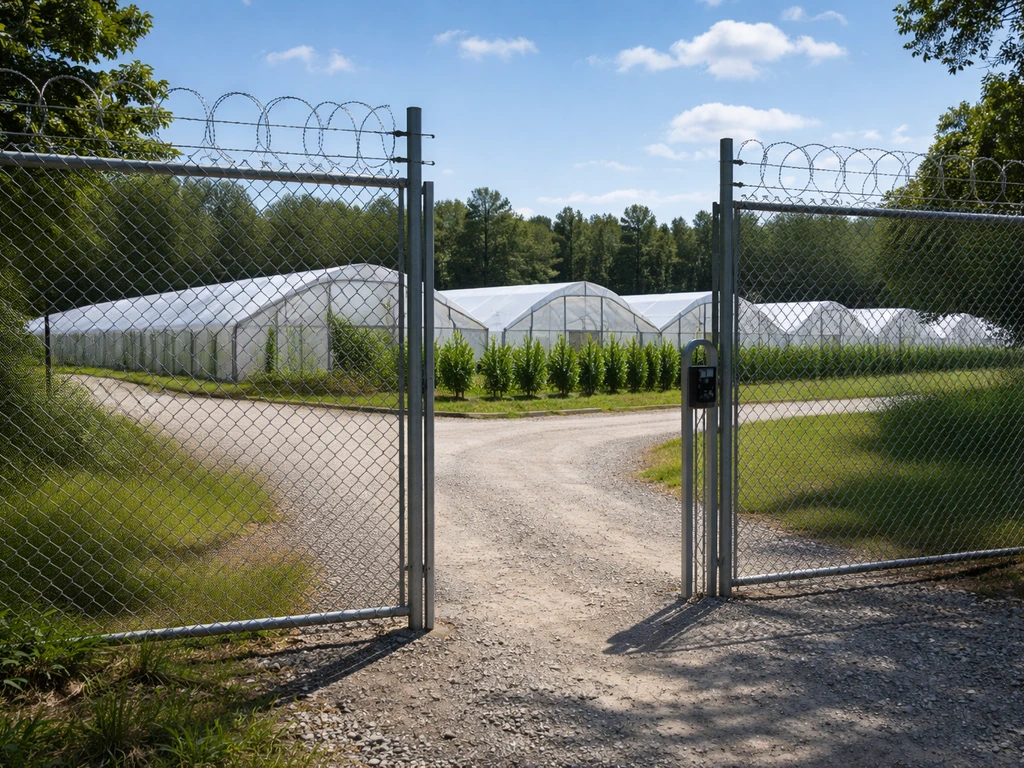
To legally grow more than 6 cannabis plants in California, you need either a state-issued commercial cultivation license from the Department of Cannabis Control (DCC) plus local authorization, or in some cases a qualifying medical patient or caregiver status under the Compassionate Use framework. There is no permit that simply lets a recreational adult "upgrade" their home grow from 6 to, say, 12 plants. If you are trying to grow close to 99 plants, you will need to look at the commercial licensing and local authorization process rather than relying on a basic upgrade to your home grow. The 6-plant cap is baked into state law for personal use, and exceeding it means moving into a licensed commercial framework or fitting within a specific medical exemption.
How to Legally Grow More Than 6 Plants in California

The 6-plant baseline and what it actually means
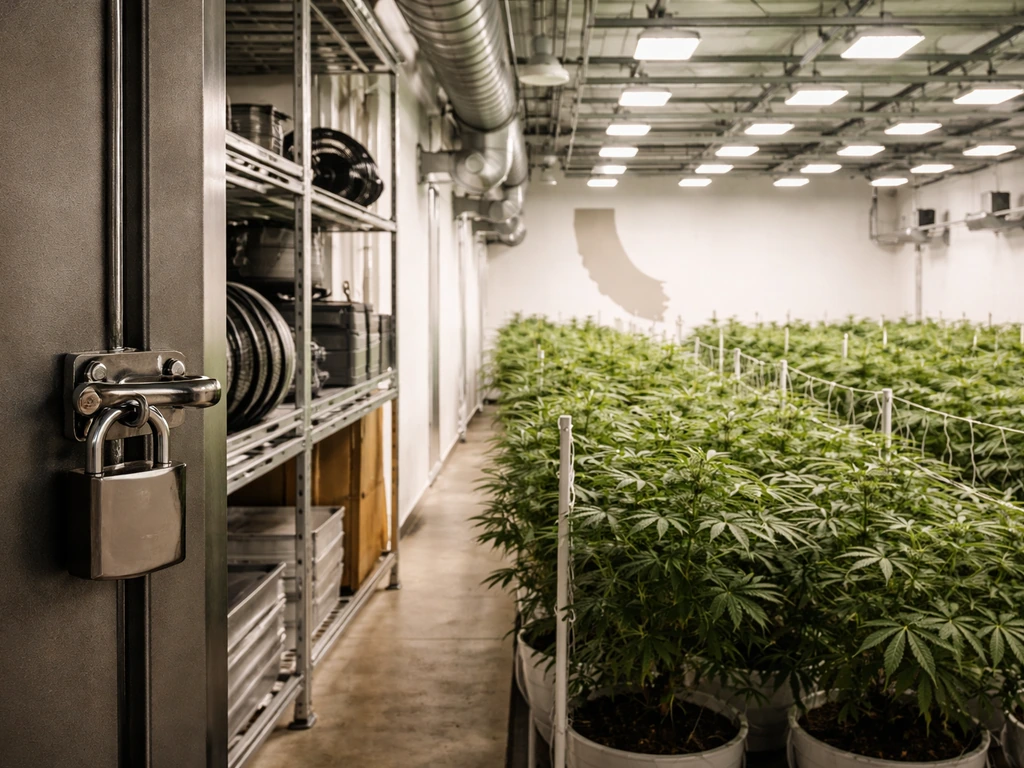
California's personal-use plant limit comes from Health and Safety Code section 11362.2. If you're 21 or older, you can grow up to 6 living cannabis plants in a private residence or a fully enclosed, secured accessory structure on the same property. The plants must be in a locked space and not visible from a public place by normal unaided vision. This is the baseline that applies to every adult in the state regardless of local rules, with one important caveat: local governments can restrict or ban home cultivation entirely. Sacramento's city code, for example, directly mirrors the state's 6-plant cap and makes it the local ceiling as well.
The 6-plant limit is per residence, not per person. So if three adults live in the same house, you still can't have 18 plants. The residence gets 6 plants total. That detail trips up a lot of people.
There is a separate medical framework under HSC section 11362.77. A qualified patient or their primary caregiver may maintain up to 6 mature plants or 12 immature plants per qualified patient. This can allow slightly more plants in specific circumstances, but it's tied directly to documented medical need, not general preference.
What actually authorizes more than 6 plants

There are two realistic paths to exceeding the 6-plant limit legally in California today.
Path 1: Medical patient or primary caregiver status
If you are a qualified patient under California's medical cannabis law, or you are the designated primary caregiver for a qualified patient, the plant count can exceed the recreational baseline. HSC 11362.77 allows up to 6 mature or 12 immature plants per qualified patient. If you're a caregiver serving multiple patients, that number can stack. This path doesn't require a DCC license, but it does require verifiable patient status (a physician's recommendation and, ideally, a county-issued MMIC card), proper documentation kept on-site, and compliance with the same physical security requirements: locked, not publicly visible. This route is personal-use only and produces no sellable product.
Path 2: DCC commercial cultivation license
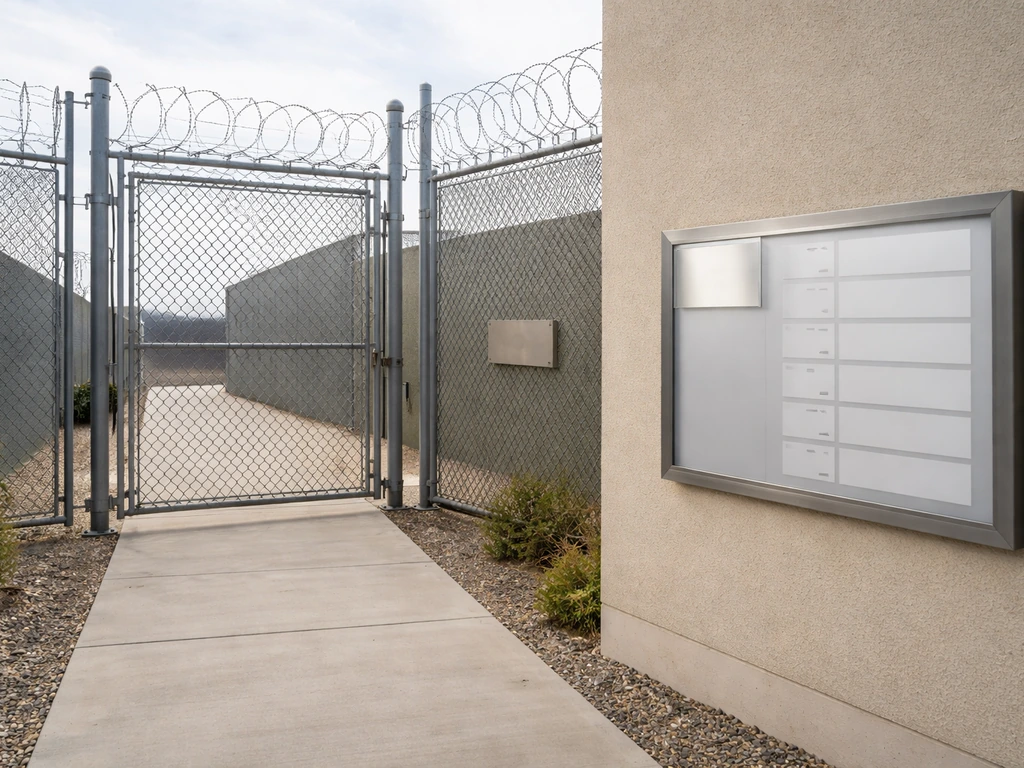
If you want to grow beyond what the medical framework allows, or if you want to sell any of what you grow, you need a commercial cultivation license from the DCC. This is the main path for anyone serious about scaling up. A commercial license removes the personal plant cap entirely, replacing it with the plant count and canopy size specified in your license tier. This requires both a state license and local authorization from the city or county where you'll be growing.
Choosing the right license type vs. sticking with medical cultivation
The right route depends almost entirely on your goals. Here's a plain comparison.
| Factor | Medical Patient/Caregiver Route | DCC Commercial License |
|---|---|---|
| Plant limit | Up to 6 mature or 12 immature per qualified patient | Defined by license tier and canopy size |
| Can you sell? | No | Yes (with correct license) |
| State license required? | No | Yes |
| Local permit required? | Varies by locality | Yes, always |
| Track-and-trace required? | No | Yes (METRC system) |
| Surety bond required? | No | Yes, minimum $5,000 per premises |
| Ongoing compliance burden | Low to moderate | High |
| Who it's for | Medical patients or caregivers growing for personal medical use | Anyone growing to sell or growing at commercial scale |
If you're a qualifying patient who just wants more plants for personal medical use, the medical route is simpler and far less costly. If you have any ambition to sell, gift, or scale up in a meaningful way, you need the commercial license. There's no middle ground in California's current regulatory framework.
What compliance looks like when you exceed 6 plants
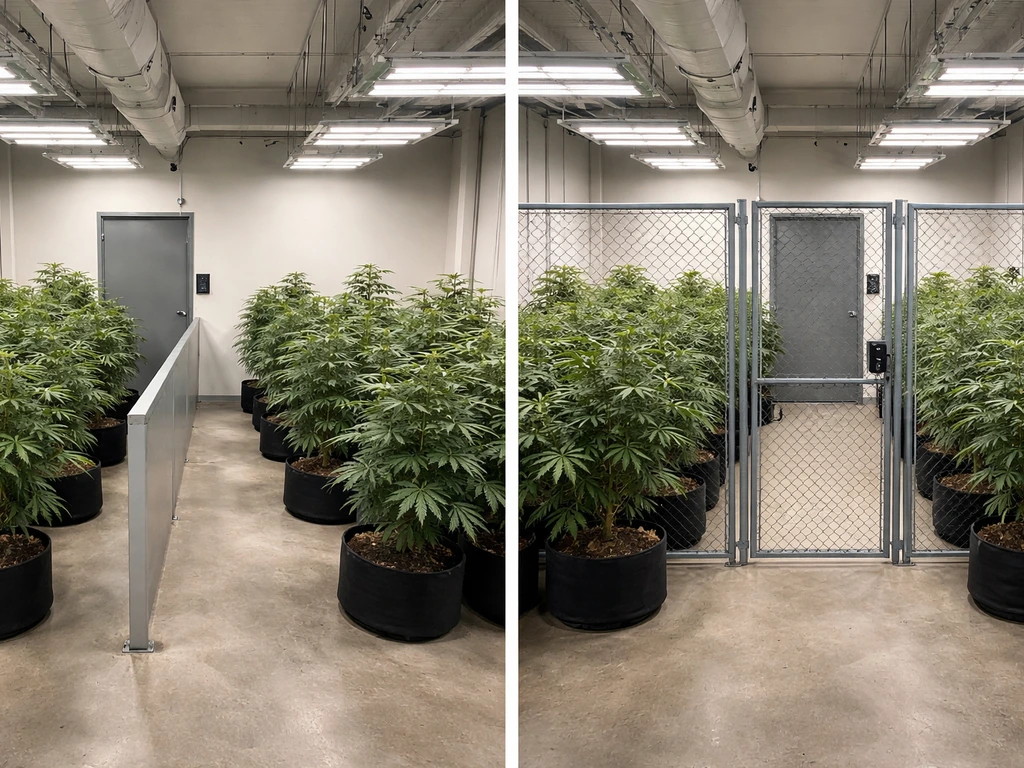
Once you're operating under a commercial cultivation license, the compliance requirements shift significantly. Here's what you're signing up for.
Premises and physical security
Your grow site must match an approved premises diagram filed with the DCC. You cannot modify the premises layout without prior DCC approval. The site must meet physical security standards appropriate to a licensed cannabis operation, which typically means controlled access, security cameras, and perimeter security, though specifics vary by license type and local ordinance.
Track-and-trace
All licensed commercial cultivators in California must use the California Cannabis Track-and-Trace (CCTT) system, which runs on METRC software. This launched in January 2018 and is not optional. Every plant, harvest batch, and transfer must be logged. If you've never used METRC, plan time to learn it before you need to be in compliance.
Environmental permits
If your cultivation site is near a waterway, you may need a Lake and Streambed Alteration (LSA) Agreement from the California Department of Fish and Wildlife, or written verification that one isn't required. This is submitted through CDFW's EPIMS system and can take time to resolve, so don't leave it to the last minute.
Pesticide compliance
The DCC's cultivator application checklist includes an attestation that you've contacted your County Agricultural Commissioner before using any pesticides on cannabis. California has specific rules about which pesticides are legal for cannabis cultivation, and ignorance is not a defense. Check with your county ag commissioner early.
Surety bond
Every annual commercial cultivation license requires a surety bond of at least $5,000 payable to the State of California for each licensed premises. This is not a deposit you get back; it's an ongoing bonding requirement. Budget for it.
How to apply and get approved in California right now
This is the step-by-step process as it stands today. The Department of Cannabis Control (DCC) CLS application guidance says the application process includes premises information, water supply, power source, local authorization, required documents, application review, and issuance or printing of licenses. It applies to commercial cultivation licenses through the DCC.
- Confirm your local jurisdiction allows commercial cannabis cultivation. Before you do anything else, call or check online with your city or county. Many California localities ban commercial cultivation outright. If your jurisdiction doesn't allow it, the state won't issue you a license there.
- Get your local permit or authorization first. California requires both a state license and local authorization. Contact your city or county planning or cannabis office, ask what local license, permit, or authorization is required, and complete that process. You'll need proof of local authorization to submit your state application.
- Create an account in the DCC's Cannabis Licensing System (CLS). Go to DCC's official website and create your CLS account. This is where your entire state application lives.
- Complete the application in the CLS. You'll need to provide: the premises address and Assessor's Parcel Number (APN), your local authority type (city or county) and proof of local authorization, premises information including a compliant premises diagram, water supply and power source documentation, your ownership and personnel information, a pest management plan, and payment of the application fee.
- Attach all required supporting documents. After submitting the initial application, you can open the application record in CLS to attach additional documents. The DCC reviews applications in the order received, so submit promptly and completely.
- Secure your surety bond. Obtain a surety bond of at least $5,000 per premises, payable to the State of California, and submit proof with your application materials.
- Resolve any environmental requirements. If your site is near a waterway, submit your LSA request or no-LSA verification through CDFW's EPIMS system. Do this in parallel with your state application, not after.
- Prepare for and pass inspection. Use the DCC's self-inspection checklist to prepare your premises before any official inspection. Key areas: inventory management, track-and-trace setup in METRC, premises documentation, and operational compliance.
- Receive your license and begin operations. Once approved, print your license from CLS and post it on-site as required. You are now authorized to cultivate at the scale specified in your license.
Common pitfalls that derail growers
Assuming the state license is enough
This is the most common and most costly mistake. California requires both a state license and local authorization. If you have a DCC license but your city or county hasn't approved your location, you are not legal. Local governments have independent authority to regulate or prohibit cannabis cultivation, and many use it aggressively.
Changing your premises without DCC approval
Adding a new room, expanding your canopy, or relocating any cultivation activity on your licensed premises requires prior DCC approval. You cannot modify the licensed premises diagram on your own and stay compliant. People get caught on this regularly during inspections.
Gaps in track-and-trace recordkeeping
METRC logs must be current and accurate at all times. Missing entries, untagged plants, or discrepancies between physical inventory and METRC records are serious violations. If you're new to METRC, take the training seriously and set up reliable daily logging habits before you plant anything.
Skipping the pesticide check
Using a pesticide on cannabis that isn't cleared for cannabis use in California is a compliance violation and a public health issue. Don't guess. Contact your County Agricultural Commissioner before you use anything, and document that you did.
Underestimating the local process timeline
Local permitting can take months in some jurisdictions. In others, there may be a cap on the number of local licenses issued, or a moratorium in place. Don't assume you can start growing and sort out the paperwork later. Start the local process first, and count on it taking longer than expected.
Where to verify current plant limits and application details
Regulations and fee schedules change. Always verify current requirements directly from official sources before starting an application. Here's where to look.
- DCC official website (cannabis.ca.gov): Current license types, application checklists, CLS user guides, premises diagram requirements, self-inspection checklists, and track-and-trace guidance all live here. This is your primary source.
- Your city or county cannabis office: Search for your local jurisdiction's cannabis licensing or planning department. Ask specifically whether commercial cultivation is permitted in your zone and what local authorization is required.
- California Legislative Information (leginfo.legislature.ca.gov): For the current text of HSC 11362.2 and 11362.77, which govern the personal-use and medical-use plant limits.
- California Department of Fish and Wildlife (wildlife.ca.gov): For LSA agreement requirements and the EPIMS submission process if your grow site is near any waterway.
- County Agricultural Commissioner: For guidance on legal pesticide use on cannabis in your specific county before you finalize your pest management plan.
If you're looking at growing 99 or more plants specifically, the licensing structure and canopy tier considerations get more specific and the regulatory complexity increases further. That's a distinct path worth researching separately once you have the fundamentals of the DCC commercial licensing process down.
One last thing worth saying clearly: this is general regulatory information to help you understand the landscape, not legal advice. California's cannabis law is layered and your specific situation, location, and goals matter enormously. Once you've used this guide to get oriented, talking to a cannabis business attorney or compliance consultant before you submit your application is a genuinely worthwhile investment.
FAQ
Is the 6-plant limit the same for every city and county in California, or can local rules make it stricter?
The state baseline is 6 plants per residence, but local governments can restrict or ban home cultivation entirely. Before relying on the state limit, confirm whether your city or county has ordinances on cultivation, zoning, and enforcement, because local restrictions can override your ability to legally grow even if you stay under 6.
Does “per residence” mean per house on my property, or per address?
It is tied to the residence, not the number of adults living there. If you have multiple structures on one parcel, the legality depends on whether each structure qualifies as a locked, accessory structure on the same property under the state’s physical and visibility rules. When the layout is unclear, you should treat it as one residence total unless your situation is clearly documented.
Can I temporarily exceed 6 plants to take a cutting plan or start seedlings and then reduce to 6 later?
Possessing more plants than allowed is still a legal issue, so “plan later” reductions are not a safe strategy. If you are relying on the personal-use cap, you should structure your germination and cutting schedule so your actual living plant count never exceeds the limit (and comply with the locked and not publicly visible requirements).
If I’m a qualified medical patient, do my plants have to be used only for me, and can I share with others?
The medical framework is tied to documented medical need for the qualified patient, and the product is not a general-purpose substitute for sales or broad distribution. Sharing, gifting outside the permitted caregiving context, or mixing with others’ cultivation can create legal risk. Keep clear records that connect the plants and harvest to your qualifying patient status.
What happens if I’m a caregiver for multiple patients, can the plant counts fully stack?
In general, the medical plant limits can increase with additional qualified patients under a caregiver role, but the increase is not automatic. You must be able to verify each patient relationship and maintain compliant documentation. If your records do not support the caregiver claims, enforcement risk increases even if the plant total would otherwise fit the math.
If I apply for a commercial cultivation license, can I start growing once my application is submitted?
Usually not. In most situations, you need both state authorization and local authorization before cultivation begins. Starting early, even if you are “waiting on approval,” is a common compliance failure because METRC, premises approval, and local site sign-off are tied to when you are actually authorized.
Do I need to be licensed to grow more than 6 plants if I never sell the harvest?
If you exceed the personal-use cap, you are typically either within the medical framework or you must move into the commercial licensing track. Not selling does not automatically put you back under the personal-use limit, because the legal issue is possession and cultivation beyond what your status allows.
For a commercial grow, can I change the grow room size, number of plants, or layout after approval?
No. Your premises diagram and the approved layout are part of your authorization, and changes generally require prior approval from the DCC. Even expanding a room or reconfiguring where plants are located can trigger the need for an updated approved premises package.
How strict is track-and-trace accuracy, can minor mistakes be corrected later?
METRC requirements are time-sensitive, and persistent discrepancies are treated seriously. Instead of fixing errors later, build a daily workflow for logging plant counts, transfers, and harvest batches, including a process for reconciling what is physically present against what METRC shows at the end of each day.
If my site might be near a waterway, when should I handle the LSA requirement?
Do it early, because responses and written verification through the relevant permitting process can take time. Build the timeline into your site selection and application plan so you are not stuck waiting after you have invested in premises work or equipment.
How do I avoid pesticide compliance problems in practice?
First, do not guess. Ask your County Agricultural Commissioner before applying any product, verify it is allowed for cannabis cultivation, and keep documentation of approvals or guidance. Also train staff on what they can and cannot apply, because a single unsanctioned product application can create a compliance incident.
What surety bond requirement should I expect for commercial licenses?
Commercial premises require an ongoing surety bond per licensed premises, it is not a refundable deposit. Budget for it as a continuing cost and make sure you understand the renewal cadence so your license does not lapse due to bonding timing issues.
What are common early-stage mistakes that cause denials or enforcement actions?
Two frequent ones are (1) having state authorization without local authorization, and (2) assuming you can start or modify operations before approvals are finalized. Also, people underestimate the operational changes needed for METRC, including training and daily logging discipline, which can cause avoidable violations.
If I want 99 plants, is it just a bigger version of the 6-plant rules?
No. At that scale you are generally in commercial territory with much higher compliance complexity, including license tier requirements, premises approval, and track-and-trace obligations. Treat 99 plants as a separate project plan that starts with local authorization and a commercial licensing path, not an upgrade from home cultivation.
How to Get a Permit to Grow 99 Cannabis Plants
Step-by-step US guide to legally permit up to 99 cannabis plants, including plant-count rules, licensing, documents, and