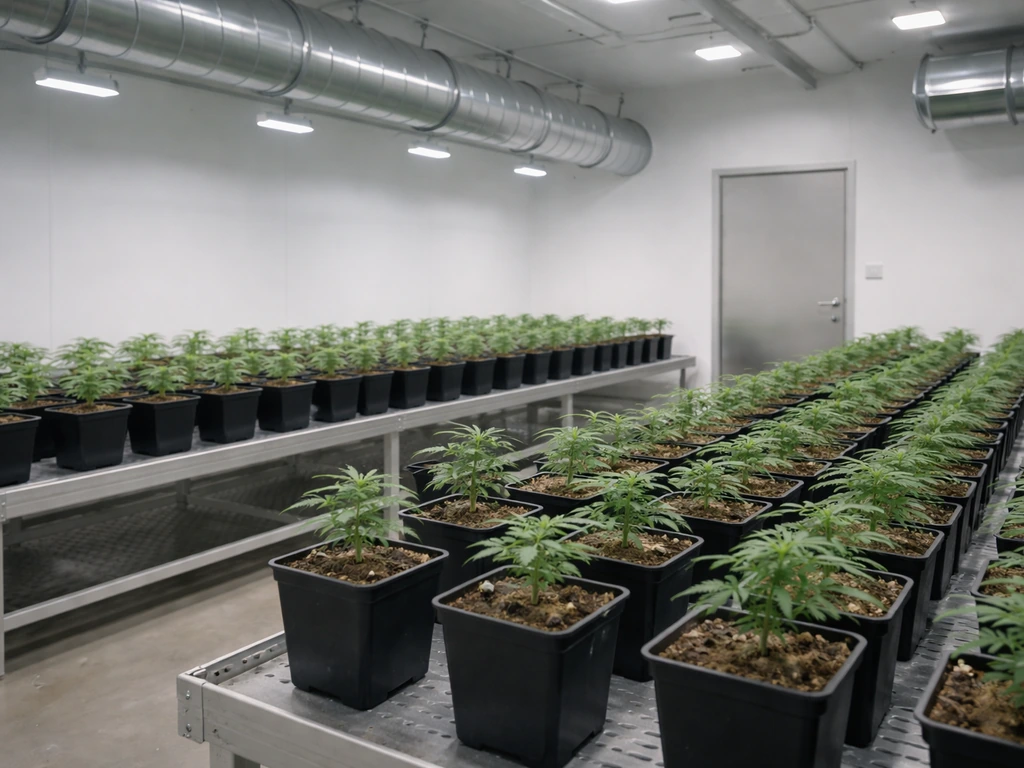
There is no single federal permit that lets you grow 99 cannabis plants in the US. What you actually need depends entirely on your state and often your city or county too. California’s Department of Cannabis Control explains that cannabis businesses are allowed only in a patchwork of locations determined by state law plus local government rules and decisions blank" rel="noopener noreferrer">local government rules/decisions. In most states, 99 plants falls somewhere between a home grow limit and a small commercial cultivation license, and the rules around which pathway applies, what counts as a "plant," and how to actually apply vary significantly from state to state. This guide walks you through how to figure out which jurisdiction's rules apply to you, what license or permit pathway makes sense, and exactly what to do next. The California Department of Cannabis Control states that if you want to grow cannabis and sell it in the state, you need a cultivation license for commercial cultivation blank" rel="noopener noreferrer">California requires a cultivation license to grow and sell cannabis. Just to be clear upfront: this is practical regulatory guidance, not legal advice. For your specific situation, always verify current rules with your state agency or a cannabis attorney.
How to Get a Permit to Grow 99 Cannabis Plants

Start here: why your jurisdiction matters more than the number 99
The number 99 has a specific reputation in cannabis culture as a threshold just under certain state reporting or enforcement triggers. But in reality, most states don't draw a magic line at 99 plants. Some states cap home grows at 6 plants per person or 12 per household. Others define cultivation limits by square footage of canopy rather than plant count at all. And commercial cultivation tiers might start at a few hundred plants or a few thousand square feet. So before you do anything else, you need to know exactly which state, county, and city rules apply to your grow.
California, for example, requires both a state license and local approval, and local jurisdictions can cap the number of cannabis business permits they issue entirely. Washington state doesn't track plant counts at all for commercial growers. It measures licensed plant canopy in square feet, with Tier 1 covering under 4,000 square feet. Minnesota routes licensing through its Office of Cannabis Management (OCM), which notifies local governments and requests zoning certification. Each of these states has a completely different process, and the 99-plant number may or may not be meaningful in any of them.
Confirm which jurisdiction you're in and why 99 plants matters there
Your first step is simple: confirm the state where your grow site is located, then check whether your county or city has its own cannabis ordinances on top of state law. Many states allow local governments to be more restrictive than the state, so even if your state permits a certain plant count or license tier, your city might not allow cannabis cultivation at all.
Once you know your state, look up what the state's cannabis regulatory agency says about plant limits specifically. Some key questions to answer right now:
- Does your state regulate cultivation by plant count, canopy square footage, or both?
- Is recreational cultivation legal in your state, or is this medical-only?
- Does your county or city allow cannabis cultivation businesses, or have they opted out?
- Is 99 plants a meaningful threshold in your state, or does the licensing tier structure skip over it?
If your state measures by canopy area (like Washington does), the plant count question is essentially the wrong question to be asking. A Washington Tier 1 producer license covers up to 4,000 square feet of plant canopy. How many plants fit in that canopy depends on your grow setup. In canopy-based states, focus on the square footage rules, not a specific plant number.
Check how plant counts are actually defined in your state
This is where a lot of people get tripped up. "99 plants" sounds straightforward, but states define what counts toward a plant limit in very different ways. Before you plan a grow around that number, you need to understand exactly what your state is counting.
| Definition type | What it means | Example states/approaches |
|---|---|---|
| Total plant count | Every plant on the premises counts, including seedlings, clones, and vegetative plants | Many medical caregiver states count all living plants |
| Mature/flowering plants only | Only plants in the flowering stage count toward the limit | Some state home grow rules exclude seedlings |
| Canopy square footage | Limits are set in square feet of grow space dedicated to live plants, not individual plant count | Washington state commercial production (WAC 314-55-075) |
| Household vs. per-person | Limit applies to the entire household or address, not just one individual | California caps apply per residence, not per adult |
| Caregiver patient allotment | A caregiver's plant limit scales with the number of patients they serve | Many medical states allow caregivers to multiply their plant count per patient |
Washington's approach is worth understanding as a model because it illustrates how far plant-count thinking can diverge from actual regulatory reality. The LCB measures "plant canopy" as the square footage actually dedicated to live plant production. Their rules under WAC 314-55-075 tie license tiers to canopy area, and there's no official "99 plant" threshold anywhere in the system. A licensed producer is limited by how many square feet of canopy their license authorizes, not by counting individual plants.
If you're in a state that does use plant counts, read the definitions carefully. Some states exclude seeds and seedlings under a certain size. Others count clones the moment they're rooted. Some count plants per cultivator, while others apply the limit to the physical address. Getting this wrong is one of the fastest ways to unintentionally fall out of compliance.
Figure out which license or permit type applies to your situation
Growing 99 plants almost certainly puts you above typical home grow limits and into some form of licensed cultivation category. Here's how to think about which pathway fits your situation.
Home grow limits (usually not 99 plants)
Most states that allow recreational home cultivation cap it at 3 to 6 plants per adult, with a household maximum that's usually no more than 12. If you're a medical patient, your state might allow more, but 99 plants is rarely within a home grow limit. If that's what you're aiming for as a personal grow, you'll almost certainly need a licensed commercial pathway instead.
Medical caregiver licenses
In many medical cannabis states, a licensed caregiver can grow plants on behalf of registered patients. The plant limit scales with the number of patients you serve, and in some states, serving enough patients could get you close to or past 99 plants total. This is a legitimate pathway if your state allows caregiver cultivation and you're willing to take on the patient registration and recordkeeping that comes with it.
Small commercial cultivation (microbusiness or craft licenses)
Many states now have microbusiness or small cultivator license categories designed for operations that don't need a large commercial footprint. These are often the right fit for someone targeting around 99 plants or a few thousand square feet of canopy. Fees are usually lower than full commercial licenses, but the compliance requirements (security, tracking, inspections) are the same.
Standard commercial cultivation licenses
If your state doesn't have a small cultivator tier that fits your plant count, you may need a standard commercial cultivation license. These typically come in tiers based on canopy size or plant counts and can involve higher fees, more stringent site requirements, and longer application timelines. In Washington, Tier 1 production covers up to 4,000 square feet of canopy and is the entry-level commercial license.
Common eligibility requirements across states
- Must be a legal adult (21+ in most states)
- State residency requirement (Washington requires at least 6 months of residency before applying)
- No disqualifying criminal convictions (varies by state; some allow certain prior cannabis convictions, others don't)
- Must have or be able to secure a compliant physical location
- Must not have an ownership interest in more licenses than the state allows
The actual application process, step by step
Application workflows vary by state, but most licensed cultivation applications follow a similar sequence. Here's the general process, with notes on what differs between states.
- Confirm local zoning approval first. Before you invest time in the state application, verify that your proposed grow site is in a zone that allows cannabis cultivation. Many states (Connecticut, California, Minnesota) require documented local zoning compliance as part of the state license. In some states, the regulatory agency notifies local government and gives them 30 days to respond with a zoning certification before proceeding.
- Identify the correct license type and tier for your plant/canopy target. Check your state agency's website for the license categories available and confirm which one covers your intended grow size.
- Create an account and start your application through the state's online portal. Most states now use online systems exclusively. Washington uses the LCB's online licensing portal. New York and California have their own portals. Don't try to do this by mail if an online system exists.
- Gather your required documents. Typical documents include: government-issued ID, proof of state residency, business entity formation documents (if applying as an LLC or other entity), site diagram or floor plan of your grow space, proof of right to occupy the property (lease, deed, or owner permission letter), security plan, and operating plan describing how you'll track inventory.
- Submit the application and pay the initial filing fee. Fees vary widely. Some states charge a few hundred dollars for an initial application; others charge thousands depending on license tier. In Washington, LCB reviews the application first, then sends a billing statement for fees after the review step.
- Pass the background check. Expect a criminal history check through your state patrol and, in many states, the FBI database. Washington checks both the Washington State Patrol and FBI records. The review looks at conviction types, classes, and timing to determine eligibility.
- Prepare for and pass site inspection. Most states require an inspection of your grow facility before issuing a final license. Inspectors check that the physical space matches your application, security systems are installed, and the site meets all code requirements.
- Receive your license and begin operations. After final approval, you'll receive your license, which is tied to the specific physical address you applied for. You cannot move your operation to a different location without going through a change application process.
Timelines can be frustrating. Expect anywhere from 60 days to over a year from application to approval, depending on your state, whether your local government needs to respond, how complete your application is, and current processing backlogs at the agency. Getting your documents right the first time is the single biggest thing you can control to speed this up.
What compliance looks like after you're approved
Getting the license is step one. Staying licensed is the ongoing job. Here's what most states require once you're operating.
Seed-to-sale tracking
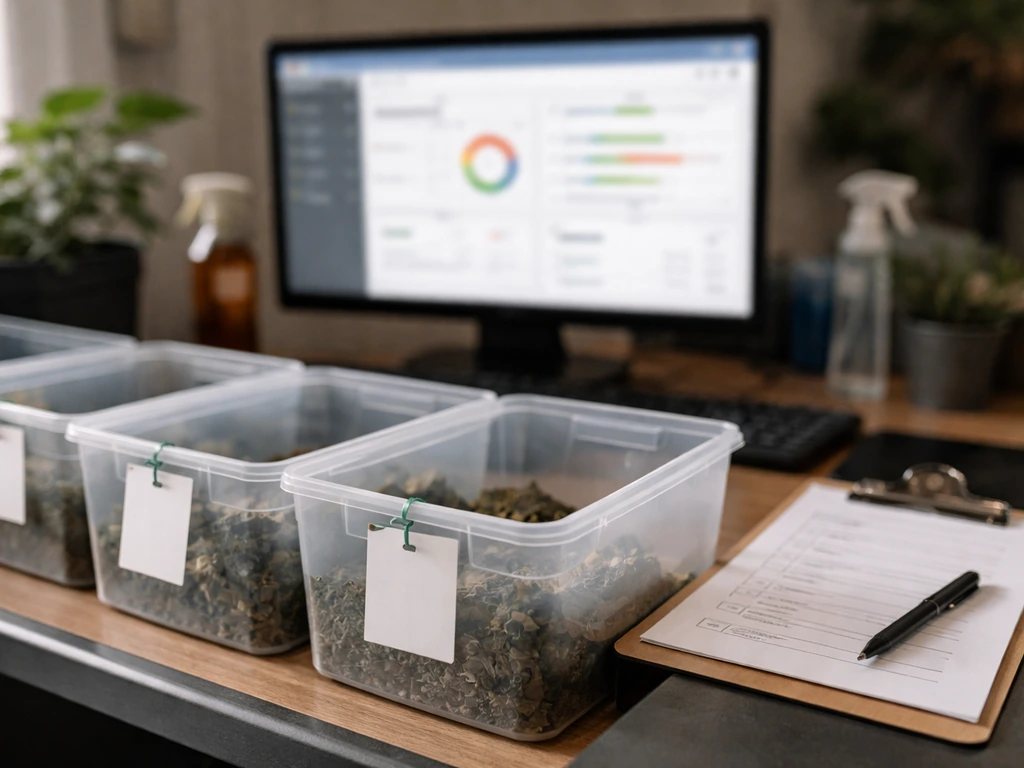
Nearly every state with commercial cultivation licensing requires you to track every plant from the moment it's in your system through to sale or disposal. The most widely used system is Metrc, which records plant actions, inventory movements, and transfers. New York moved all existing inventory into Metrc as its system of record after January 2026. Montana requires licensed providers to use Metrc for all regulated movement. If your state uses Metrc (or another state-mandated system), you'll need to log every plant action, every harvest, and every disposal event. This is non-negotiable and it's where compliance violations most commonly happen.
Security requirements
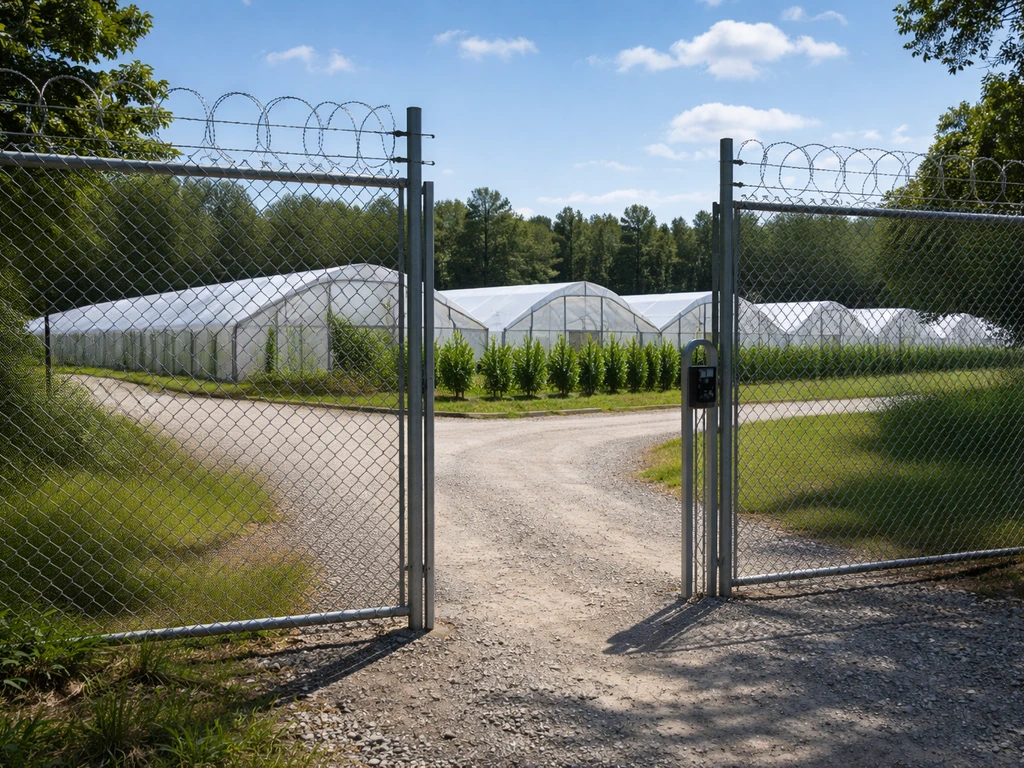
Most states require a functioning security alarm system on all exterior doors and windows, video surveillance covering key areas of the grow space, and in some cases, on-site or remote monitoring. Washington specifically requires a security alarm on all exterior doors and windows as part of premises requirements. Your security plan submitted during the application needs to match what's actually installed when inspectors show up.
Location restrictions and buffer zones
Your license is tied to your physical location, and that location has to stay compliant. Washington prohibits issuing a cannabis license to any location within 1,000 feet of an elementary or secondary school, playground, recreation center, childcare center, public park, public transit center, library, or game arcade that admits minors. Similar buffer zone rules exist in most states. If a new sensitive use opens near your licensed grow, you may face a compliance issue even if you were there first.
Staying within your licensed plant or canopy limit
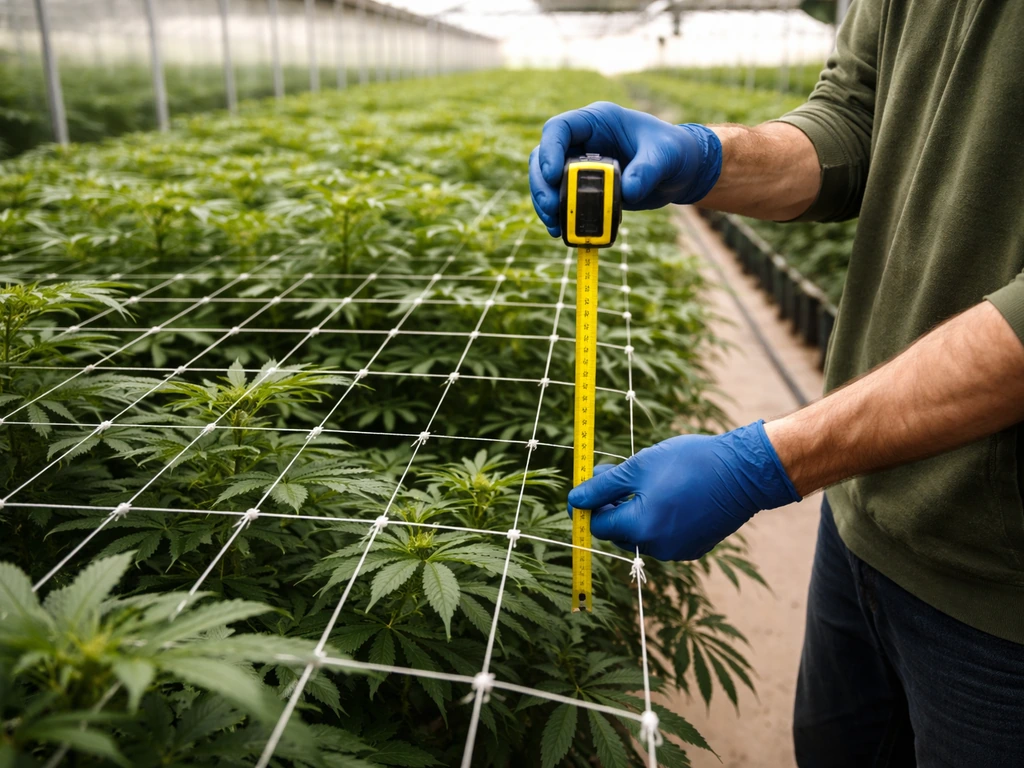
This is the most operationally critical compliance point. In canopy-based states like Washington, you cannot exceed the square footage of canopy your license tier authorizes, regardless of how many individual plants that represents. In plant-count states, every plant has to be in your tracking system and within your licensed limit. Washington's rules also include a consequence in the other direction: if you don't use enough of your licensed canopy space within the first year of operation, the LCB can reduce your tier.
Recordkeeping, reporting, and waste disposal
- Maintain accurate plant and inventory records in the state-mandated tracking system at all times
- Report any significant events (theft, loss, diversion) to the state regulatory agency promptly
- Follow state rules for disposing of cannabis waste, which typically requires rendering it unusable before disposal
- Keep your license current by renewing on time and notifying the agency of any changes to ownership, location, or business structure
Common blockers and how to work through them
Zoning denial or no local approval
This is the most common reason applications stall or fail. If your city or county doesn't allow cannabis cultivation in any zone, or if your specific property isn't in an approved zone, you won't be able to get a state license for that location regardless of how solid the rest of your application is. The solution is to either find a compliant location or engage in local zoning reform, which is a long-term effort. Some states (like Minnesota) have a process where the state agency can proceed if local government doesn't respond within 30 days, but that's a narrow exception and shouldn't be counted on. Check with local zoning before you sign a lease.
Landlord or HOA restrictions
Even if zoning allows it, your landlord or property owner has to be on board. Most states require proof of right to occupy the property as part of the licensing process, and some states require documented landlord consent specifically for cannabis cultivation. HOA restrictions can block a grow even on property you own if the HOA covenants prohibit it. Solve this before applying, not during. Talk to your landlord, get written consent, and review any HOA documents if applicable.
Prior convictions
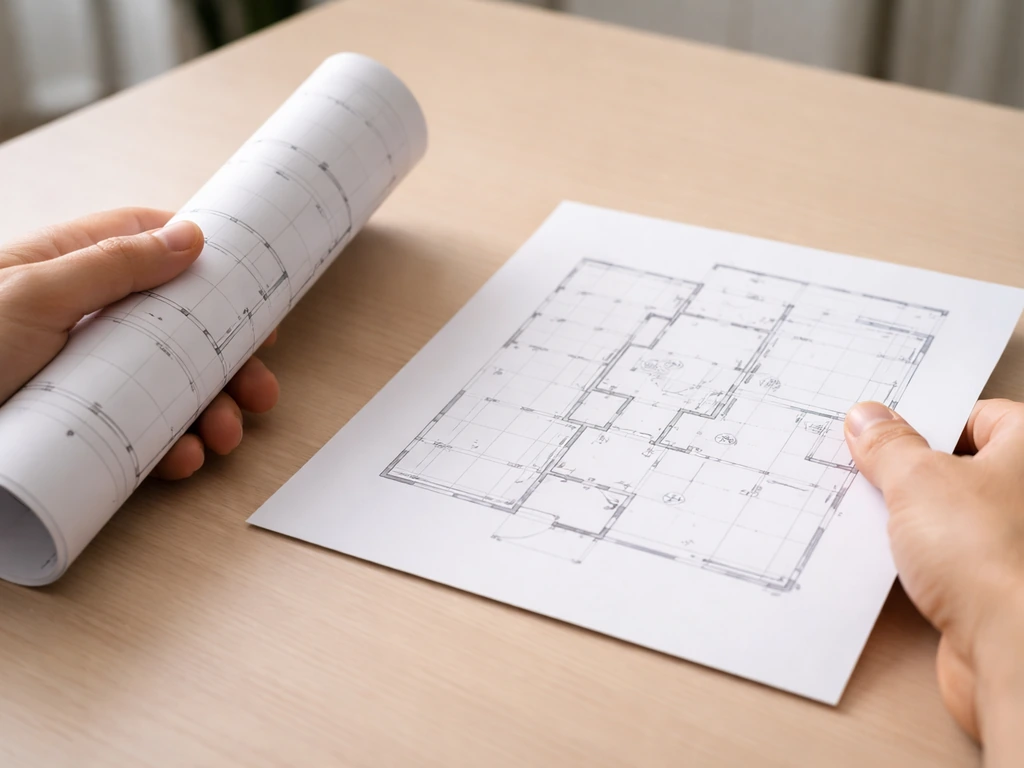
A prior conviction doesn't automatically disqualify you in most states, but certain conviction types, classes, and how recently they occurred can trigger a more detailed "threshold review" of your application. Washington's framework under WAC 314-55-040 looks at conviction type and class and applies time-based considerations. The best approach is to be upfront in your application, gather your criminal history records in advance, and if you have a conviction that might be an issue, consult with a cannabis attorney before submitting.
Incomplete or mismatched application documents
Applications get delayed most often because documents are missing, inconsistent, or don't match the physical site. Your floor plan needs to match your security plan. Your business entity documents need to list everyone with an ownership interest. Your operating plan needs to be realistic and match your license tier. Take the time to read the application instructions line by line and check your documents against the checklist before submitting.
What to do if 99 plants isn't reachable under your current license tier
If you've figured out that your preferred license type or tier doesn't allow 99 plants (or the canopy equivalent), you have a few legitimate options. The answer is never to grow more than your license allows and hope no one notices. That's a fast path to losing your license and facing criminal exposure.
Apply for a higher license tier
If your state uses tiered cultivation licenses, check whether the next tier up covers your target plant count or canopy size. Higher tiers typically come with higher fees and potentially more rigorous site requirements, but they're the straightforward path to a larger legal grow.
Apply for a tier expansion or change to your existing license
If you already hold a cultivation license at a lower tier and want to grow more, most states have a process for expanding your license. In Washington, changes to an existing cannabis license are handled through the LCB's online portal using a change application. This is typically easier than starting a new application from scratch, but it still requires agency review and approval before you expand.
Explore a different license type
Some states have specific license categories (like a craft cultivator, microbusiness, or nursery license) that might allow a different plant count or canopy structure than a standard cultivation license. It's worth mapping out every license type your state offers and comparing the plant or canopy limits side by side before assuming you know which one fits.
Consider multiple licensed locations (with caution)
In some states, you can hold multiple cultivation licenses, which could theoretically add up to a larger total plant count across sites. But this is a complex path. Each location needs its own application, zoning approval, and compliance footprint. Some states cap how many licenses one person or entity can hold. Don't assume this is a simple workaround without researching your state's specific rules on license stacking.
If you're in California and trying to scale your legal plant count, it's worth noting that California's dual-licensing structure (state plus local) makes the local piece just as important as the state license tier. California requires both a state cultivation license and local approval, so you’ll need to follow the steps for legally increasing your plant count beyond the usual household limits California's dual-licensing structure. Readers dealing with California's specific plant-count rules around home growing and the threshold between home grows and commercial licenses may find it useful to look closely at what it takes to legally grow beyond California's standard household limits.
Your next steps right now
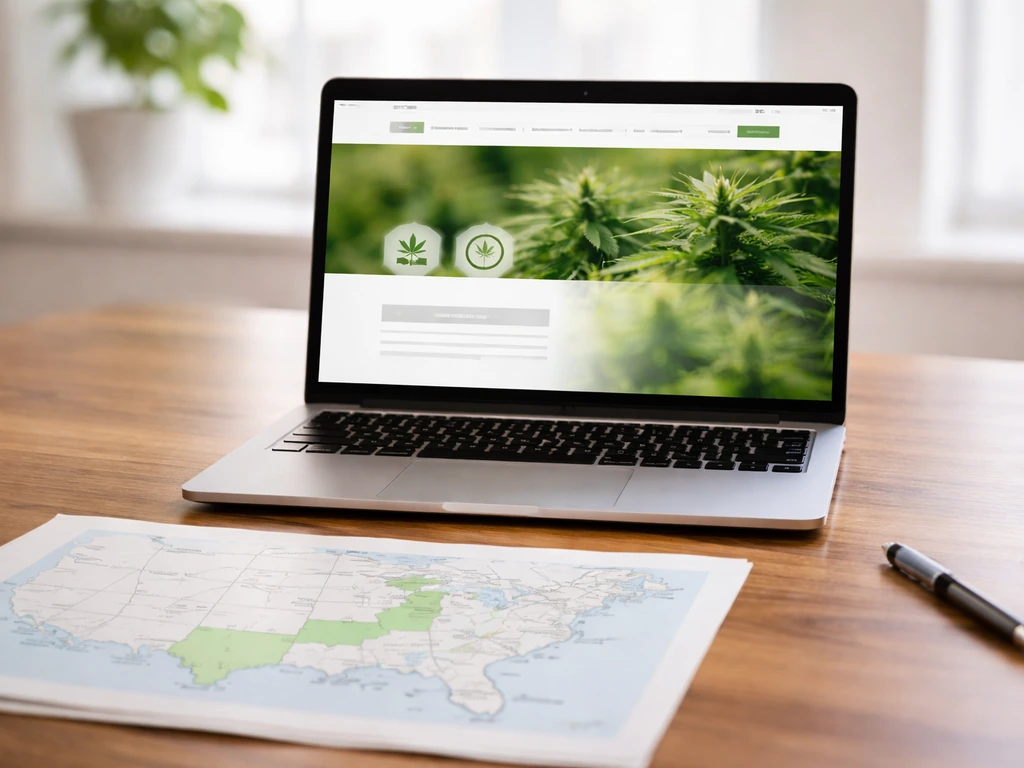
The single most useful thing you can do today is identify your state's cannabis regulatory agency and find their cultivation license page. Every state that allows commercial cannabis cultivation has published license types, plant or canopy limits, eligibility requirements, and application instructions. Read those materials for your specific state before doing anything else.
- Find your state cannabis regulatory agency's website and locate the cultivation licensing section
- Confirm whether your state regulates by plant count, canopy square footage, or both
- Identify which license tier covers your target grow size
- Check your county and city for local cannabis cultivation ordinances or opt-out status
- Contact your local planning or zoning department to confirm your proposed site is in a compliant zone
- Talk to your landlord or property owner and get written consent if required
- Pull your own criminal history records and review your state's background check criteria
- Gather your documents (ID, residency proof, business entity docs, site plan, security plan) before starting the online application
- If anything is unclear about eligibility or disqualifiers, consult a cannabis attorney in your state before submitting
The regulatory landscape for cannabis cultivation is genuinely complicated and it changes. State agencies update their rules, local governments change their ordinances, and license tier structures get revised. Whatever you read here is a starting point for understanding the process, but always verify current rules directly with your state agency before making any decisions about your grow operation.
FAQ
If I can’t reach 99 plants at one site, can I split them across multiple properties to stay legal?
Yes. Even within the same state, many rules are applied at the level of each physical site (license is tied to address), so you cannot usually “combine” limits across multiple properties under one cap. If you plan to split 99 plants across two locations, check whether your state treats that as separate licensed premises and whether you need separate security, tracking, and local zoning approvals for each address.
Does every state count clones and seedlings the same way when calculating a plant limit?
Many states count “plants” differently depending on whether they are in-system versus harvested, and whether they are clones, seedlings, or transplants. A common compliance mistake is planning capacity based on your intended final harvest count, then realizing the state counts rooted clones from the moment they meet the definition. Verify the exact counting point in your state’s rules (rooted, transplanted, measured, or entered into the tracking system).
Can I temporarily exceed the limit while waiting for approvals, replacements, or harvest timing?
Usually, no. In most regulatory frameworks, you cannot exceed your authorized limit and remain compliant even briefly. Some states allow temporary overages only under narrowly defined circumstances, such as disaster recovery or specific regulator-approved events. The safer approach is to design your canopy or plant plan so you are under the cap and have an allowance for replacements, failed plants, and staggered starts.
If I change my grow layout later, do I need to reapply or file a change application to stay under my 99-plant (or canopy) limits?
Check both: (1) whether your license tier’s limit is based on canopy area or plant count, and (2) whether your state allows any method to “move” production space within the same premises. Even if you stay under the canopy limit, changing how the canopy is laid out, where lights and production tables are, or adding grow rooms may require a change application or an updated security/plan submission before inspectors approve the new configuration.
What plant-tracking events do I absolutely have to log to avoid compliance issues (especially if I’m close to the limit)?
If your state uses a tracking system like Metrc, you generally must record every lifecycle event that affects inventory and compliance, including entering plants into the system, transfers between rooms, harvests, and disposal or sale. A frequent mistake is tracking only saleable biomass and skipping the intermediate steps, which can create audit mismatches and trigger enforcement even if your final numbers were within the cap.
Do I need building permits too, and could they delay my cannabis license or ability to start growing?
Building permits and cannabis licenses are different approval streams. You might be able to receive a cannabis license before construction is fully complete in some states, but you still need local building, electrical, fire, and occupancy approvals to legally operate. If your electrical upgrades or ventilation are required for the grow scale you’re proposing, plan for inspections that must pass before you can start operations.
What happens if a school, park, or other “sensitive use” opens near my licensed grow after approval?
Buffers can change over time. Even if you were compliant when you applied, a newly opened sensitive use near your site (or a reclassification of what counts as a sensitive location) can create a problem. Some states also treat “sensitive” areas differently (for example, what qualifies as a playground or childcare center). Confirm current sensitive-use definitions and calculate distances using the method your regulator specifies.
If my county allows cultivation generally, can I still fail licensing due to the specific parcel or zoning overlay?
Yes. Some states and localities restrict cannabis cultivation in specific zoning districts or by performance standards (odor control, hours of operation, lighting, parking, waste handling). Even if your zoning district is cannabis-allowing in general, a particular parcel might be excluded due to overlay zones, setbacks, or land-use restrictions. Ask for the exact zoning approval letter or determination required for licensing, and get it before signing a long lease.
If my ownership or business officers change while my application is pending, what should I do to stay compliant?
License applications often require that ownership and management details match the entity documents you submit. If you add or remove owners, change officers, or bring in new investors after filing, some states require notice or even a formal change submission, otherwise the agency can reject the application or later flag the license for noncompliance. Keep entity structure stable during the application review period or ask the regulator how they want updates handled.
In states that allow caregiver cultivation, how do registration and recordkeeping affect the ability to reach around 99 plants?
If your state allows caregiver cultivation, the patient registration and recordkeeping requirements can function like an additional compliance layer. A common edge case is assuming patient limits are only about numbers, when in practice regulators focus on whether patients are properly registered, whether the caregiver’s role is documented, and whether you keep required records for each patient served. Before counting on caregiver pathways for “around 99,” confirm your state’s caregiver definitions and documentation requirements.
How to Get a Micro Grow License in Canada: Step-by-Step
Step-by-step on getting a Canadian micro-cultivation cannabis licence, eligibility, costs, timelines, and compliance bas