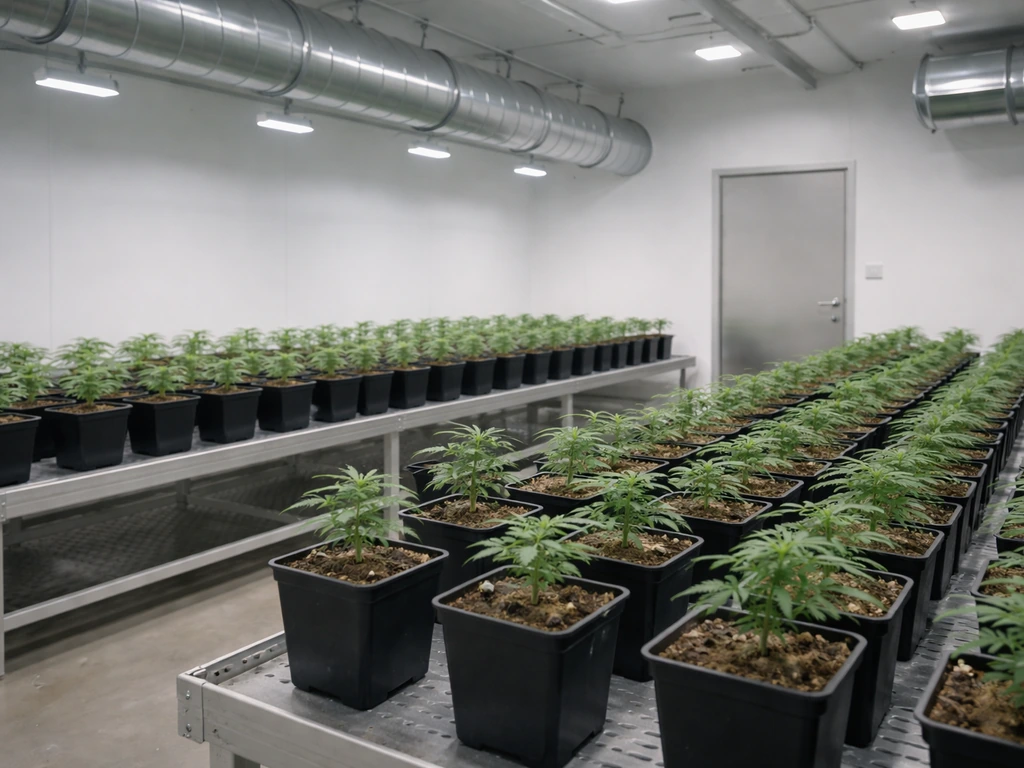
As of April 2026, cannabis cultivation is legal under state law in a growing number of US states, but it remains federally prohibited under the Controlled Substances Act regardless of what your state allows. That gap between federal and state law is the first thing you need to understand before you plant a single seed. This guide will walk you through exactly how to figure out whether you can legally grow where you live, what pathway applies to you (home grow, medical, or adult-use commercial), and what you need to do to stay compliant. This is informational only and not legal advice. Regulations change constantly, so always verify current rules with your state regulator before acting.
Legal Grow States Guide: Is Home Cannabis Cultivation Allowed?

Marcus Whitley
9 Apr 2026
How to figure out which rules actually apply to you
The single most important thing to nail down is your jurisdiction: which state you live in, whether your county or city has its own overlay rules, and which legal pathway covers your situation. These three layers control everything else.
Start with your state. Not every state that has legalized adult-use cannabis actually allows home cultivation. Washington State is the clearest example of this: the Washington State Liquor and Cannabis Board has publicly confirmed that recreational users do not currently have a legal home-grow pathway, and the board even held a public hearing on whether to create one. So "legal grow state" does not automatically mean "you can grow at home."
Next, identify your pathway. There are three basic ones: (1) unlicensed personal home cultivation for adults, usually limited to a small number of plants; (2) medical patient cultivation, which may allow more plants but requires registration or a card; and (3) licensed commercial or adult-use commercial cultivation, which requires a state-issued license and is a completely different process. Which one applies to you depends on your state, your age, whether you hold a medical card, and in some states, whether you are trying to grow for personal use only or for sale.
Finally, check your local jurisdiction. Even in states that permit home cultivation, cities and counties can restrict or ban it. Colorado is a good example: the state allows six plants per resident, but Denver has its own local rules that cap the total number of plants per household. Always check both state law and local ordinances before you start.
State-by-state: home, medical, and adult-use grow rules
Below is a practical breakdown of the major legal states and what each allows as of early 2026. This is not exhaustive of all 50 states, but it covers the most-asked-about markets. Regulations shift, so treat this as a starting framework, not a final answer.
Colorado
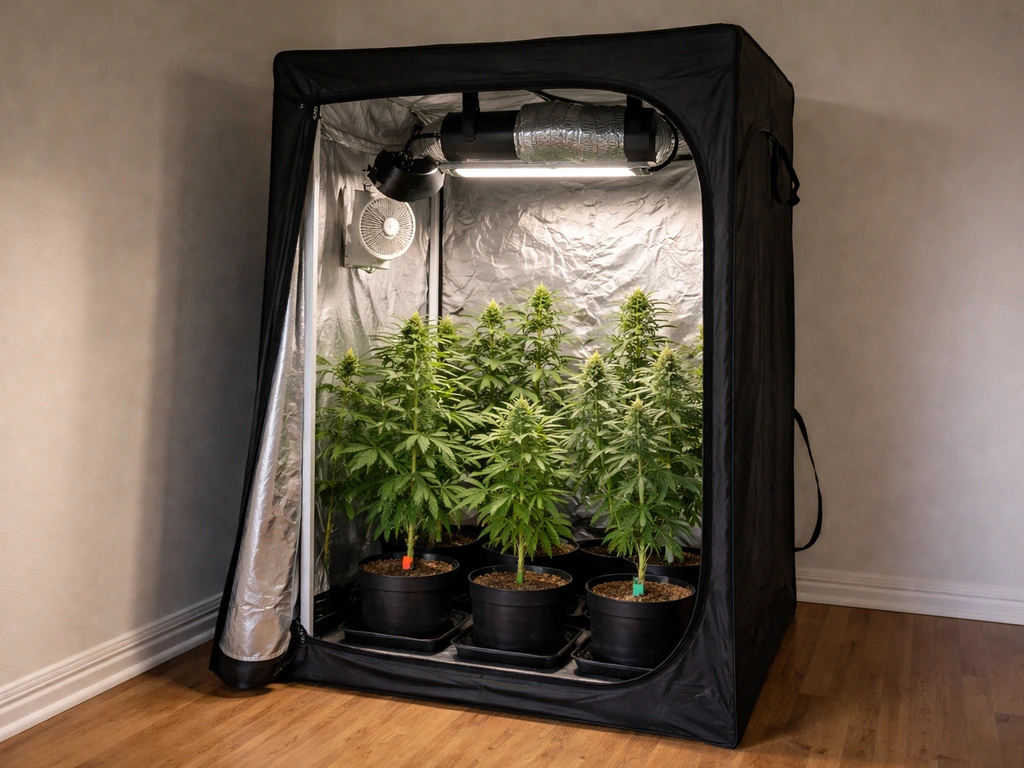
Colorado allows adults 21 and older to grow cannabis at home for personal use. The state cap is six plants per resident, with no more than three plants flowering at one time. If multiple adults share a home, the household can aggregate, but local rules can override this. Denver, for instance, imposes its own household-level cap. <a data-article-id="UNKNOWN-CO">Colorado's home cultivation rules</a> are among the most established in the country, but you still need to check your city or county before growing.
Massachusetts
Massachusetts permits adults 21 and older to cultivate cannabis at home under guidance from the Cannabis Control Commission. The Commission's framework distinguishes between mature and immature plants, and violations can result in fines and forfeiture. The Commission's <a data-article-id="UNKNOWN-MA-FAQ">home cultivation FAQ</a> provides the specific definitions you need, including height and flowering criteria that determine whether a plant counts as mature or immature for compliance purposes.
Oregon
Oregon has both an adult-use and a medical cultivation framework. For medical patients, the limits are tied to plant maturity and grow-site address. A patient at a residential grow site can have up to 6 mature plants and 12 immature plants, with larger limits available at designated (non-residential) grow sites. Oregon's <a data-article-id="UNKNOWN-OR">medical marijuana plant-limit chart</a> is one of the most detailed in the country, and it explicitly distinguishes between mature, immature, and seedling-stage plants, so understanding those definitions is critical before you count your canopy.
New York
New York's Marijuana Regulation and Taxation Act (MRTA) allows adults 21 and older to grow up to six plants at home for personal use. For New York in particular, the Office of Cannabis Management publishes a dedicated blank" rel="noopener noreferrer">adult-use home cultivation FAQ PDF that explains who may cultivate and the plant-count approach, including mature and immature limits. For the adult-use home-grow plant limits in New York, see the Office of Cannabis Management’s adult-use guidance, which allows New Yorkers 21+ to grow up to six plants for personal use (3 mature and 3 immature) and up to 12 plants per household (6 mature and 6 immature), even with multiple adults 21+ in the residence blank" rel="noopener noreferrer">adult-use home grow plant limits in New York. For medical patients in a shared household, the rules are slightly different: no more than six mature and six immature plants can be grown per household, and this is tied to certified medical cannabis patient status. New York's <a data-article-id="UNKNOWN-NY">home cultivation protections</a> are relatively straightforward for personal grows, but commercial cultivation requires a separate licensing process through the Office of Cannabis Management.
Washington
Washington is the notable exception among major adult-use states: there is currently no legal adult-use home cultivation pathway. Legislative proposals, including HB 1614, have outlined what a personal home-grow framework could look like, but as of April 2026 recreational home growing remains unauthorized. If you are in Washington and want to grow, you currently need a commercial license through the WSLCB.
New Jersey
New Jersey does not allow home cultivation for general adult-use. The NJ Cannabis Regulatory Commission has confirmed that current law does not give it the authority to authorize private residential growing outside of commercial business licenses. This is a common point of confusion for New Jersey residents who assume adult-use legalization includes a home-grow right.
| State | Adult-Use Home Grow? | Plant Limit (Personal) | Medical Home Grow? | License Required for Home Grow? |
|---|---|---|---|---|
| Colorado | Yes (21+) | 6 plants/resident, 3 flowering max | Yes | No |
| Massachusetts | Yes (21+) | Up to 6 mature plants | Yes | No |
| Oregon | Yes (21+) | 4 plants per household | Yes, with card | No (registration for medical) |
| New York | Yes (21+) | 6 plants per person | Yes, with certification | No |
| Washington | No | Not permitted (adult-use) | Limited | Yes (commercial only) |
| New Jersey | No | Not permitted | No | Yes (commercial only) |
License types, eligibility, plant limits, and how states measure canopy
If you are pursuing a commercial cultivation license rather than a personal home grow, the requirements are significantly more involved. Most states separate licenses by scale (micro, standard, large), type (indoor, outdoor, mixed-light), and sometimes by market segment (medical vs adult-use). Here is what you typically need to know.
Eligibility basics
Most states require applicants to be at least 21 years old and a state resident, though residency requirements vary. Some states allow non-residents to hold licenses, especially after legal challenges. Prior criminal convictions can affect eligibility, though many states have reformed their disqualification rules around cannabis-related offenses specifically. Washington's WSLCB, for instance, requires applicants to submit a Personal Criminal History form with fingerprints as part of the license application process, which shows how seriously states treat the background-check component.
Plant limits and canopy measurement
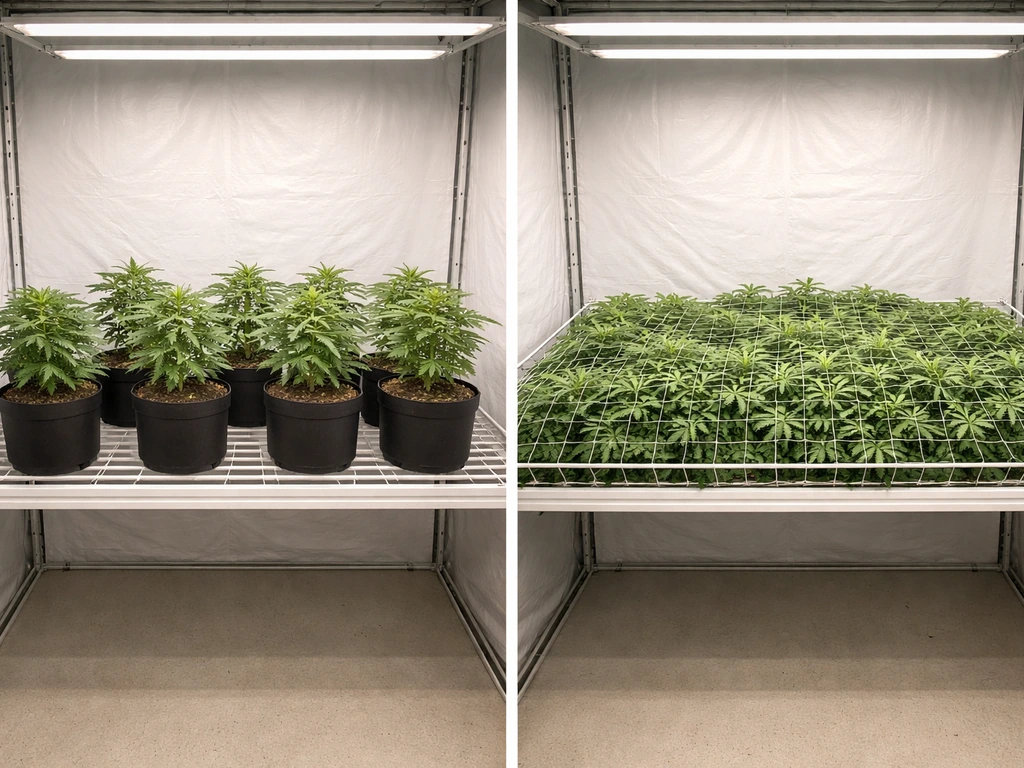
Plant limits and canopy caps are not the same thing, and mixing them up is one of the most common compliance mistakes. Some states count individual plants at a specific maturity stage. Oregon's medical program, for example, counts mature and immature plants separately, and the caps differ depending on whether the grow site is a patient's residence or a designated location. Other states measure canopy, which is the total square footage of the growing area, rather than individual plant counts. Indoor and outdoor canopy is often measured differently, and some states exclude vegetative areas from the canopy calculation while others include them. Always read your state's specific definition before setting up your grow.
License tiers (typical structure)
- Micro/craft cultivation: small canopy (often under 5,000 sq ft indoor or under 1/2 acre outdoor), lower fees, sometimes simplified application
- Standard cultivation: medium-scale operations with full compliance requirements
- Large/wholesale cultivation: highest canopy limits, highest fees, often subject to additional regulatory scrutiny
- Nursery license: often a separate category for businesses growing only clones, seeds, or immature plants for sale to other licensees
- Medical-only cultivation: some states maintain separate license tracks for medical supply, with different product testing or labeling requirements
The application process: documents, fees, timelines, and local approvals
Getting a commercial cultivation license is a multi-step process that varies significantly by state, but the core components are consistent enough that you can prepare for them no matter where you are applying.
What you will typically need to submit
- Business entity documentation (articles of incorporation, operating agreement, ownership disclosure)
- Personal criminal history forms and fingerprints for all owners and key personnel (required in states like Washington)
- Proof of residency or citizenship where required
- Facility/premises documentation (lease or deed, site plan, floor plan, zoning verification)
- Security plan (camera placement, alarm systems, access controls)
- Cultivation plan (plant tracking methodology, pesticide use plan, waste disposal procedures)
- Financial documentation (proof of capitalization, source of funds)
- Local approval documentation (municipal zoning clearance, local permits)
Fees and timelines
Application fees range from a few hundred dollars for small home-grow registrations (in states that require them for medical patients) to tens of thousands of dollars for large commercial cultivation licenses. Many states charge a non-refundable application fee plus a separate annual license fee. Processing timelines also vary widely: some states process applications in 30 to 60 days, while others have backlogs that push timelines to six months or longer. Budget for the longer end, especially in newer markets.
Local approvals: the step most people miss
Even after a state approves your application in principle, most states require you to obtain local zoning approval before a license is issued or before you can begin operations. Some cities and counties have opted out of commercial cannabis entirely, meaning no state license will be valid within their jurisdiction. Check local zoning codes and talk to your city or county planning department before you invest in a facility. This step has derailed more applications than almost any other part of the process.
Staying compliant once you are licensed
Getting a license is only the beginning. Ongoing compliance is where many cultivators run into trouble, especially in the first year of operations. Here are the core requirements you need to have systems in place for on day one.
Security requirements
Nearly every state requires commercial cultivators to maintain a video surveillance system with cameras covering all cultivation areas, entry and exit points, and storage areas. Footage retention periods typically range from 30 to 90 days. Access controls (keyed entry, badge systems, or PIN codes) are also standard, and most states require you to limit access to the grow area to licensed employees and approved visitors. Maintaining a visitor log is a common requirement.
Seed-to-sale tracking and inventory
Most legal states require cultivators to use a state-mandated or state-approved seed-to-sale tracking system. Metrc is the most widely used platform, operating in Colorado, Oregon, Massachusetts, and many other states. Every plant in your canopy needs a tag, every harvest needs a batch record, and every transfer off the premises needs to be logged in the system before the product moves. Gaps in your Metrc records are one of the most common reasons cultivators receive compliance violations during inspections.
Recordkeeping
Beyond the tracking system, states require you to maintain written records including employee logs, pesticide application records, waste disposal manifests, and water usage records in some jurisdictions. Many states require you to retain these records for two to five years and make them available for inspection on request.
Testing requirements
Commercial cannabis in legal states must be tested by a licensed third-party laboratory before it can be transferred to a processor or retailer. Testing panels typically include potency (THC and CBD percentages), pesticide residues, heavy metals, microbials, and moisture content. Batches that fail testing cannot be sold and must either be remediated (if allowed) or destroyed as waste. Testing timelines add days to your production cycle, so factor this into your harvest schedule.
Waste disposal
Cannabis waste cannot simply go in the trash. Most states require you to render plant waste unusable and unrecognizable (commonly by mixing it with a non-cannabis material like soil or compost) before disposal, and the disposal must be logged and witnessed or documented. Some states allow on-site composting; others require a licensed waste hauler. Check your state's specific waste disposal regulations, because this is an inspection trigger.
Inspections
State regulators can and do conduct unannounced inspections of licensed cultivation facilities. The most common inspection focuses on whether your plant counts match your tracking records, whether your security systems are operational, and whether your waste logs are current. Being inspection-ready on any given day is the standard you need to hold yourself to, not just on scheduled review dates.
The federal layer you cannot ignore
Even if you are fully compliant under your state's law, cannabis cultivation remains a federal crime under the Controlled Substances Act, which classifies cannabis as a Schedule I substance. The DEA has initiated rulemaking to reschedule cannabis to Schedule III, but that process is ongoing and would not automatically legalize cultivation even if completed. The 2018 DOJ memo made clear there is no guaranteed federal non-enforcement policy, and the absence of a safe harbor means federal prosecution remains a legal risk, however rare in practice for state-compliant operators.
This federal status also creates practical problems beyond law enforcement. Financial institutions serving cannabis businesses face Bank Secrecy Act obligations and are generally required to file Suspicious Activity Reports, which is why many cannabis cultivators still struggle to access banking and credit services. Understanding this landscape matters if you are thinking about financing your grow operation.
How to verify current rules and find official sources
Cannabis regulations change more frequently than almost any other industry. A plant limit that was accurate six months ago may have been updated by emergency rulemaking last month. Here is how to make sure you are working from current information.
Go to the official state regulator first
Every legal state has a designated cannabis regulatory agency. These agencies publish their rules, application requirements, and guidance documents on their official websites. Bookmark the agency's page for your state and check it regularly. Key agencies include: Colorado's Marijuana Enforcement Division (cannabis.colorado.gov), the Massachusetts Cannabis Control Commission (masscannabiscontrol.com), Oregon's Oregon Health Authority and Oregon Liquor and Cannabis Commission, New York's Office of Cannabis Management (cannabis.ny.gov), Washington's Liquor and Cannabis Board (lcb.wa.gov), and New Jersey's Cannabis Regulatory Commission (nj.gov/cannabis).
Use this site's state pages as a starting reference
This site aggregates state-by-state cultivation requirements into structured guides so you can quickly get oriented before you dig into official sources. For example, if you want a fast breakdown of <a data-article-id="UNKNOWN-WASH-LIC">Washington's cannabis licensing requirements and restrictions</a>, or need to understand how Oregon structures its medical grow-site designations, the state pages here are a practical first stop. Use them to get up to speed, then confirm the specifics with the official regulator before making any decisions.
Sign up for regulatory updates
Most state cannabis agencies offer email newsletters or rulemaking notification lists. Signing up for these is the fastest way to catch changes before they affect your compliance status. Oregon's OLCC and Massachusetts' CCC both maintain active communication channels for licensees and applicants.
Your next steps checklist
- Confirm your state: identify whether your state allows cannabis cultivation at all, and under which pathway (adult-use home, medical, or commercial licensed only)
- Check your local jurisdiction: look up your city or county's cannabis ordinance to confirm they have not opted out or imposed stricter limits than the state
- Identify your pathway: decide whether you are pursuing personal home cultivation, medical patient cultivation, or a commercial license, and confirm your eligibility for that pathway
- Review plant limits and measurement rules: read your state regulator's official guidance on how plants are counted, how canopy is measured, and whether mature/immature distinctions apply
- For commercial licenses: gather your business documents, prepare your security and cultivation plans, verify your facility's zoning status, and confirm local approval requirements before submitting
- Set up compliance systems: inventory tracking (Metrc or your state's system), security equipment, and recordkeeping templates before you start growing
- Verify testing requirements: identify which lab tests are required, find a licensed testing lab near you, and factor testing turnaround time into your production schedule
- Bookmark your state regulator's website and sign up for rulemaking notifications to stay current as rules change
- Consult a licensed cannabis attorney if you are pursuing a commercial license or if anything in your situation is legally complex
The bottom line is that "legal grow states" is a useful shorthand, but the real answer to whether you can grow legally, and how, lives in the specific rules of your state and local jurisdiction. Use this guide to orient yourself, then go verify the current rules directly with your state regulator before you plant anything.
FAQ
If my state allows home cannabis, what actions can still make my grow illegal?
In most places, “allowed under state law” only covers growing that stays within the specific legal pathway you qualify for. If you exceed your pathway’s plant or canopy limits, grow for sale without the right license, or sell or transfer product without authorization, you can be in violation even if you live in a state that is generally a legal grow state.
Do plant limits apply per person, per household, or per address in legal grow states?
Even in states that permit home cultivation, you should expect additional limits tied to your household. Many states treat different living arrangements separately (for example, individual dwelling units versus shared households), and some localities aggregate counts differently than the state. Confirm how your state defines “household” or “residential address” before you calculate plant limits.
Can I use medical grow rules if I cultivate at a different location than my registered address?
Medical authorization does not automatically let you use the medical pathway limits at any location. Some states tie higher limits to a registered grow site (often your residence or an approved address) and require matching the patient’s certification information to that site. If you grow at a different address or add an unapproved location, you may lose protection.
Do legal grow states ever require registration or reporting for home cultivation?
Some states allow personal grows but still require registration or updated reporting to the regulator, even without a full commercial license. If your state requires registration, you generally must keep your information current (address changes, number of plants grown, and in some cases cultivation start dates). Check whether your state uses a registration, self-attestation, or notification approach for home growers.
If it is legal under state law, can I still get in trouble through a lease or insurance terms?
State law may allow home growing, but insurance, landlord consent, and workplace restrictions can still affect you. If you rent, many leases prohibit cultivation or require written permission, and violating lease terms can lead to eviction even if your state permits growing. Treat it as a separate risk outside cannabis statutes.
How do legal grow states define whether a plant counts toward the limit?
“Countable” plants often depend on maturity definitions, not just what you call a plant. For compliance, regulators may distinguish seedlings, immature plants, and mature plants, and some programs use time since a certain growth stage or flowering criteria. Miscounting stage is one of the easiest ways to exceed the legal cap, so align your counts to the regulator’s definitions.
What is the difference between plant-limit rules and canopy-limit rules, and which should I plan around?
Canopy rules can change how you design your grow. If your state uses square footage (canopy) instead of plant counts, training methods, spacing, and whether vegetative areas are included can affect compliance. Measure and document your intended canopy using the state’s definition, not a generic “grow area” idea.
When does seed-to-sale tracking need to start for a new commercial cultivation license holder?
For commercial operators, tracking is usually required from the moment plants enter the system, but the “first step” details vary. In many states you must set up your account, complete tagging, and ensure every transfer is recorded before moving product off-site. Delays or mistakes in initial tagging are common inspection triggers early in operations.
If my batch fails third-party testing, can I fix it or does it have to be destroyed?
Some states allow remediation routes for failed test results (like rework), but others require destruction for certain failure categories. The key distinction is whether the failure is potency, pesticides, heavy metals, or microbial contamination, and what the state’s remediation rules allow for each. Ask your compliance lead and lab about the remediation policy before you schedule harvest releases.
How does federal prohibition in legal grow states impact banking and financing for cultivators?
Federal illegality can still affect practical issues like banking, credit, and shipping, even when your state is fully compliant. Many legal grow businesses must use cash-heavy operations because they cannot easily open accounts or obtain standard financing. If you are planning to build or expand, factor in cash flow and lender risk early.
What should I do day-to-day to be inspection-ready in legal grow states?
Inspections often focus on record accuracy, security coverage, and whether physical counts match the tracking system. If you keep surveillance footage, logs, and tracking entries current, you reduce “administrative” inspection failures that happen even when plants are healthy. Have someone assigned to daily reconciliation so issues show up before an inspector arrives.
Next Article
How to Get a Micro Grow License in Canada: Step-by-Step
Step-by-step on getting a Canadian micro-cultivation cannabis licence, eligibility, costs, timelines, and compliance bas